Pyrus pyrifolia var. culta
(Makino) Nakai
Asian pear, Chinese pear, Japanese pear, Nashi, Oriental pear, Sand pear, Nashpati, Berikai
gbif· cc-by-nc-sa
MBG
gbif· cc0
Botanical Research Institute of Texas
gbif· cc-by-nc
William & Mary
Summary
Source: WikipediaPyrus pyrifolia is a species of pear tree native to southern China and northern Indochina that has been introduced to Korea, Japan and other parts of the world. The tree's edible fruit is known by many names, including Asian pear, Persian pear, Japanese pear, Chinese pear, Korean pear, Taiwanese pear, apple pear, zodiac pear, three-halves pear, papple, naspati, bata kisbis, Fefeta grained pear and sand pear. Along with cultivars of P. × bretschneideri and Pyrus ussuriensis, the fruit is also called the nashi pear. Cultivars derived from Pyrus pyrifolia are grown throughout East Asia, and in other countries such Pakistan, Nepal, Australia, New Zealand, and America. Traditionally in East Asia the tree's flowers are a popular symbol of early spring, and it is a common sight in gardens and the countryside. The fruits are not generally baked in pies or made into jams because they have a high water content and a crisp, grainy texture, very different from the European varieties. They are commonly served raw and peeled. The fruit tends to be quite large and fragrant. When carefully wrapped, having a tendency to bruise because of its juiciness, it can last for several weeks (or more) in a cold, dry place.
Description
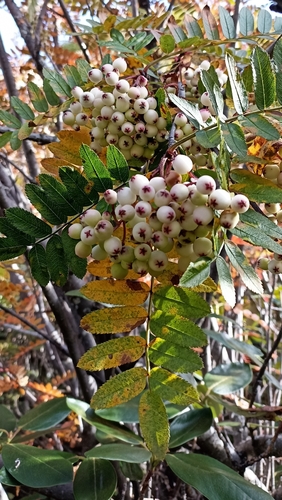
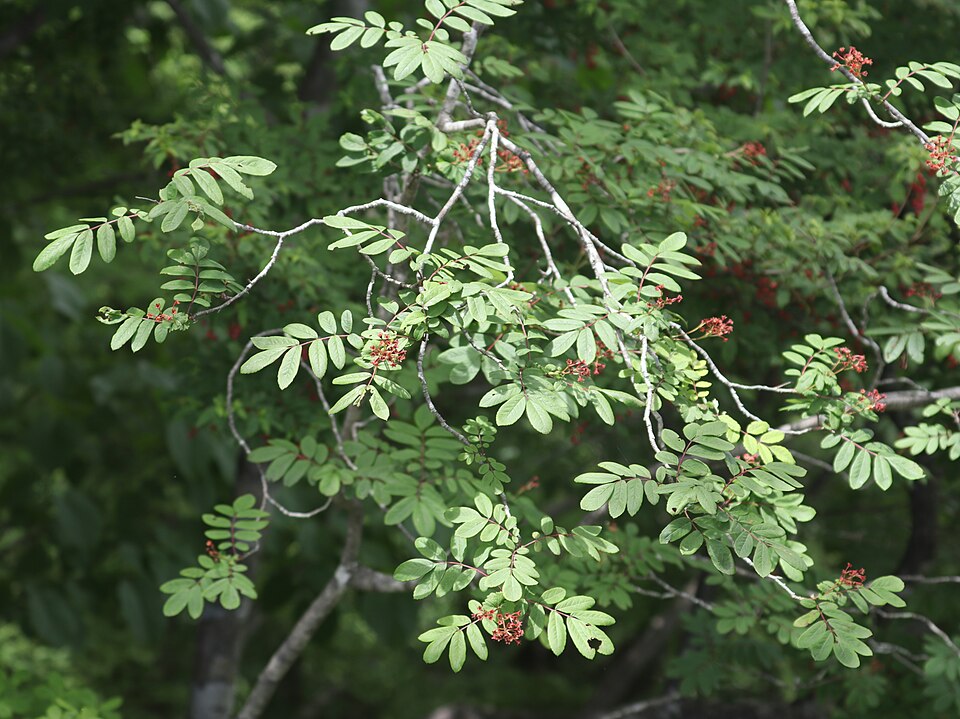
A tree. It grows 14 m tall. The branches have many spur shoots. The leaf blades are oval and 8-10 cm long. The flowers are white. The fruit are almost round. They are 5-8 cm across. The flesh is hard.
Edible Uses
The fruit are eaten, though they are somewhat hard and gritty.
Traditional Uses
The fruit are eaten. They are somewhat hard and gritty.
This uses section is brief — help expand it
Distribution
It is a subtropical plant.
Where It Grows
Asia, China, Hawaii, India, Japan, Korea, Pacific, USA,
Other Information
It is cultivated.
Synonyms
Also Known As
Baenamu
References (8)
- Ambasta S.P. (Ed.), 2000, The Useful Plants of India. CSIR India. p 507
- Arora, R. K., 2014, Diversity in Underutilized Plant Species - An Asia-Pacific Perspective. Bioversity International. p 84
- Bot. Mag. (Tokyo) 40:564. 1926
- Plants for a Future database, The Field, Penpol, Lostwithiel, Cornwall, PL22 0NG, UK. http://www.scs.leeds.ac.uk/pfaf/
- Song, M., et al, 2013, Traditional knowledge of wild edible plants in Jeju Island, Korea. Indian Journal of Traditional Knowledge. 12(2) pp 177-194
Show all 8 references Hide references
- Staples, G.W. and Herbst, D.R., 2005, A tropical Garden Flora. Bishop Museum Press, Honolulu, Hawaii. p 477
- USDA, ARS, National Genetic Resources Program. Germplasm Resources Information Network - (GRIN). [Online Database] National Germplasm Resources Laboratory, Beltsville, Maryland. Available: www.ars-grin.gov/cgi-bin/npgs/html/econ.pl (10 April 2000)
- Wiersema, J. H. & Leon, B., 2013, World Economic Plants. A Standard Reference CRC Press. 2nd Ed. p 575