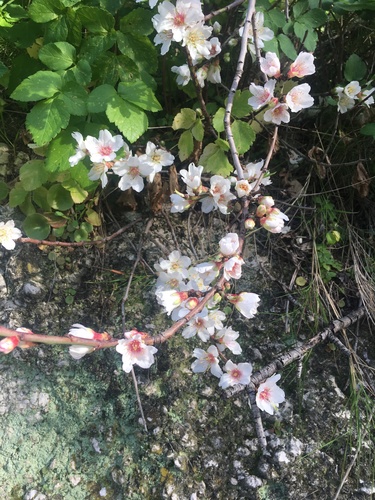
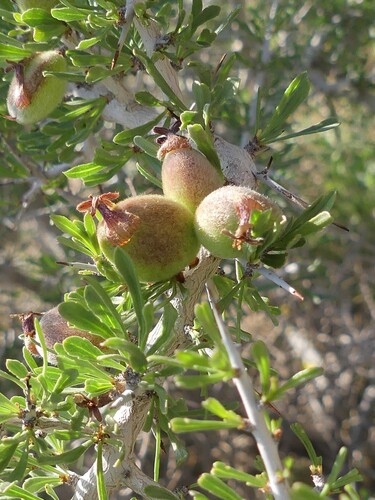
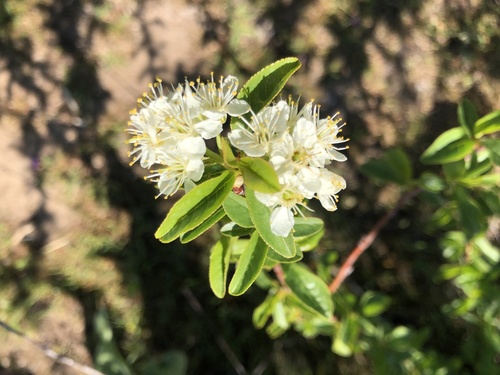
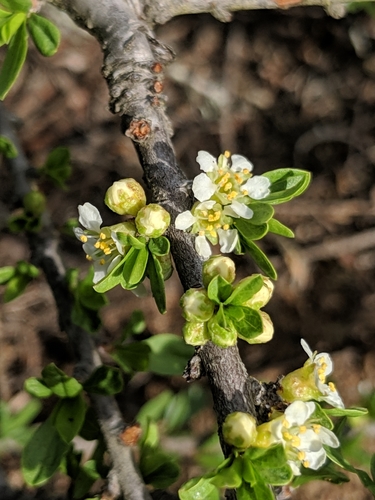
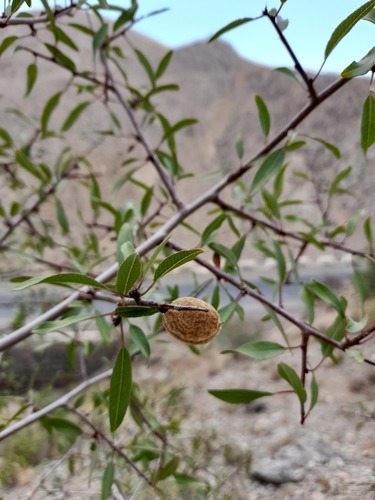
Eriobotrya japonica - (Thunb.)Lindl.
(Thunb.)Lindl.
Loquat, Japanese Loquat
gbif· cc-by-nc
Maxxum Fioriti
gbif· cc-by-nc
Maxxum Fioriti
gbif· cc-by-nc
actuallyalice
Description
Eriobotrya japonica is an evergreen Tree growing to 9 m (29ft) by 5 m (16ft) at a fast rate. See above for USDA hardiness. It is hardy to UK zone 7. It is in leaf all year, in flower from November to March, and the seeds ripen from April to June. The species is hermaphrodite (has both male and female organs) and is pollinated by Insects. The plant is self-fertile. It is noted for attracting wildlife. Suitable for: light (sandy), medium (loamy) and heavy (clay) soils and prefers well-drained soil. Suitable pH: mildly acid, neutral and basic (mildly alkaline) soils. It can grow in semi-shade (light woodland) or no shade. It prefers dry or moist soil. The plant can tolerate maritime exposure.
Edible Uses
Coffee. Fruit - raw, cooked or preserved. A slightly acid, sweet aromatic flavour, they can be eaten out of hand or cooked in pies, sauces, jellies etc. Loquat pie, if made from fruit that is not fully ripe, is said to taste like cherry pie. The fruit is produced in winter and early spring, it is up to 4cm in diameter. A nutritional analysis is available. Seed - cooked. A pleasant flavour. Caution is advised if the seed is bitter, see notes at top of the page. The roasted seed is a coffee substitute.
Medicinal Uses
Analgesic Antibacterial Antiemetic Antitussive Antiviral Astringent Diuretic Expectorant Sedative. The loquat is one of the most popular cough remedies in the Far East, it is the ingredient of many patent medicines. The leaves are analgesic, antibacterial, antiemetic, antitussive, antiviral, astringent, diuretic and expectorant[7, 116, 147, 176, 218, 279]. A decoction of the leaves or young shoots is used as an intestinal astringent and as a mouthwash in cases of thrush and also in the treatment of bronchitis, coughs, feverish colds etc. The leaves are harvested as required and can be used fresh or dried. The hairs should be removed from the leaves in order to prevent irritation of the throat. The flowers are expectorant. The fruit is slightly astringent, expectorant and sedative. It is used in allaying vomiting and thirst.
Known Hazards
The seed is slightly poisonous. This report probably refers to the hydrogen cyanide that is found in many plants of this family, the seed should only be used in small amounts if it is bitter. In small quantities, hydrogen cyanide has been shown to stimulate respiration and improve digestion, it is also claimed to be of benefit in the treatment of cancer. In excess, however, it can cause respiratory failure and even death.
Distribution
E. Asia - China, Japan.
Where It Grows
TEMPERATE ASIA: Honshu, Hubei Sheng, Japan, Kyushu, Shikoku, Sichuan Sheng,China.
Cultivation
Prefers a fertile well-drained soil in full sun or light shade. Succeeds in any well-drained soil but dislikes too much lime. Prefers to be near the coast, tolerating maritime exposure but dislikes cold winds. Tolerates dry soils. Succeeds in an open position in the milder areas of Britain but usually requires wall protection in most of this country. Plants are hardy to at least -5°c, and can survive to between -12 and -17°c but with some damage. Plants from different provenances differ widely in their hardiness, it is best to obtain stock as cuttings from plants that are established in this country. Trees usually only flower and produce fruit in Britain after a long hot summer, but a tree at Maidwell Hall in Northants fruits regularly. The main difficulty with producing a crop of fruit from this tree is that the plant flower in the winter and will not ripen fruit of a satisfactory standard if the winter is cold. Indeed, the fruit is rendered inedible by hard frosts in cold areas. Often cultivated for its edible fruit in warm temperate regions, there are more than 800 cultivars in Japan. 'Advance' is a dwarf tree with very juicy fruits. The flowers emit a most potent oriental perfume. In garden design, as well as the above-ground architecture of a plant, root structure considerations help in choosing plants that work together for their optimal soil requirements including nutrients and water. Fruits are typically harvested in late Spring to early Summer. It flowers in Autumn to early Winter. Loquat is a relatively fast-growing tree, often reaching maturity in 3-4 years under suitable conditions.
Propagation
Seed - best sown as soon as it is ripe in a cold fame in the spring. Pre-soak stored seed for 24 hours and sow late winter in a warm greenhouse. Germination usually takes place within 1 - 4 months at 20°c. When they are large enough to handle, prick the seedlings out into individual pots and grow them on in the greenhouse for at least their first winter. Plant them out into their permanent positions in late spring or early summer, after the last expected frosts. Cuttings of half-ripe wood with a heel, July/August in a frame. Cuttings of softwood, spring in a frame. Air layering.
Other Uses
Wood Agroforestry uses: Eriobotrya japonica can be used as a shade tree and is sometimes grown for erosion control. Its dense foliage provides cover for wildlife. Wood - hard, close-grained. Used for rulers, etc.