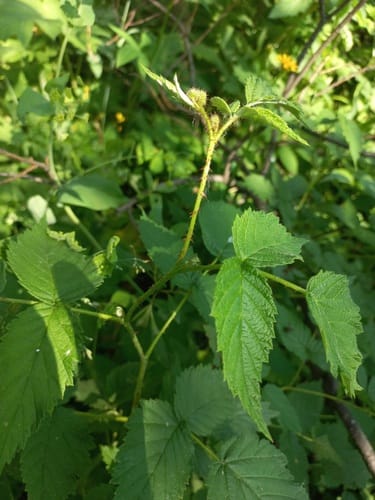
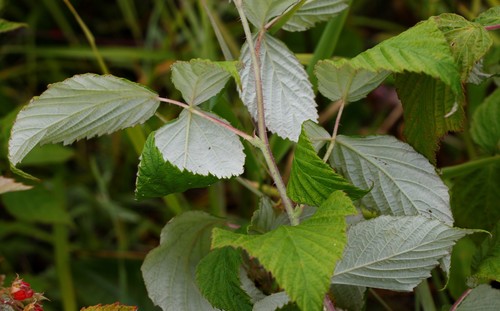
Filipendula camtschatica
(Pall.) Maxim.
Giant meadowsweet
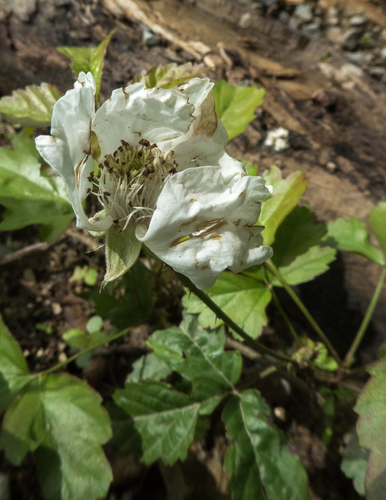
iNaturalist· cc-by-nc
(c) Boris Bolshakov, some rights reserved (CC BY-NC), uploaded by Boris Bolshakov
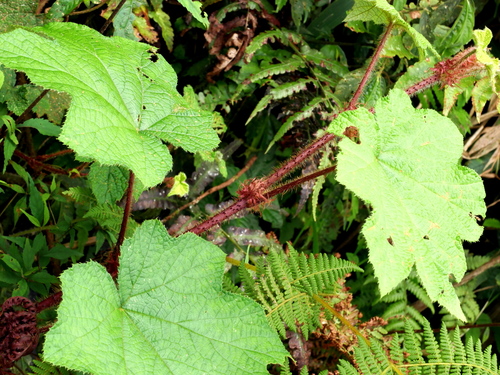
iNaturalist· cc-by-nc
(c) Владимир Бурый, some rights reserved (CC BY-NC), uploaded by Владимир Бурый
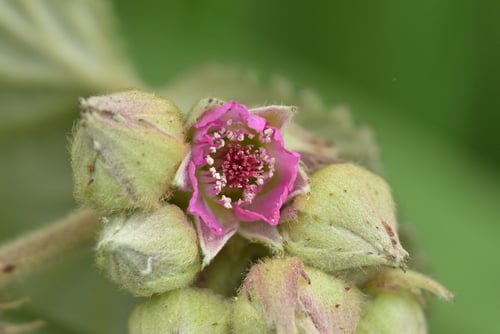
iNaturalist· cc-by-nc
(c) Peter Zika, some rights reserved (CC BY-NC)
Description
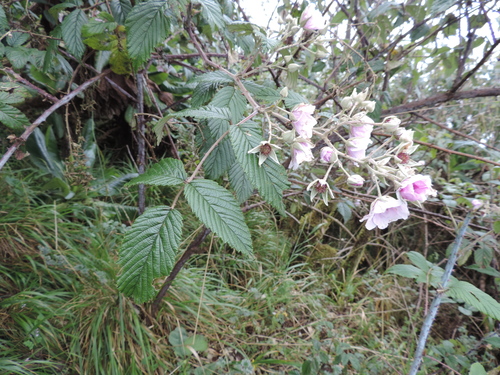
A clump forming plant which has tubers. It grows 1.2-3 m tall. It spreads 60 cm wide. The leaves are large and dark green and spreading. They are deeply divided and have deep teeth. The end leaflet is rounded. The white flowers have a scent and are in loose panicles.
Edible Uses
The leaves and roots are edible.
Distribution
A temperate plant. They grow well beside pools. It is best in damp to wet soils. It needs a sunny location. It suits hardiness zones 3-9. Hobart Botanical Gardens.
Where It Grows
Asia, Australia, Japan*, Korea, Manchuria, Siberia, Tasmania,
Notes
There are about 10 Filipendula species. They are usually in moist soils in northern temperate regions.
Synonyms
Also Known As
Ishime-kina, Isime-kut
References (7)
- Cundall, P., (ed.), 2004, Gardening Australia: flora: the gardener's bible. ABC Books. p 605
- Hibbert, M., 2002, The Aussie Plant Finder 2002, Florilegium. p 102
- Plants for a Future database, The Field, Penpol, Lostwithiel, Cornwall, PL22 0NG, UK. http://www.scs.leeds.ac.uk/pfaf/
- Ryan, S., 2008, Dicksonia. Rare Plants Manual. Hyland House. p 103
- Slocum, P.D. & Robinson, P., 1999, Water Gardening. Water Lilies and Lotuses. Timber Press. p 119
Show all 7 references Hide references
- Trudy Imp. S.-Peterburgsk. Bot. Sada 6:248. 1879 "kamtschatica"
- Williams, D., 2017, Ainu Ethnobiology. Contributions in Ethnobiology. Society of Ethnobiology.