Annesorhiza macrocarpa
Eckl. et Zeyh.
Anise root
iNaturalist· cc-by-nc
(c) Richard Adcock, some rights reserved (CC BY-NC), uploaded by Richard Adcock
iNaturalist· cc-by-sa
(c) Chris Vynbos, some rights reserved (CC BY-SA), uploaded by Chris Vynbos
iNaturalist· cc-by-sa
(c) Nicola van Berkel, some rights reserved (CC BY-SA), uploaded by Nicola van Berkel
Description
A carrot like herb. The leaves and flowers appear at different times of the year. The leaves are divided several times with deep lobes in opposite pairs. The fruit are rounded. It has several fleshy roots. They have an anise like flavour.
Edible Uses
The fleshy roots are traditionally eaten roasted in ashes, boiled in milk, or stewed with meat. The leaves are also edible.
Traditional Uses
The roots are eaten roasted in the ashes. They are also boiled in milk. They can be stewed with meat.
This uses section is brief — help expand it
Medicinal Uses
Traditionally used for culinary and medicinal purposes, particularly the roots which have an anise-like flavor.
Distribution
It is a subtropical plant. It grows in sandy places
Where It Grows
Africa, South Africa, Southern Africa,
Synonyms
Also Known As
Anyswortel
References (6)
- Bircher, A. G. & Bircher, W. H., 2000, Encyclopedia of Fruit Trees and Edible Flowering Plants in Egypt and the Subtropics. AUC Press. p 29
- Jardin, C., 1970, List of Foods Used In Africa, FAO Nutrition Information Document Series No 2.p 55
- Ogle & Grivetti, 1985,
- Peters, C. R., O'Brien, E. M., and Drummond, R.B., 1992, Edible Wild plants of Sub-saharan Africa. Kew. p 195
- Ruiters-Welcome, A. K., 2019, Food plants of southern Africa. Ph.D. thesis. Univ. of Johannesburg p 18
Show all 6 references Hide references
- van Wyk, Be., & Gericke, N., 2007, People's plants. A Guide to Useful Plants of Southern Africa. Briza. p 81
More from Apiaceae
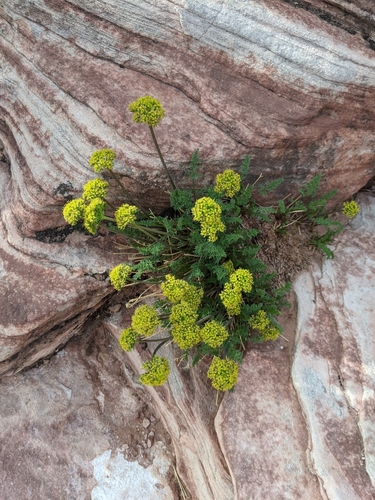
Lomatium parryi
Parry's biscuit root, Utah desert parsley
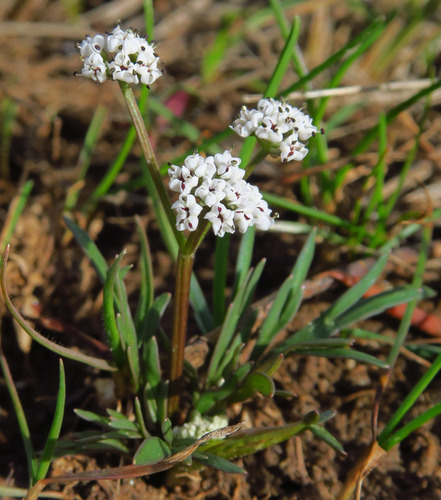
Lomatium piperi
Indian biscuitroot
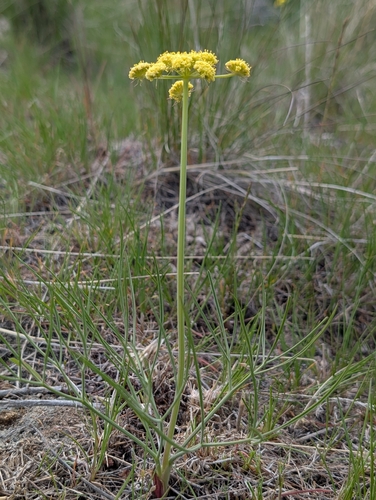
Lomatium simplex
Narrowleaf lomatium
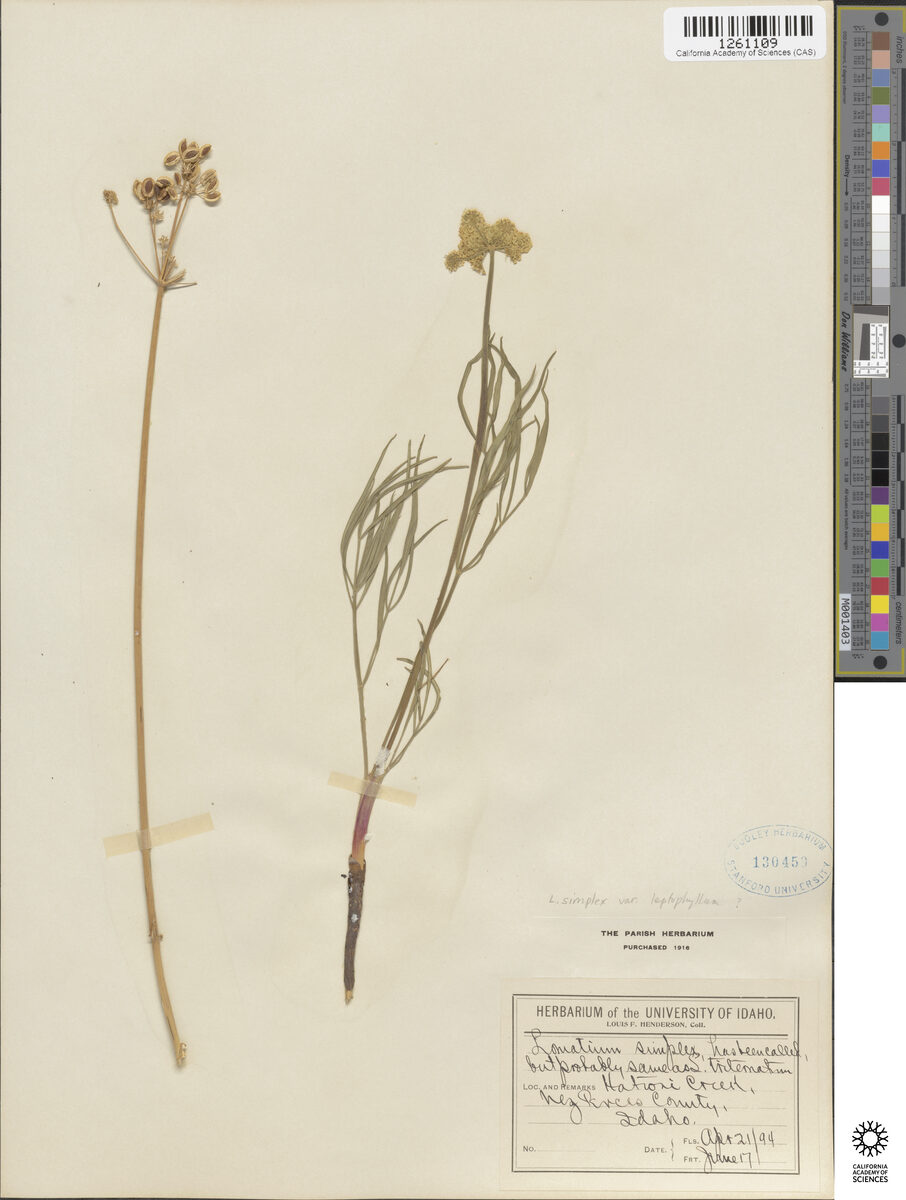
Lomatium simplex var. leptophyllum
Narrow leaf lomatium
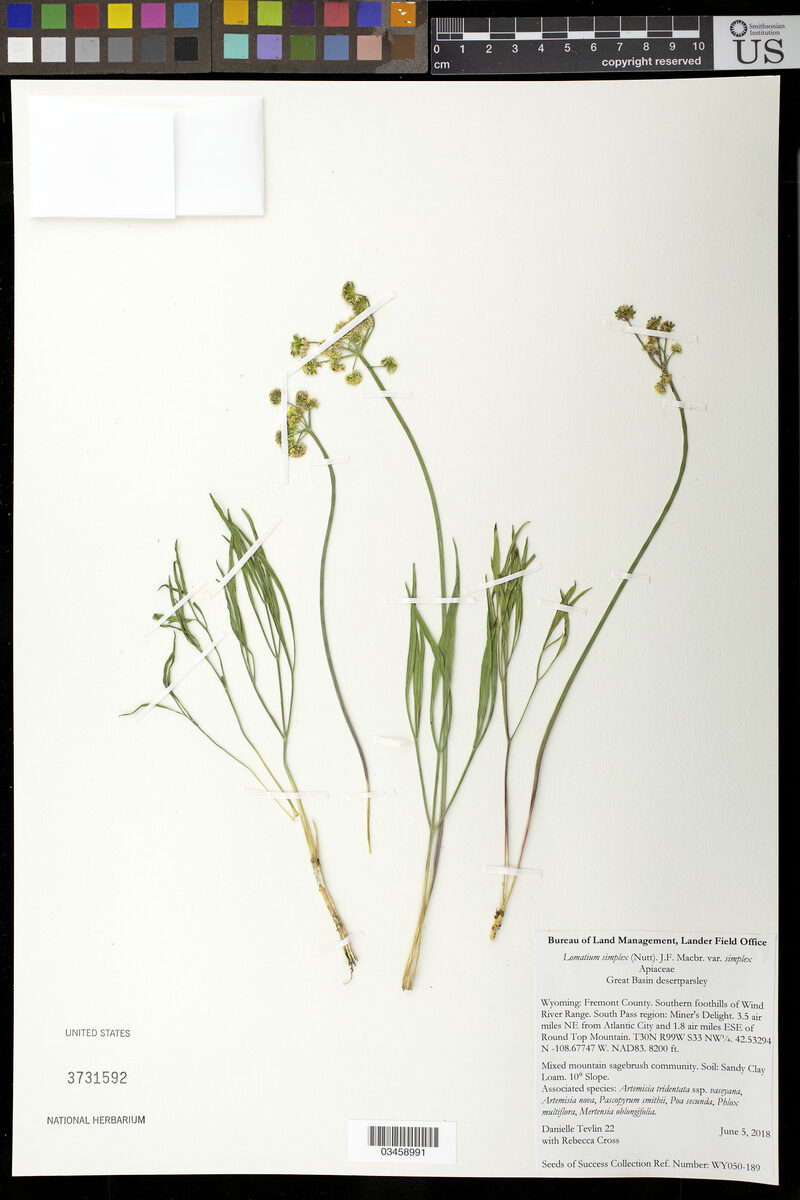
Lomatium simplex var. simplex
Great Basin desert parsley
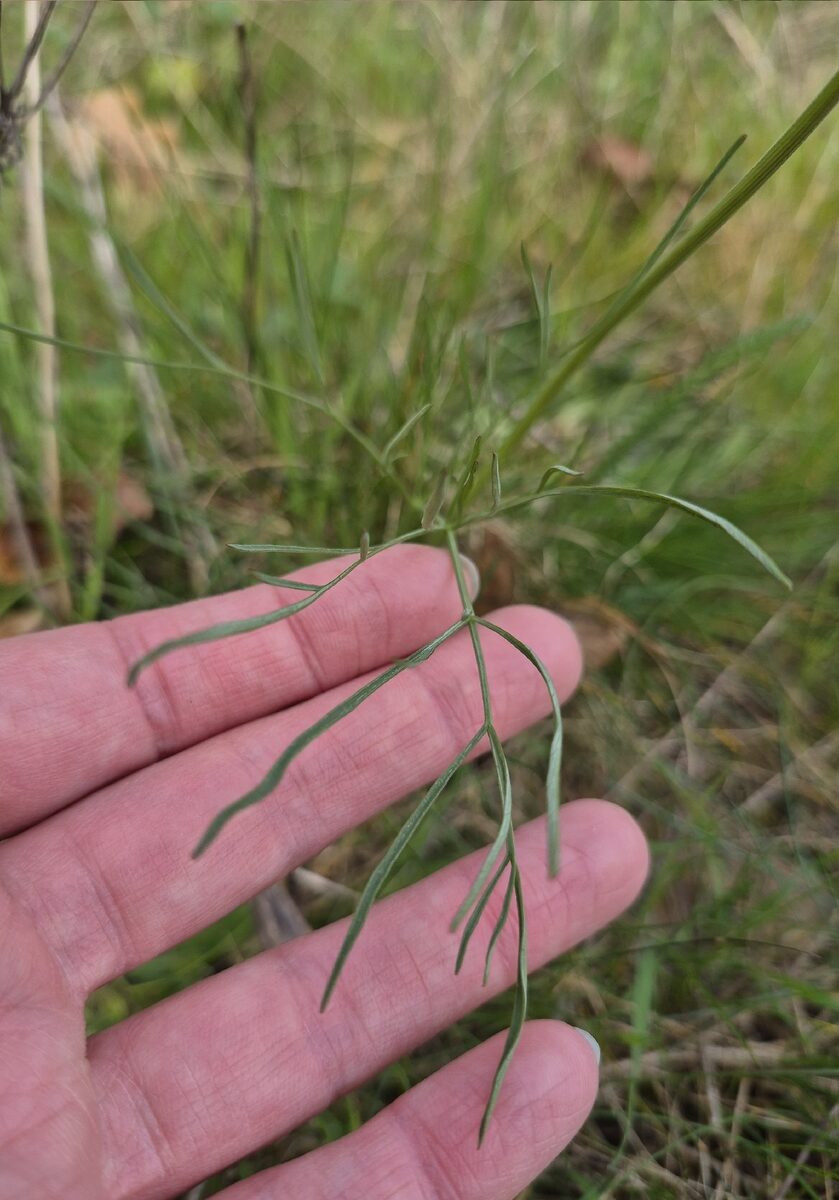
Lomatium triternatum - (Pursh.)Coult.&Rose.
Nineleaf Biscuitroot, Broadnineleaf biscuitroot