Desmodium cinereum
(Kunth) DC.
Tickclover
No photos yet for Desmodium cinereum
Sign in to contribute a photoSummary
Desmodium cinereum is a fast-growing evergreen perennial reaching 2 m tall and wide. It thrives in light sandy, medium loamy, and heavy clay soils across mildly acidic to neutral pH ranges and very acidic soils. The plant requires full sun and prefers moist or wet conditions. Hardy to UK zone 10.
Description
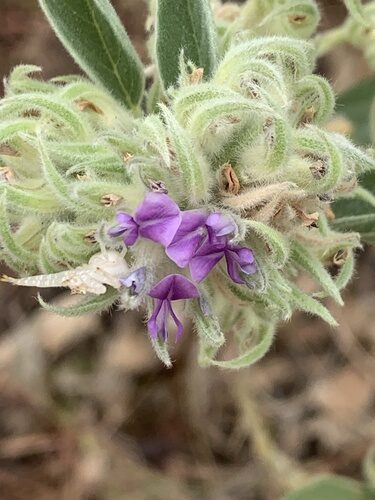
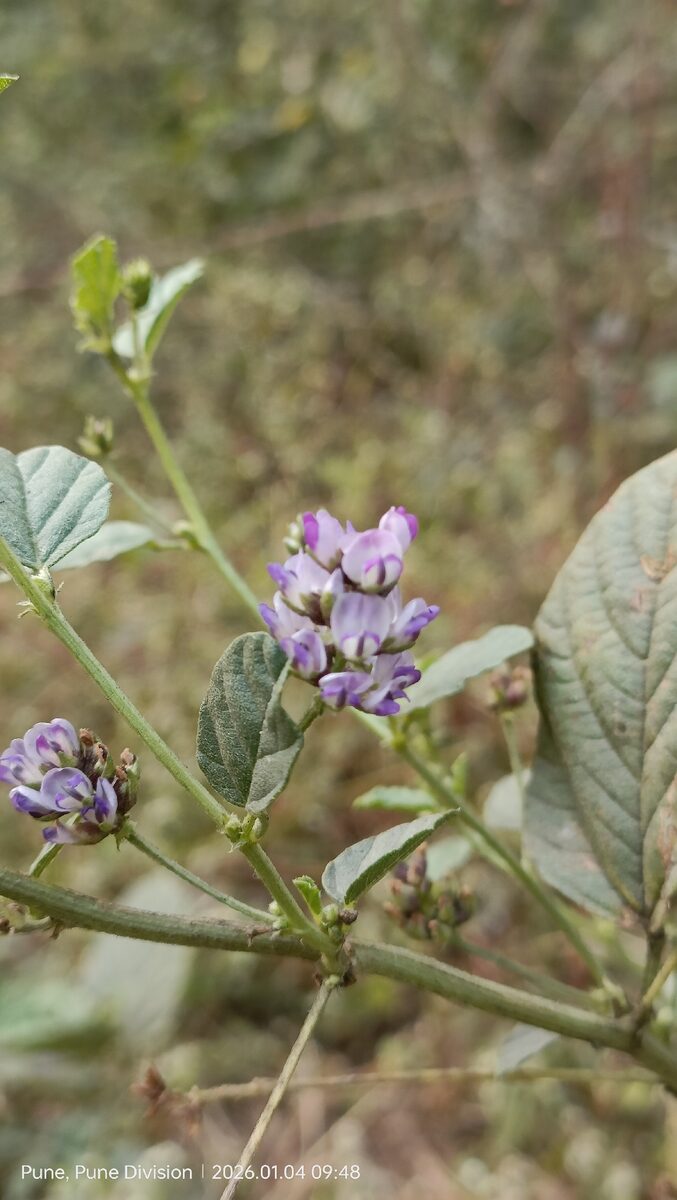
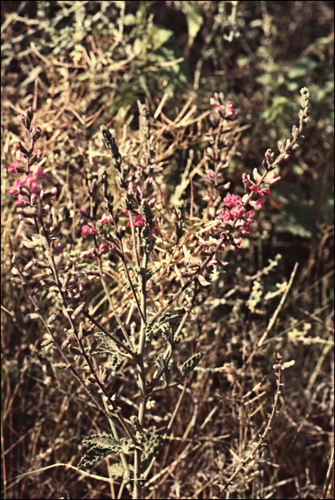
An erect shrub. It grows 1-3 m tall. It has erect stems and a few branches. The leaves have 3 leaflets and the leaflets are thick and 5-7 cm long. The flowers are purple and in large groups.
Edible Uses
None known.
Medicinal Uses
None known.
Distribution
A tropical plant. It grows below 1,000 m above sea level.
Where It Grows
Asia, Australia, Central America, El Salvador, Honduras, Indonesia, Mexico, SE Asia, South America,
Propagation
Seed germinates quickly in 3–4 days without scarification.
Other Uses
Used in contour hedgerows and alley-cropping systems as a nitrogen-rich mulch. Foliage serves as stock feed, and leaf meal has shown similar benefits to Leucaena leucocephala meal when used as a protein supplement for poultry and pigs, with incremental improvements in liveweight gain in sheep when fed as hay. Nutrient analysis is comparable to Medicago sativa. Regular cutting encourages multiple stems and increases leaf yields. Carbon Farming; Food Forest; Hedge; Nitrogen Fixer; Fodder: bank.
Notes
There are about 450 Desmodium species. They are mostly in the tropics.
References (5)
- ECOCROP FAO
- Kermath, B. M., et al, 2014, Food Plants in the Americas: A survey of the domesticated, cultivated and wild plants used for Human food in North, Central and South America and the Caribbean. On line draft. p 302
- Martin, F.W. & Ruberte, R.M., 1979, Edible Leaves of the Tropics. Antillian College Press, Mayaguez, Puerto Rico. p 199
- Prodr. 2:330. 1825
- Terra, G.J.A., 1973, Tropical Vegetables. Communication 54e Royal Tropical Institute, Amsterdam, p 44