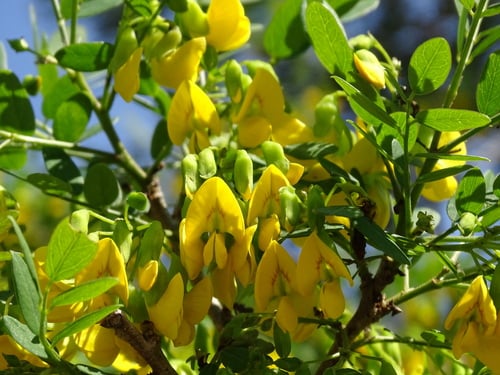
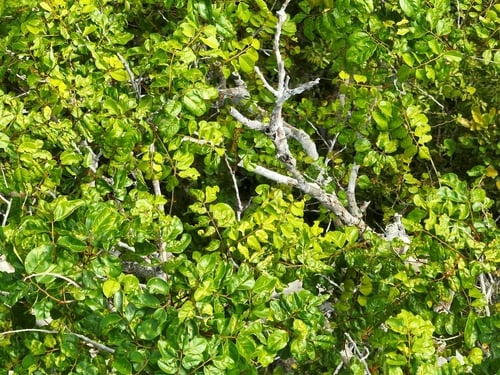
Desmanthus illinoensis
(Michx.) MacM. ex B. L. Robins & Fern.
Illinois bundleflower
iNaturalist· cc-by-nc
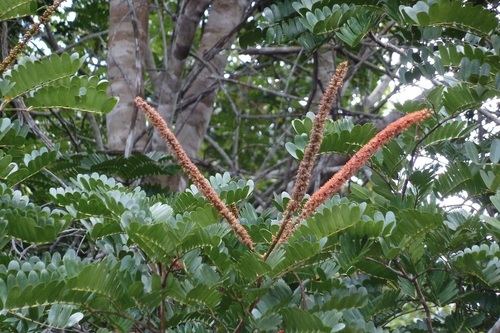
(c) kcarrol2, some rights reserved (CC BY-NC), uploaded by kcarrol2
iNaturalist· cc-by-nc-sa
(c) Jerry Oldenettel, some rights reserved (CC BY-NC-SA)
iNaturalist· cc-by-nc
(c) Suzette Rogers, some rights reserved (CC BY-NC), uploaded by Suzette Rogers
Summary
Source: WikipediaDesmanthus illinoensis, commonly known as Illinois bundleflower, prairie-mimosa or prickleweed, is a common plant in the central and southern United States.
Description
A hardy perennial reaching 1.3 m tall. Hardy to UK zone 4 and not frost tender. Flowers May to July. Hermaphroditic and insect-pollinated. Capable of nitrogen fixation. Grows in light sandy, medium loamy, and heavy clay soils, prefers well-drained conditions, and tolerates heavy clay. Suitable for mildly acid to mildly alkaline soils. Requires full sun and prefers moist soil. Does not tolerate shade.
Edible Uses
The seeds are edible when cooked and are rich in protein, though not particularly flavourful. The seedpods are about 25mm long and each contains 3–5 small seeds. They are produced freely in the plant's native environment, but would need to be equally prolific in cultivation to make a worthwhile crop.
Traditional Uses
It is being investigated as a potential grain crop.
This uses section is brief — help expand it
Medicinal Uses
A tea made from the leaves has been used to treat itchy skin. For trachoma, five seeds are placed in the eye overnight and washed out in the morning.
Known Hazards
The root bark contains gramine, which is toxic to some animals.
Distribution
It is a temperate plant.
Where It Grows
North America, USA,
Propagation
Pre-soak seed for 12 hours in warm water, then sow in a cold frame in spring. Prick out seedlings into individual pots as soon as they are large enough to handle and plant out into permanent positions in early summer. If seed is plentiful, it is also worth sowing some in situ in mid to late spring.
Other Uses
The root bark contains N,N-DMT, NMT, N-hydroxy-N-methyltryptamine, 2-hydroxy-N-methyltryptamine, and gramine (toxic). It is mixed with a native source of beta-Carbolines to produce a hallucinogenic drink known as prairiehuasca, an analog of the shamanic brew ayahuasca. Carbon Farming; Nitrogen Fixer.
Other Information
It is considered a food plant with commercial potential.
Notes
Also as Mimosaceae. The seeds are rich in protein.
References (3)
- Davies, C. L., Waugh, D. L. & Lefroy, E. C., 2005, Perenial Grain Crops for High Water Use. The case of Microlaena stipoides. RIRDC Publication No. 05/024
- Kermath, B. M., et al, 2014, Food Plants in the Americas: A survey of the domesticated, cultivated and wild plants used for Human food in North, Central and South America and the Caribbean. On line draft. p 302
- USDA plants