Portulaca samoensis
v. Poelln.
iNaturalist· cc-by-nc
(c) Hyongchan Kim, some rights reserved (CC BY-NC), uploaded by Hyongchan Kim
iNaturalist· cc-by
(c) Shelomi Doyle, some rights reserved (CC BY), uploaded by Shelomi Doyle
iNaturalist· cc-by-nc
(c) jesselowe, some rights reserved (CC BY-NC)
Description
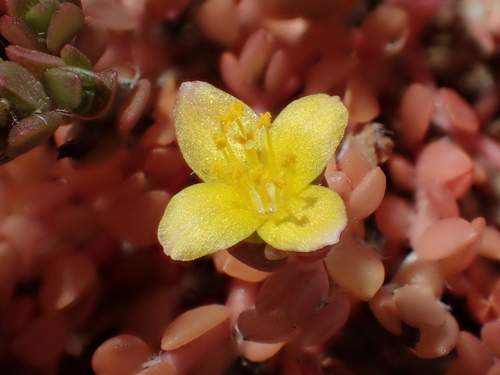
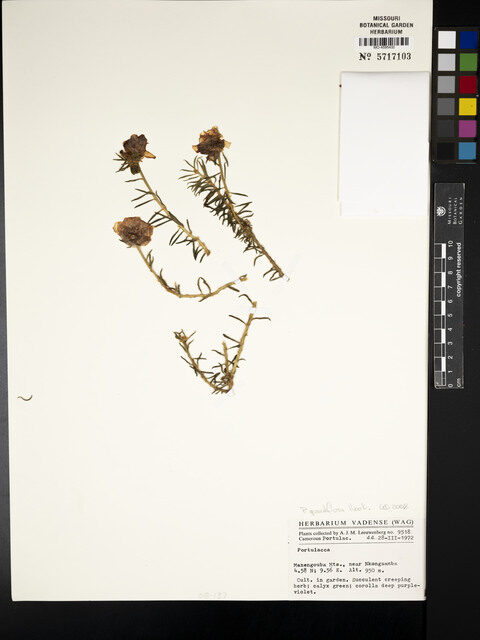
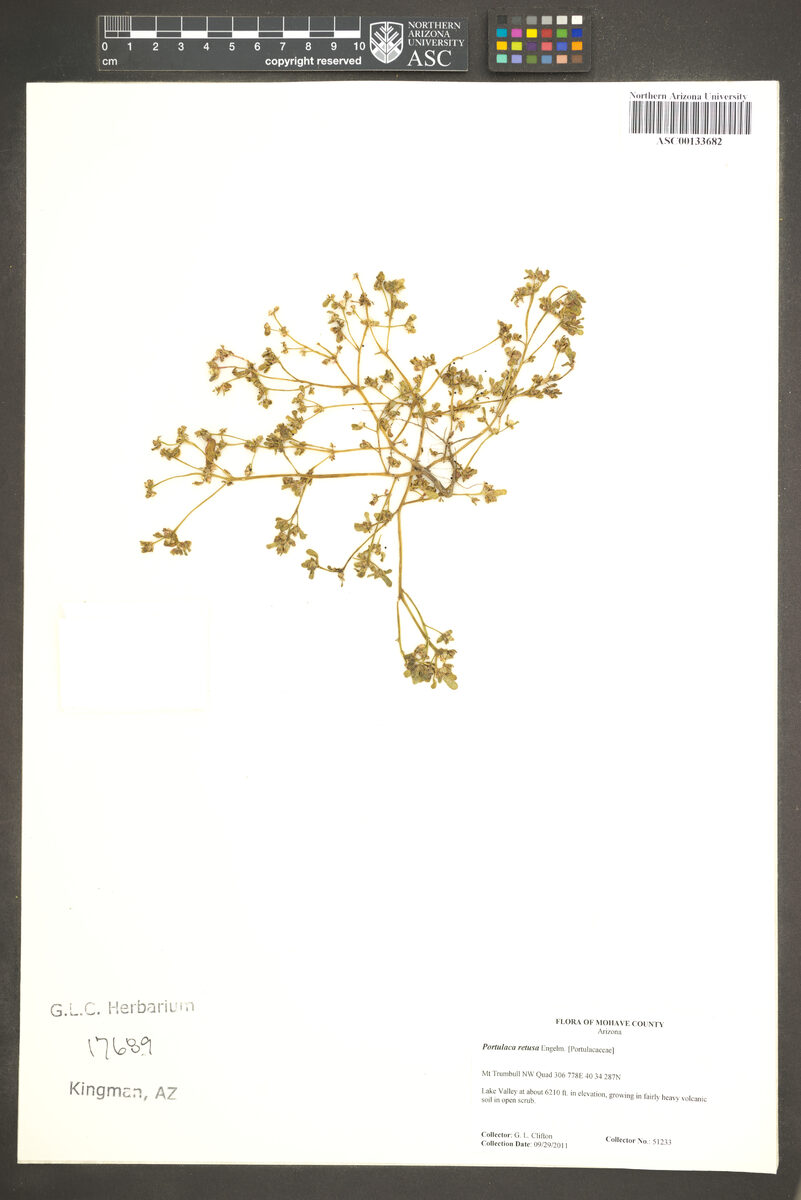
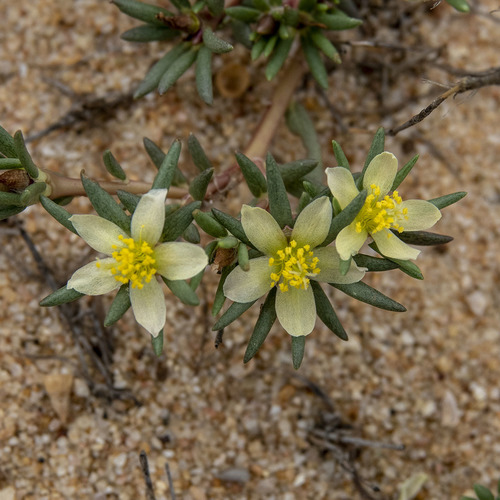
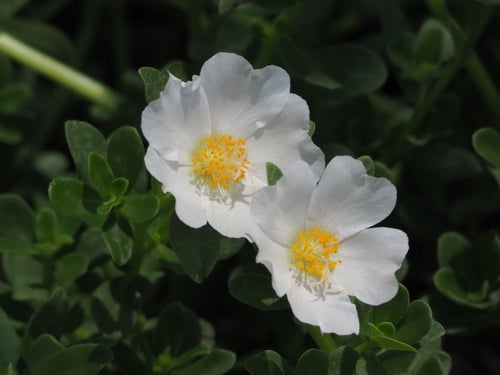
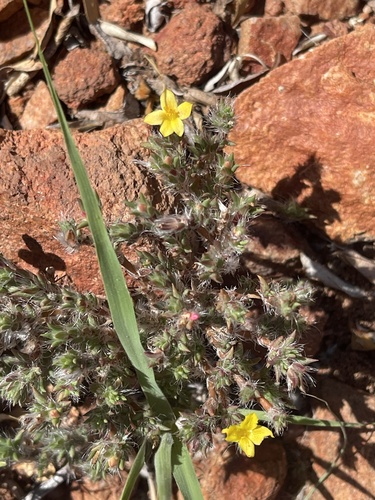
A creeping herb. It can be 20 cm high. It has a tuberous root. The leaves are fleshy and narrow and pointed. They have long hairs at the base. The flowers are bright yellow.
Distribution
A tropical plant. In Fiji it occurs from sea level to 200 m altitude. It grows on rocky shores and amongst rocks on hillsides.
Where It Grows
American Samoa, Caroline Islands, Fiji, Pacific, Rotuma, Samoa, Tokelau, Tonga,
Notes
There are about 200 Portulaca species. They are mostly in the tropics and subtropics.
Dangerous Lookalikes
This plant can be confused with the following toxic species. Always verify identification carefully before consuming any wild plant.
Spotted Spurge
Euphorbia maculata
Hardyplants at English Wikipedia
Portulaca samoensis
Portulaca samoensis
(c) Hyongchan Kim, some rights reserved (CC BY-NC), uploaded by Hyongchan Kim
Spotted Spurge: Milky white latex sap when broken, thinner leaves often with dark spot, prostrate growth, tiny flowers.
Portulaca samoensis: Clear sap, thick succulent leaves, reddish smooth stems, yellow flowers.
Also Known As
Kutu, Ndomindomi, Periro, Tamole, Ubijon
References (1)
- Smith, A.C., 1981, Flora Vitiensis Nova, Lawaii, Kuai, Hawaii, Volume 2 p 278