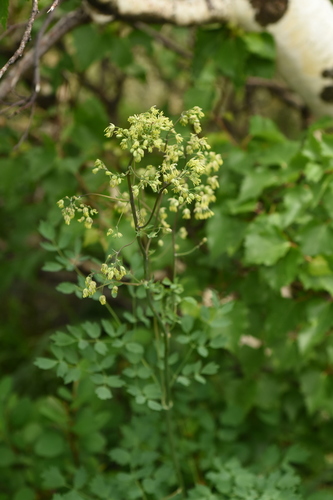
Anemonella thalictroides
(L.) Spach.
Rue-anemone
iNaturalist· cc-by-nc
(c) Lyra, some rights reserved (CC BY-NC)
iNaturalist· cc-by-nc
(c) Lyra, some rights reserved (CC BY-NC)
iNaturalist· cc-by-nc
(c) Matt Tomlinson, some rights reserved (CC BY-NC)
Summary
Source: WikipediaA slow-growing dwarf perennial reaching 10 cm tall. Hermaphroditic flowers bloom in April. Prefers well-drained, light sandy soil and tolerates full to semi-shade. Moist soil conditions are preferred. Hardy to UK zone 4.
Description
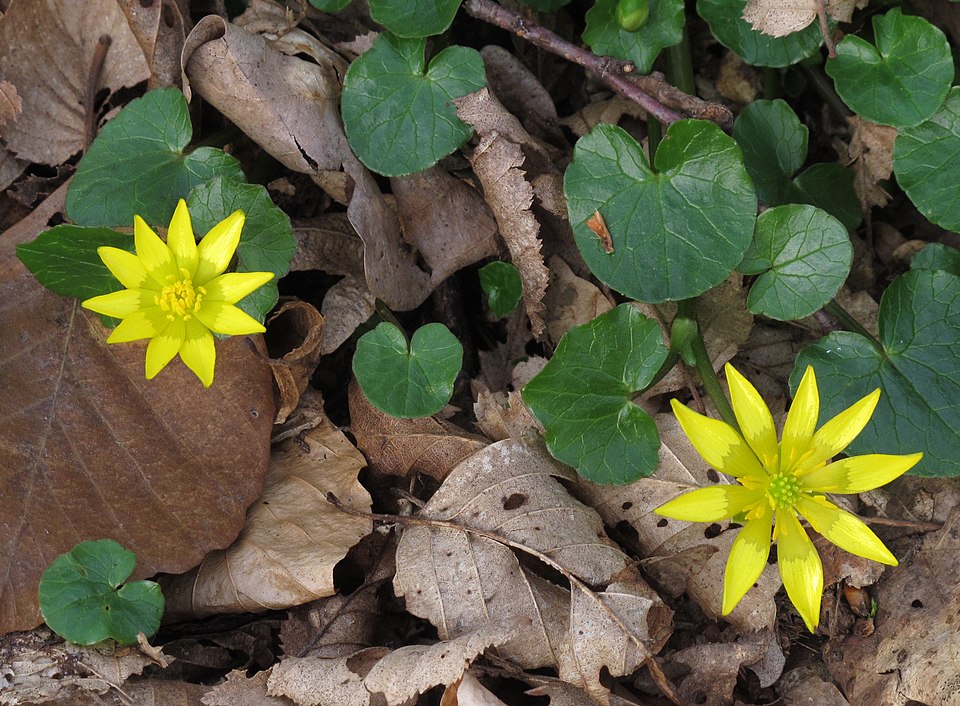
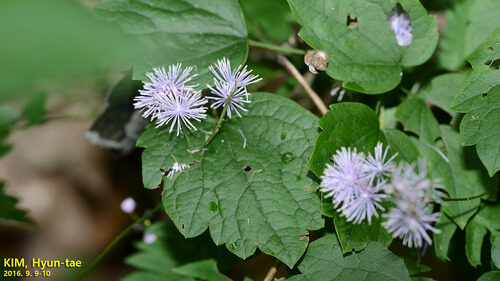
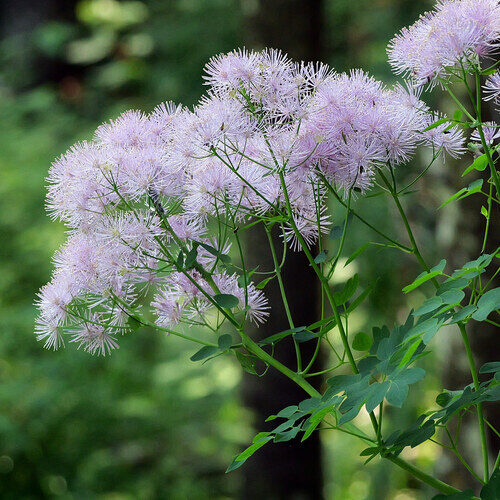
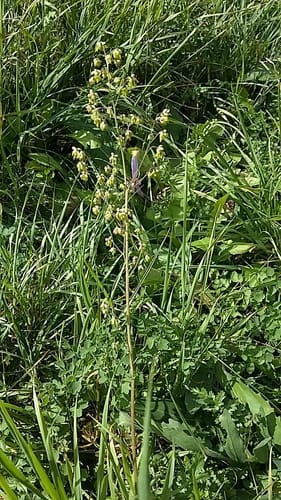
A tuber producing plant. It grows 15-25 cm high and spreads 20-25 cm wide. The leaves have 3 lobes. There are 2-5 flowers on thin stalks. The flowers are 2.5 cm across. They are usually white but can be pink.
Edible Uses
The starchy roots of Anemonella thalictroides are edible when cooked. Some caution is advised regarding toxicity.
Medicinal Uses
The roots are astringent. A tea made from the roots is used to treat diarrhoea and vomiting, and a preparation of the root has historically been used in the treatment of piles.
Distribution
A cool temperate plant. It can grow with some shade. It grows well in woodland under deciduous trees. It needs rich, well drained soil. It does not suit hot areas with low rainfall. It suits hardiness zones 4-8.
Where It Grows
Australia, North America*, Slovenia, USA,
Cultivation
Plants are grown from tubers. They are placed just below the surface and spaced 20 cm apart. It does well if lightly covered with rotted organic matter. It can be grown from fresh seed.
Propagation
Sow seed in a cold frame as soon as it ripens in summer. Once seedlings are large enough to handle, prick them out into individual pots and grow on in the greenhouse through their first winter before planting out in spring. Division is best carried out in autumn by carefully removing pieces from the outside of the clump and potting them on until established, taking care to disturb the main clump as little as possible.
Other Uses
None known.
Notes
There is only one Anemonella species.
Synonyms
Also Known As
Vetrničica
References (6)
- Bircher, A. G. & Bircher, W. H., 2000, Encyclopedia of Fruit Trees and Edible Flowering Plants in Egypt and the Subtropics. AUC Press. p 28
- Burnie, G.(Ed.), 2003, Annuals and Bulbs. The Gardener's Handbooks. Fog City Press. p 245
- Cundall, P., (ed.), 2004, Gardening Australia: flora: the gardener's bible. ABC Books. p 154
- Kermath, B. M., et al, 2014, Food Plants in the Americas: A survey of the domesticated, cultivated and wild plants used for Human food in North, Central and South America and the Caribbean. On line draft. p 861 (As Thalictrum thalictroides)
- Plants for a Future database, The Field, Penpol, Lostwithiel, Cornwall, PL22 0NG, UK. http://www.scs.leeds.ac.uk/pfaf/
Show all 6 references Hide references
- Ryan, S., 2008, Dicksonia. Rare Plants Manual. Hyland House. p 95