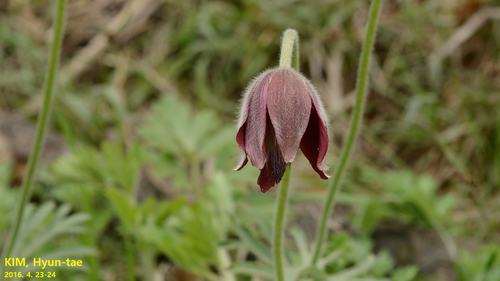
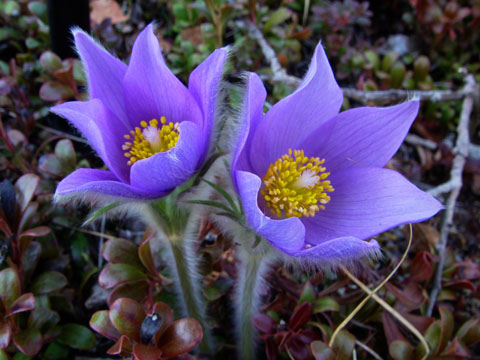
Aconitum rotundifolium
Kar. & Kir.
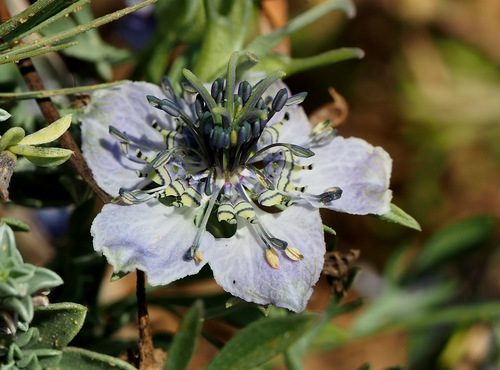
iNaturalist· cc-by-nc
(c) Ron Frumkin, some rights reserved (CC BY-NC), uploaded by Ron Frumkin
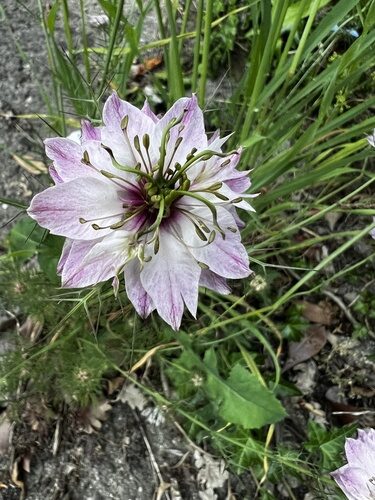
iNaturalist· cc-by
(c) Dmitry Boldyrev, some rights reserved (CC BY), uploaded by Dmitry Boldyrev
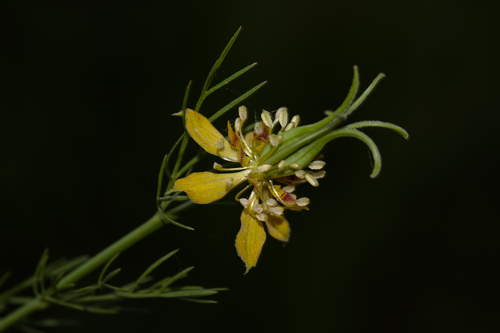
iNaturalist· cc-by-nc
(c) Miguel A. Casado, some rights reserved (CC BY-NC), uploaded by Miguel A. Casado
Summary
Aconitum rotundifolium is a compact hardy perennial reaching 0.5 m tall. Flowers appear July to August and are bee-pollinated. It grows in light sandy, medium loamy, and heavy clay soils with mildly acidic to mildly alkaline pH. The plant tolerates semi-shade or full sun and prefers moist soil.
Description
A shrub or small tree. It grows 5 m tall. There are prickles along the stem. The leaves are twice divided and there are 8-18 pairs of pinnae. There are up to 50 pairs of pinnules on each pinnae. The flowers are yellow. They are in large clusters at the ends of branches. The pods are flattened.
Edible Uses
The leaves can be eaten cooked. This species is reported to be non-toxic, but that claim deserves scepticism given the highly toxic nature of the genus in general.
Traditional Uses
Caution: The plant is poisonous. It contains 2 alkaloids. It has been reported that leaves are eaten after cooking.
This uses section is brief — help expand it
Medicinal Uses
None known
Known Hazards
The whole plant is highly toxic - simple skin contact has caused numbness in some people.
Distribution
It grows naturally on stony slopes in the alpine and sub-alpine zone in Western Asia. It grows in alpine grassland in western China at 3,100 m above sea level.
Where It Grows
Afghanistan, Asia, Central Asia, China, Himalayas, India, Nepal, Russia, Tajikistan,
Cultivation
Thrives in most soils and in the light shade of trees. Grows well in heavy clay soils. Prefers a moist soil in sun or semi-shade. Prefers a calcareous soil. Grows well in open woodlands. Members of this genus seem to be immune to the predations of rabbits and deer. A greedy plant, inhibiting the growth of nearby species, especially legumes. Closely related to A. napellus.
Propagation
Sow seed as soon as it is ripe in a cold frame. Seed can be stratified and sown in spring, but germination will be slow. Prick seedlings out into individual pots once large enough to handle, grow on in a cold frame through their first winter, and plant out in late spring or early summer. Division is best done in spring, though autumn works too. Some sources recommend autumn or late winter for dividing, as plants come into growth very early in the year.
Other Uses
None known
Notes
There are about 100 Aconitum species. This one is used in medicine.
References (2)
- Ambasta S.P. (Ed.), 2000, The Useful Plants of India. CSIR India. p 11
- Plants for a Future database, The Field, Penpol, Lostwithiel, Cornwall, PL22 0NG, UK. http://www.scs.leeds.ac.uk/pfaf/