Poga oleosa
Pierre
Inoi Nut, African Brazil Nut
wikimedia· cc0
Wikimedia Commons - Люся Прибыльская
wikimedia· cc0
Wikimedia Commons - Kel Marubi
Description
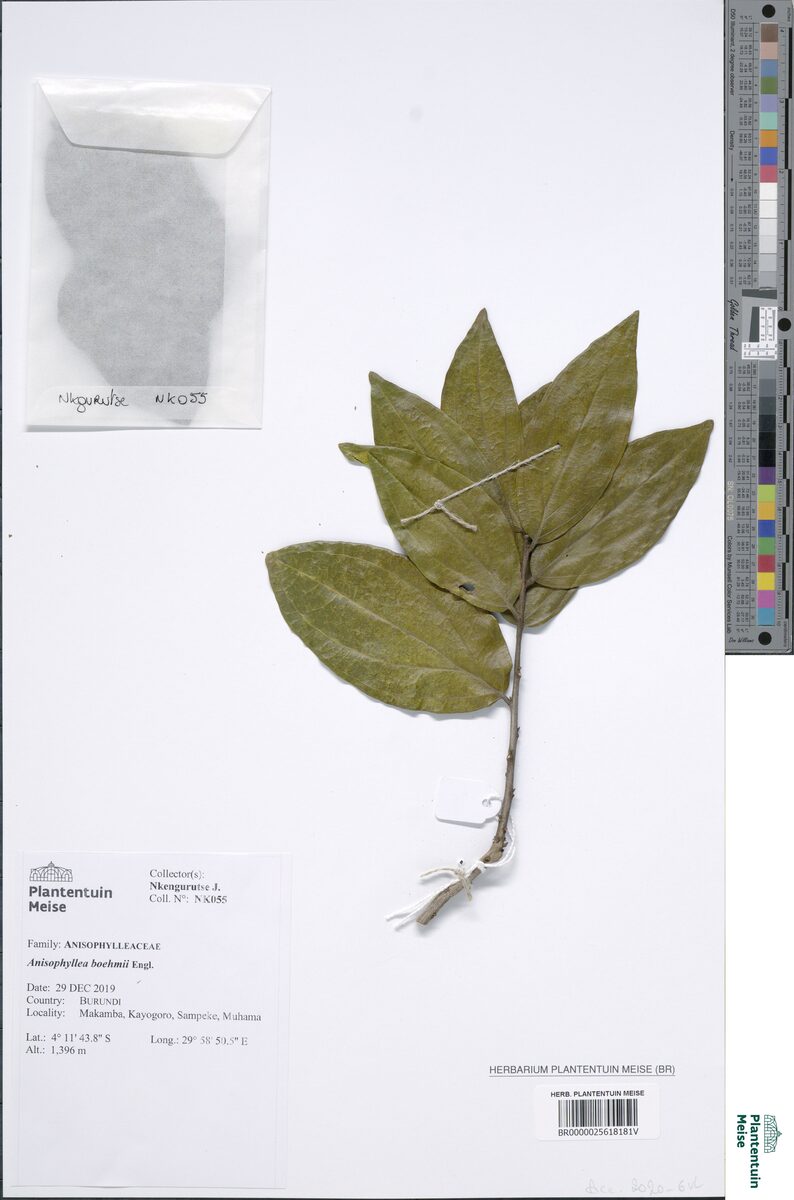
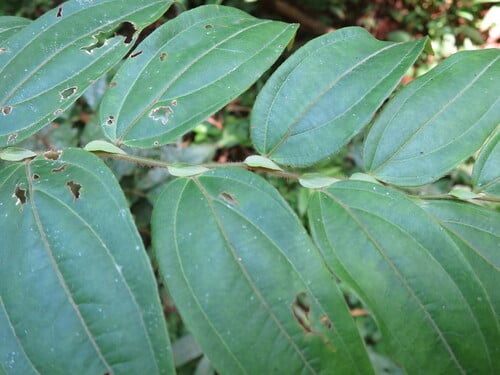
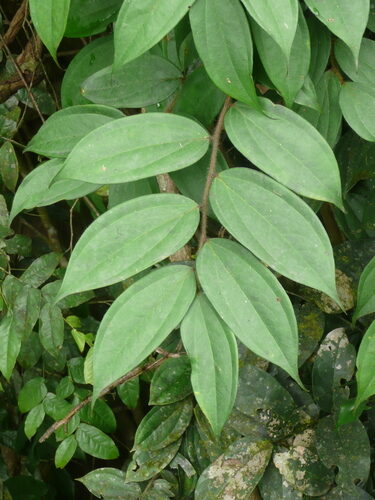
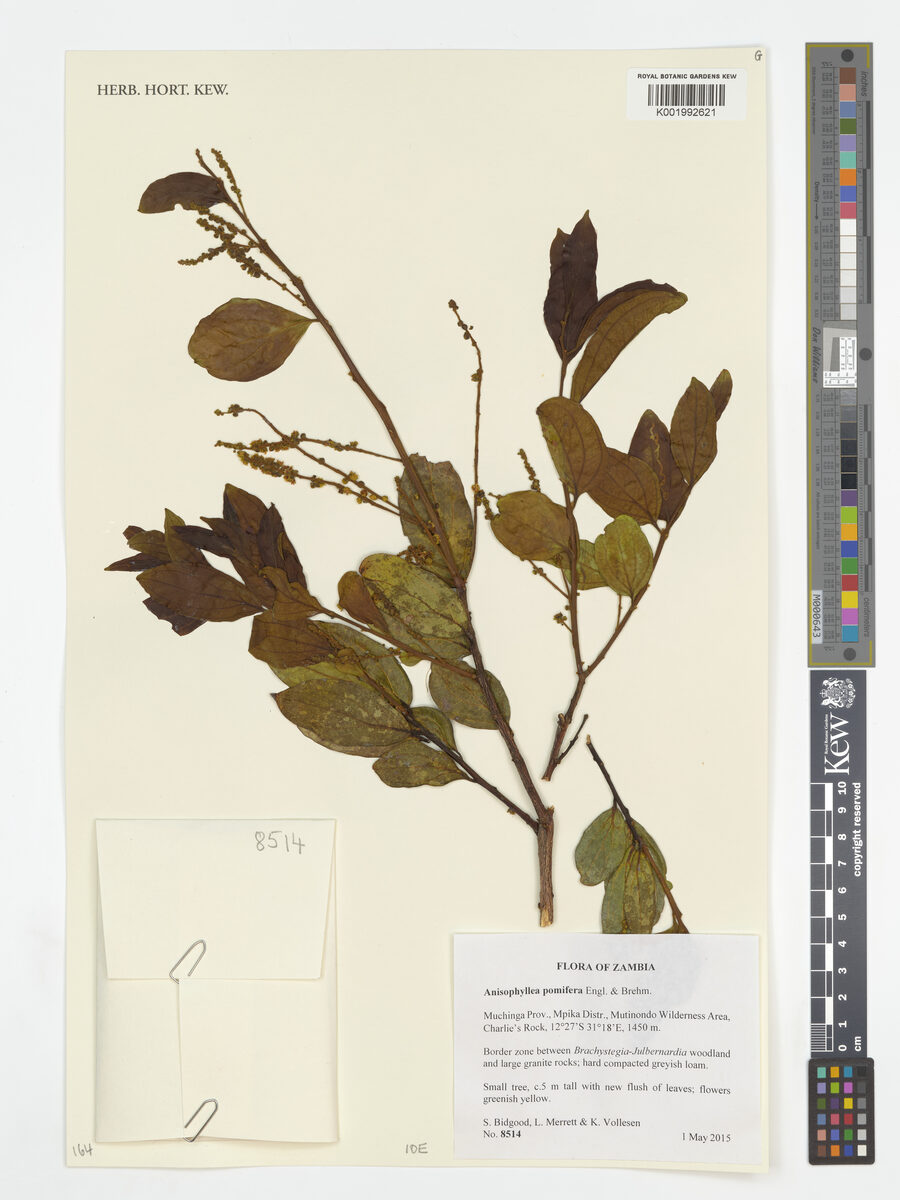
A tree. It grows to 35 m tall. The trunk is 1.5 m across. The leaves are alternate and simple. They are 10-15 cm long by 5-7 cm wide. The fruit are round and fleshy. They are 5 cm across. There are 2-4 seeds. These are 2 cm long by 1 cm wide.
Edible Uses
Seed - a similar flavour to Brazil nuts Used as a condiment. The seed is enclosed in a hard bony shell with a rough pitted surface, and is by no means easy to extract. A pleasant flavoured oil used for cooking is obtained from the seed.
Traditional Uses
The nut yields an edible oil. The nuts are eaten raw.
This uses section is brief — help expand it
Distribution
A tropical plant. It grows in patches in deep forest in West Africa. It grows in the humid zone.
Where It Grows
Africa, Cameroon, Central Africa, CAR, Central African Republic, CAR, Congo DR, Congo R, Gabon, Nigeria, West Africa,
Other Uses
The heartwood is pink, red or pink buff; it is clearly demarcated from the 2 - 5cm wide band of sapwood which is whitish with pink stripes. The texture is coarse; the grain straight, sometimes wavy, there is a 'silver grain' figure when quartersawn due to broad rays; the surface is lustrous. The wood is very light to light in weight; very soft to soft; somewhat durable, being resistant to dry wood borers, somewhat resistant to fungi, but susceptible to termites. It seasons fairly quickly, with only a slight risk of checking and distortion; once dry it is stable in service. It works easily with hand and machine tools; it takes a smooth finish, though rays can make polishing difficult; it peels and slices well; nails and screws poorly; gluing is correct. It is used for decorative veneers, furniture components, boxes and crates, general woodworking, joinery etc.
Notes
There is only one Poga species. There are 4 genera and 35 species in the Anisophylleaceae.
Also Known As
Afo, Angale, Enyor, Fo, Inoi, Inoy Nut, Menyor, Mipo, Monyoh, Monyorh, Mpoi, Ngale, Nenyoh, Ovoga, Poga, Po'o
References (21)
- Billong Fils, P. E., et al, 2020, Ethnobotanical survey of wild edible plants used by Baka people in southeastern Cameroon. Journal or Ethnobiology and Ethnomedicine. 16:64 p 9
- Burkill, H. M., 1985, The useful plants of west tropical Africa, Vol. 4. Kew.
- Dalziel, J. M., 1937, The Useful plants of west tropical Africa. Crown Agents for the Colonies London.
- Davis, S.D., Heywood, V.H., & Hamilton, A.C. (eds), 1994, Centres of plant Diversity. WWF. Vol 1. p 172
- FAO Corporate Document Repository. The Major Significance of 'Minor' Forest Products. Appendix 3
Show all 21 references Hide references
- Heywood, V.H., Brummitt, R.K., Culham, A., and Seberg, O. 2007, Flowering Plant Families of the World. Royal Botanical Gardens, Kew. p 32
- Hoare A. L., 2007, The Use of Non-timber Forest Products in the Congo Basin. Constraints and Opportunities. Rainforest Foundation. p 40
- http://aflora.africa.kyoto-u.ac.jp
- Jardin, C., 1970, List of Foods Used In Africa, FAO Nutrition Information Document Series No 2.p 46
- Menninger, E.A., 1977, Edible Nuts of the World. Horticultural Books. Florida p 121
- Moutsambote, J., 1996, Vegetation forestiere et plantes alimentaires de la region de la Sangha. Chp. 11 of Bien Manger et Bien Vivre. ORSTOM p 119
- Nkeoua, G. & Boundzanga, G. C., 1999, Donnees sur les produits forestieres non ligneux en Republique du Congo. FAO. p 35
- Peters, C. R., O'Brien, E. M., and Drummond, R.B., 1992, Edible Wild plants of Sub-saharan Africa. Kew. p 53
- Smith, N., Mori, S.A., et al, 2004, Flowering Plants of the Neotropics. Princeton. p 17
- Schwarzbach, A. E, & Tomlinson, P. B., 2011, Anisophyllaceae, in Kubitzki, K., (Ed.), The Families and Genera of Vascular Plants. Vol. 10, Springer. p 54
- Ubom, R. M., 2010, Ethnobotany and Diversity Conservatioon in the Niger Delta, Nigeria. International Journal of Botany. 6(3): 310-322
- Vivien, J. & Faure, J.J., 1985, Abres des forets dense d'Afrique Centrale. Agence de Cooperation Culturelle et Technique. Paris. p 368
- Vivien, J., & Faure, J.J., 1996, Fruitiers Sauvages d'Afrique. Especes du Cameroun. CTA p 275
- Wickens, G.E., 1995, Edible Nuts. FAO Non-wood forest products. FAO, Rome. p 108
- World Checklist of Useful Plant Species 2020. Royal Botanic Gardens, Kew
- Zapfack, L., et al, 2001, Ethnobotanical Survey of the Takamanda Forest Reserve. Consultancy Report PROFA, Cameroon. p 23