Anisophyllea pomifera
Engl. & Brehm.
gbif· cc-by
Royal Botanic Gardens, Kew
gbif· cc-by-nc-sa
MBG
gbif· cc-by
Royal Botanic Gardens, Kew
Description
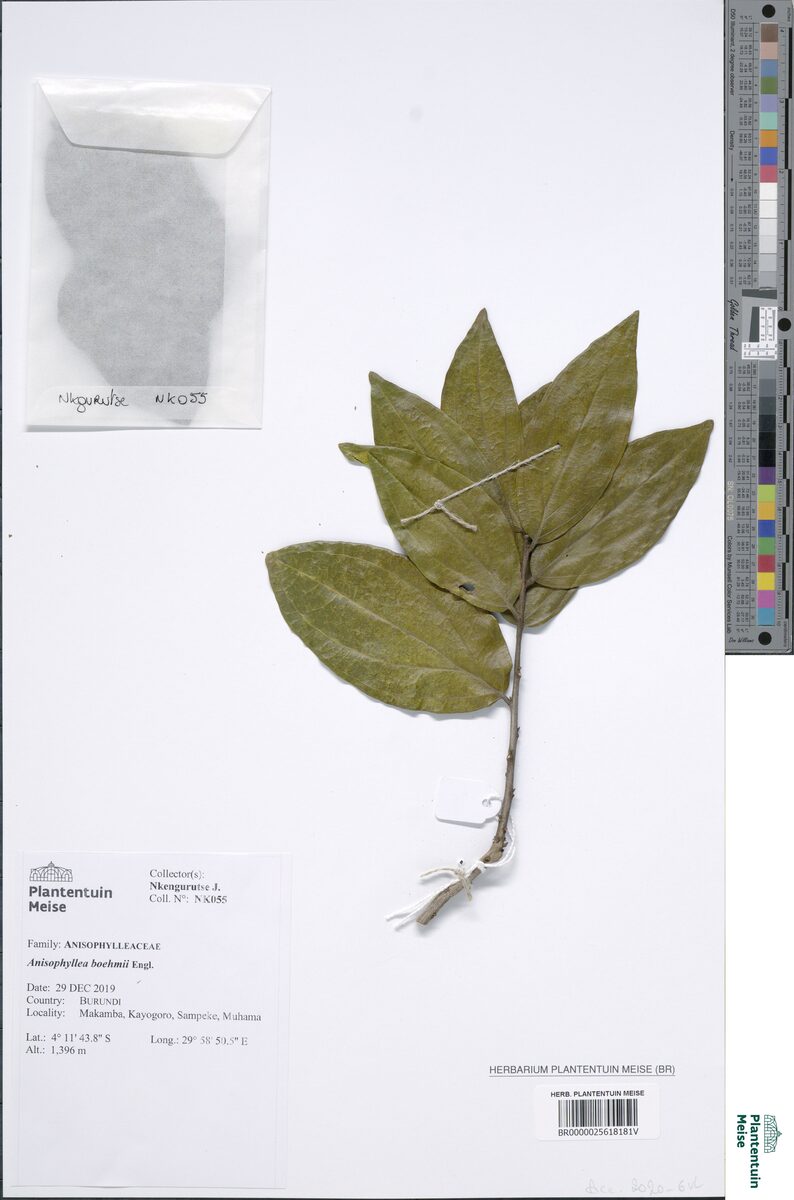
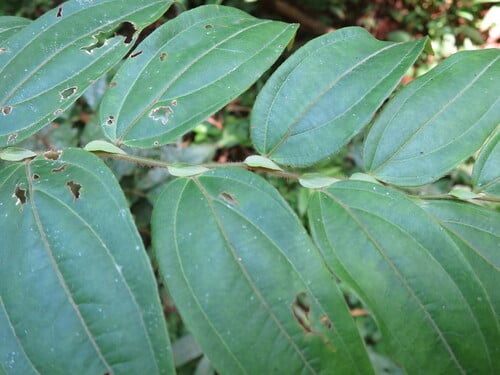
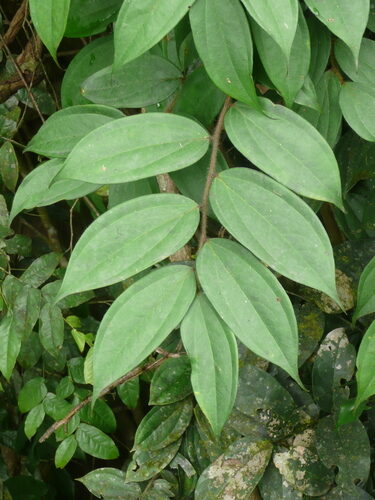
An evergreen shrub or tree. It can grow 12 m high. The trunk is 50 cm across. The bark is usually smooth. It peels off in thin scales. Young parts have yellow-brown curly hairs. The leaves are simple, opposite, leathery and shiny above. The leaf blade is 4-8 cm long by 2-5 cm wide. They are oval. The flowers are bisexual and have 4-5 flower parts. The petals are white or yellow. The fruit are about 5 cm across and are red. They are edible.
Edible Uses
The ripe fruit are eaten fresh, with sweet pulp flavoured like a nectarine. The ripe fruit can also be soaked in warm water, squeezed, filtered, and mixed with sugar to make a drink. The fruit are sold in local markets.
Traditional Uses
The ripe fruit are edible. The pulp is sweet and eaten fresh. The fruit are flavoured like a nectarine. The ripe fruit are also soaked in warm water then squeezed and filtered to make a drink. Sugar in added.
Distribution
It is a tropical plant. It grows in sandy or rocky soils. It grows between 600-1,600 m altitude.
Where It Grows
Africa, East Africa, Malawi, Tanzania, Zambia,
Cultivation
Plants can be grown from seeds but seeds germinate poorly. Plants can be grown from root suckers.
Production
In Tamzania fruit are collected from September to December. The fruit are not stored.
Other Information
The fruit are sold in local markets.
Also Known As
Machilikiti, Mahota, Mnemvi, Mnyemvi, Mshindwi, Nsindwi, Umushindwi
References (9)
- Flora Zambesiaca. http://apps.kew.org/efloras Vol. 4 p. 81
- Fowler, D. G., 2007, Zambian Plants: Their Vernacular Names and Uses. Kew. p 8
- Global Plants JSTOR
- Ichikawa, M., 1980, The Utilization of Wild Food Plants by the Suiei Dorobo in Northern Kenya. J. Anthrop. Soc. Nippon. 88(1): 25-48 - Vegetables of African hunters
- Lewis, J., 1956, Flora of Tropical East Africa.
Show all 9 references Hide references
- Mpasiwakomu, R. A., 2017, The Diversity and Utilization of Wild Edible and Medicinal Plant Species found in Uvinza Miombo Woodlands, Tanzania. M. Sc. thesis University of Tanzania.
- Peters, C. R., O'Brien, E. M., and Drummond, R.B., 1992, Edible Wild plants of Sub-saharan Africa. Kew. p 53
- Ruffo, C. K., Birnie, A. & Tengnas, B., 2002, Edible Wild Plants of Tanzania. RELMA p 134
- Williamson, J., 2005, Useful Plants of Malawi. 3rd. Edition. Mdadzi Book Trust. p 25