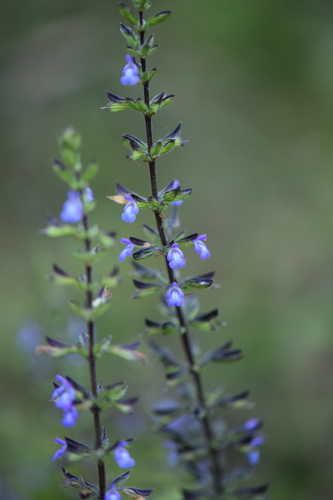
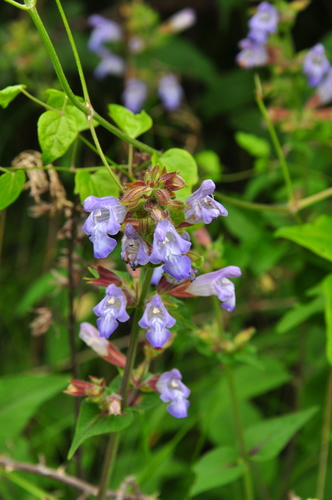
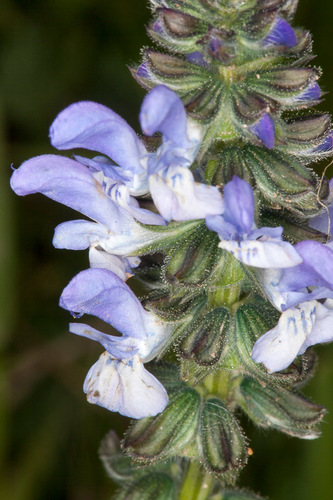
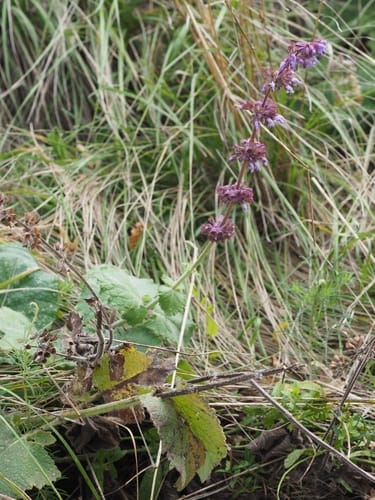
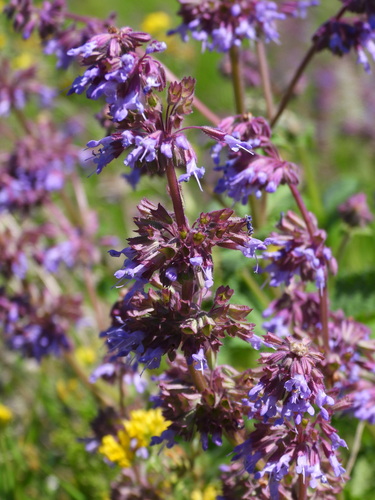
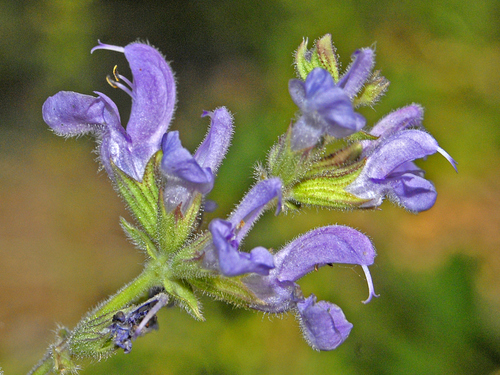
Plectranthus kameba
(Okuyama)Ohwi.
Kameba-Hiki-Okosi
gbif· cc-by
GBIF
gbif· cc-by
Paris, Museum National d'Histoire Naturelle, EL
gbif· cc-by
GBIF
Summary
A perennial growing to 1 m tall with hermaphrodite flowers. Suitable for light sandy, medium loamy, and heavy clay soils across mildly acidic to basic pH ranges. Can thrive in semi-shade or full sun and prefers consistently moist soil.
Description
A perennial growing to 1 m tall with hermaphrodite flowers. Suitable for light sandy, medium loamy, and heavy clay soils across mildly acidic to basic pH ranges. Can thrive in semi-shade or full sun and prefers consistently moist soil.
Edible Uses
Young leaves are eaten cooked.
Medicinal Uses
None known
Distribution
It is a temperate plant.
Where It Grows
Asia, Japan, Korea,
Propagation
No specific information is available for this species, but sowing seed in a cold frame in spring is suggested, barely covering the seed. Prick seedlings out into individual pots when large enough to handle and grow on in the cold frame for the first winter, then plant out into permanent positions in spring. Division in spring may also be possible.
Other Uses
None known Special Uses
Notes
There are about 250 Plectranthus species. They are mainly in the tropics.
References (1)
- Plants for a Future database, The Field, Penpol, Lostwithiel, Cornwall, PL22 0NG, UK. http://www.scs.leeds.ac.uk/pfaf/