Salvia virgata
Jacq.
iNaturalist· cc-by-sa
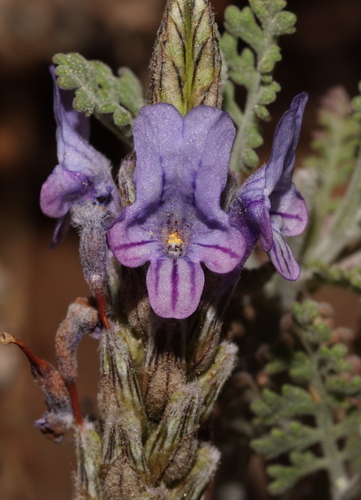
(c) Hectonichus, some rights reserved (CC BY-SA)
iNaturalist· cc-by
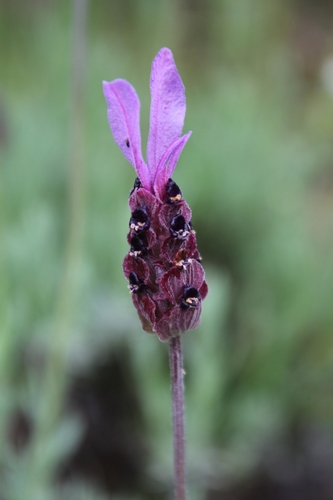
(c) Максим Шумских, some rights reserved (CC BY), uploaded by Максим Шумских
iNaturalist· cc-by-nc
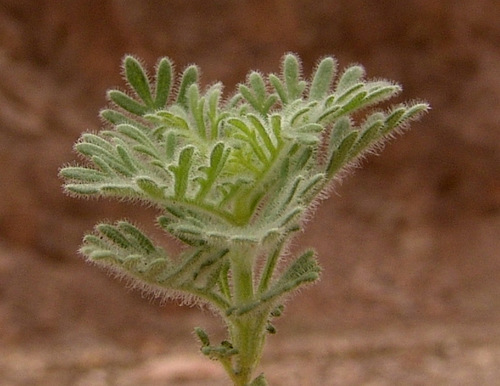
(c) Doston Turdiev, some rights reserved (CC BY-NC), uploaded by Doston Turdiev
Summary
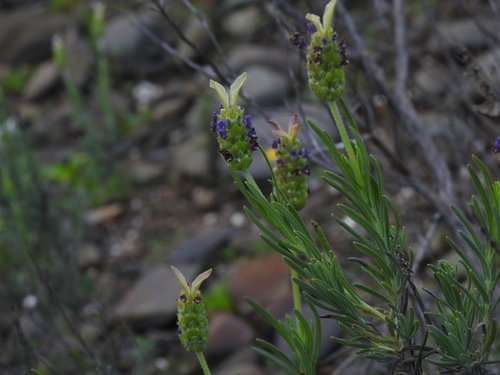
Source: WikipediaSalvia virgata (wand sage, southern meadow sage) is a perennial plant that is native to Asia and southeastern Europe. It is considered a noxious weed in many parts of the world. S. virgata is sometimes included within Salvia pratensis. Flowers grow in whorls of 4–6 with a blue-violet corolla (rarely white) that is 1 to 2 centimetres (0.39 to 0.79 in) long. The ovate to oblong leaves are dull green on the top surface, with the underside covered with glands and thick hairs.
Description
An herbaceous plant of the Lamiaceae family native to Mediterranean regions.
This description is brief — help expand it
Edible Uses
The leaves are used to make tea, and the flowers are used as a spice in soup.
Traditional Uses
The flowers are used as a spice in soup.
This uses section is brief — help expand it
Distribution
It is a Mediterranean plant.
Where It Grows
Central Asia, Tajikistan, Turkey, Türkiye,
Also Known As
Devetabani, Fatmanaotu, Kir kekigi
References (5)
- Ahiskali, M., Ari, C. & Selvi, S., Edible wild plants and their consumption during winterin a rural village of Kazdagi (Mount Ida)
- Ari, S., et al, 2015, Ethnobotanical survey of plants used in Afyonkarahisar-Turkey. Journal of Ethnobiology and Ethnomedicine 11:84
- Ertug, F, Yenen Bitkiler. Resimli Türkiye Florası -I- Flora of Turkey - Ethnobotany supplement
- Kargioglu, M. et al, 2010, Traditional Uses of Wild Plants in the Middle Aegean Region. Human Ecology 38:429-450
- Senkardes, I & Tuzlaci, E., 2016, Wild Edible Plants of Southern Part of Nevsehir inTurkey. Marmara Pharmaceutical Journal 20:34-43