Salvia tomentosa
Mill.
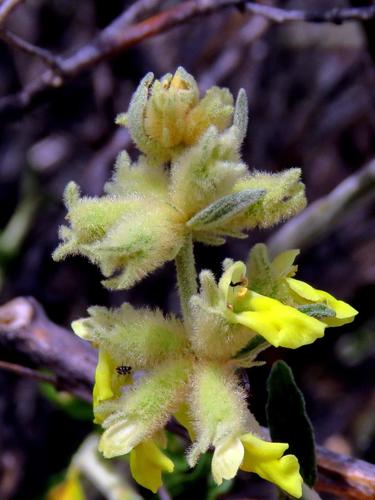
iNaturalist· cc-by-nc
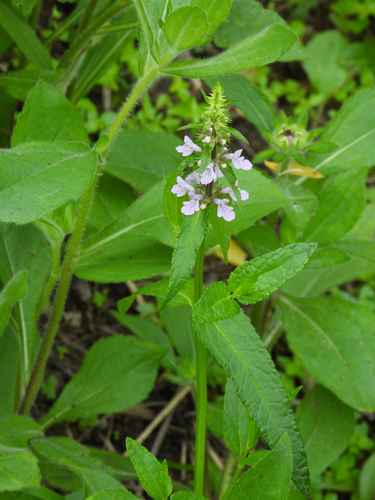
(c) Katerina Kashirina, some rights reserved (CC BY-NC), uploaded by Katerina Kashirina
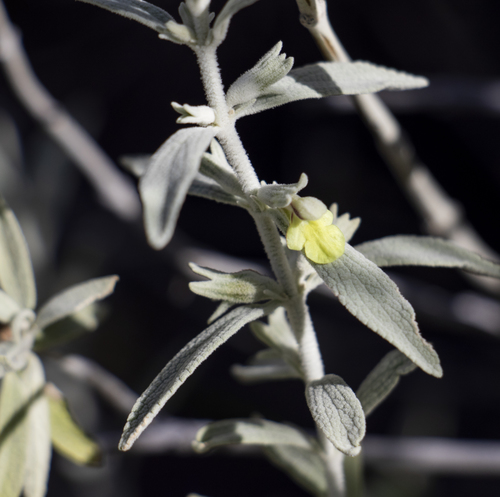
iNaturalist· cc-by-nc
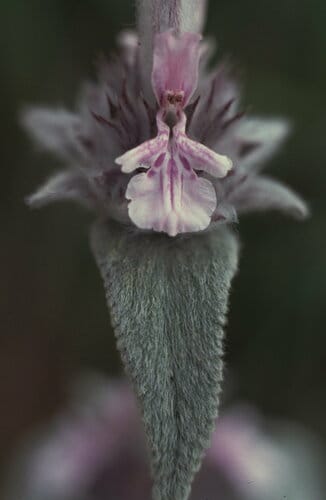
(c) Юрій Бенгус, some rights reserved (CC BY-NC)
Summary
Source: WikipediaSalvia tomentosa, the balsamic sage, is a species of flowering plant in the family Lamiaceae. It is native to the Balkan Peninsula, Crimea, Turkey, Lebanon/Syria, and the Transcaucasus, and it has been introduced to Germany. A mound-forming perennial reaching 0.5 to 1 m (2 to 3 ft), the Royal Horticultural Society considers it a good plant to attract pollinators.
Description
Salvia tomentosa is a perennial growing to 1 m (3 ft 3 in), hardy to UK zone 6. The plant flowers from June to July and is hermaphroditic. It prefers light sandy to medium loamy, well-drained soils with mildly acidic to mildly alkaline pH, requires full sun, and tolerates both dry and moist soil.
Edible Uses
The leaves are used as a culinary condiment, and a tea can be brewed from the plant. In England, this tea was historically preferred over all other sage teas.
Traditional Uses
The leaves are used for tea drinks.
This uses section is brief — help expand it
Medicinal Uses
None known
Distribution
It is a Mediterranean plant.
Where It Grows
Europe, Turkey, Türkiye,
Cultivation
Requires a well-drained soil in a sunny position. As hardy as the common sage, S. officinalis, to which it is closely related. Members of this genus are rarely if ever troubled by browsing deer.
Propagation
Sow seed in March or April in a greenhouse; germination typically occurs within 2 weeks. Prick seedlings into individual pots when large enough and plant out in early summer. In marginal climates, overwinter young plants under glass and plant out the following late spring. Cuttings of half-ripe wood can be taken at almost any point during the growing season.
Other Uses
None known
Synonyms
Also Known As
Adacayi, Ates otu, Erkek salba, Karakekik
References (6)
- Ari, S., et al, 2015, Ethnobotanical survey of plants used in Afyonkarahisar-Turkey. Journal of Ethnobiology and Ethnomedicine 11:84
- Dogan, A. & Tuzlaci, E., 2015, Wild Edible Plants of Pertek (Tunceli-Turkey). Marmara Pharmaceutical Journal 19: 126-135
- Ertug, F., 2004, Wild Edible Plants of the Bodrum Area. (Mugla, Turkey). Turk. J. Bot. 28 (2004): 161-174
- Ertug, F, Yenen Bitkiler. Resimli Türkiye Florası -I- Flora of Turkey - Ethnobotany supplement
- Kargioglu, M. et al, 2010, Traditional Uses of Wild Plants in the Middle Aegean Region. Human Ecology 38:429-450
Show all 6 references Hide references
- Kayabasi, N. P., et al, 2018, Wild edible plants and their traditional use in the human nutrition in Manyas (Turkey). Indian Journal of Traditional Knowledge. Vol. 17(2), April 2018, pp 299-306