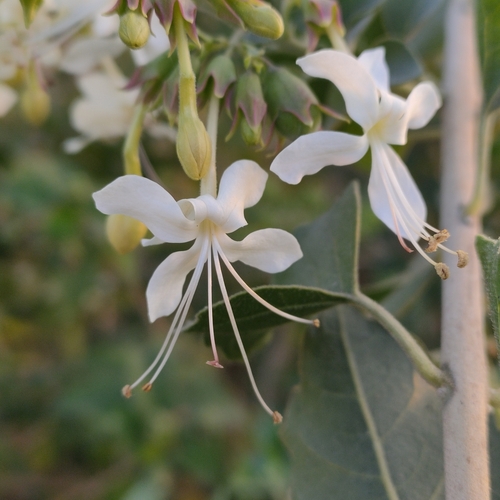
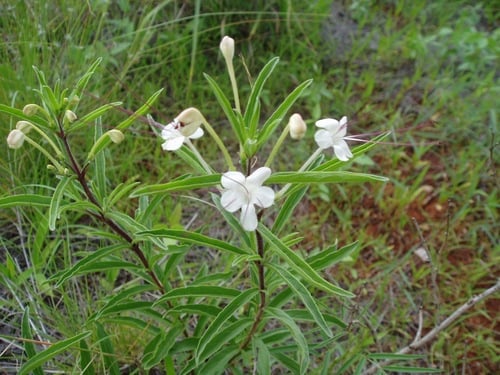
Salvia verticillata subsp. amasica
(Freyn & Bornm.) Bornm.
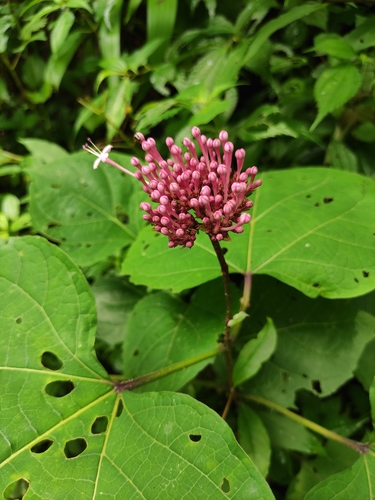
iNaturalist· cc-by-nc
(c) Татьяна Иванкина, some rights reserved (CC BY-NC), uploaded by Татьяна Иванкина
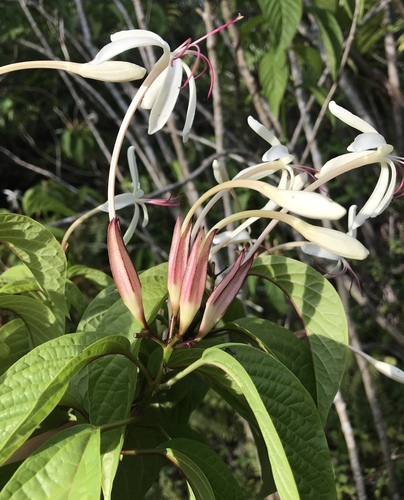
iNaturalist· cc-by-nc
(c) Attila Steiner, some rights reserved (CC BY-NC), uploaded by Attila Steiner
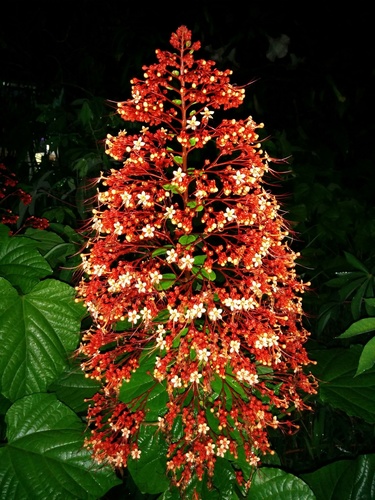
iNaturalist· cc-by
(c) katunchik, some rights reserved (CC BY), uploaded by katunchik
Summary
Source: WikipediaSalvia verticillata, the lilac sage or whorled clary, is a herbaceous perennial native to a wide area ranging from central Europe to western Asia, and naturalized in northern Europe and North America. It was first described by Carl Linnaeus in 1753. Salvia verticillata has a leafy base of mid-green leaves covered with hairs, putting up leaf-covered stems that carry 3 feet (0.91 m) inflorescences. The tiny lavender flowers grow tightly packed in whorls, with tiny lime-green and purple calyces. The specific epithet verticillata refers to the whorls that grow in verticils. A cultivar introduced in the 1990s, 'Purple Rain', is much more showy and long-blooming, growing about 2 feet (0.61 m) tall.
Description
A temperate subspecies of herb in the mint family (Lamiaceae).
This description is brief — help expand it
Edible Uses
The leaves are used for tea drinks.
Traditional Uses
The leaves are used for tea drinks.
This uses section is brief — help expand it
Distribution
It is a temperate plant.
Where It Grows
Turkey, Türkiye,
Synonyms
Also Known As
Karabas
References (1)
- Dogan, A. & Tuzlaci, E., 2015, Wild Edible Plants of Pertek (Tunceli-Turkey). Marmara Pharmaceutical Journal 19: 126-135