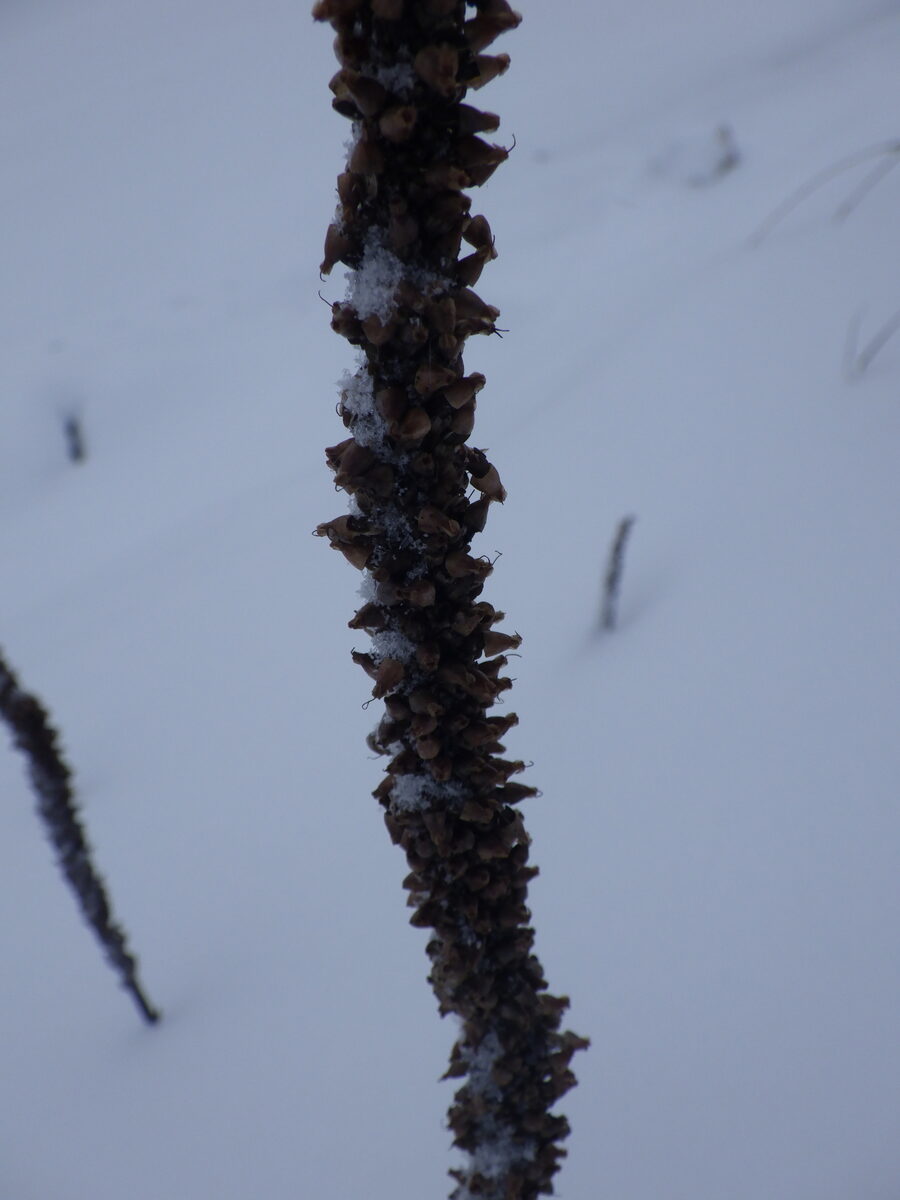
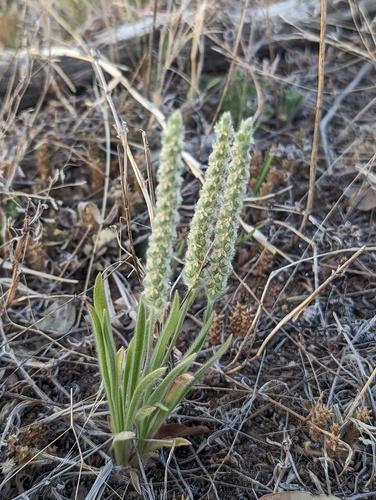
Plantago hakusanensis
Koidz.
wikimedia· cc-by-sa
Wikimedia Commons - Qwert1234
wikimedia· cc-by-sa
Wikimedia Commons - Qwert1234
Summary
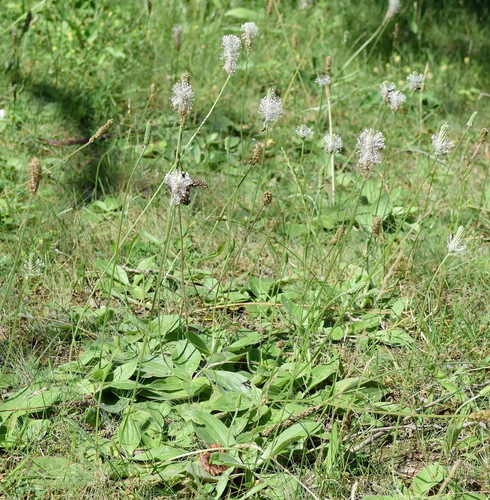
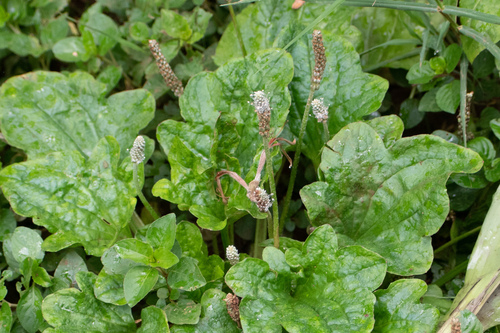
A very compact perennial reaching only 10cm tall. Hermaphroditic and wind-pollinated, self-fertile. Prefers light sandy, medium loamy, and heavy clay soils with good drainage and mildly acidic to basic pH. Requires full sun and moist soil. Tolerates strong winds but not maritime exposure.
Description
A very compact perennial reaching only 10cm tall. Hermaphroditic and wind-pollinated, self-fertile. Prefers light sandy, medium loamy, and heavy clay soils with good drainage and mildly acidic to basic pH. Requires full sun and moist soil. Tolerates strong winds but not maritime exposure.
Edible Uses
Young leaves can be eaten raw or cooked.
Medicinal Uses
The seeds contain up to 30% mucilage, which swells in the gut and acts as a bulk laxative while soothing irritated membranes. The seed husks alone are sometimes used in place of the whole seeds.
Distribution
It is a temperate plant. It grows in mountains.
Where It Grows
Asia, Japan,
Cultivation
We have very little information on this species and do not know if it will be hardy in Britain, though judging by its native habitat it should succeed outdoors in most parts of the country. The following notes are based on the general needs of the genus. Succeeds in any moderately fertile soil in a sunny position.
Propagation
Sow seed in spring in a cold frame. Once seedlings are large enough to handle, prick them out into individual pots and plant out in early summer. If seed is plentiful, a direct outdoor sowing can be made in situ from mid to late spring.
Other Uses
None known.
Notes
The plantains or Plantaginaceae are mostly in temperate regions. There are about 165 Plantago species.
References (1)
- Plants for a Future database, The Field, Penpol, Lostwithiel, Cornwall, PL22 0NG, UK. http://www.scs.leeds.ac.uk/pfaf/