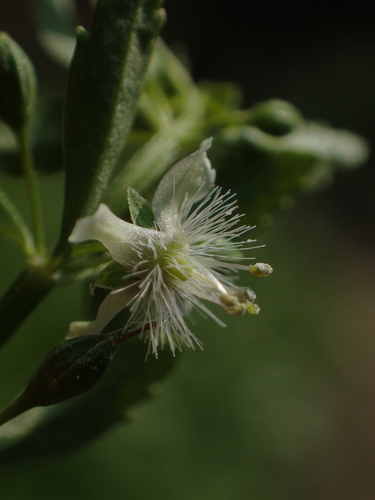
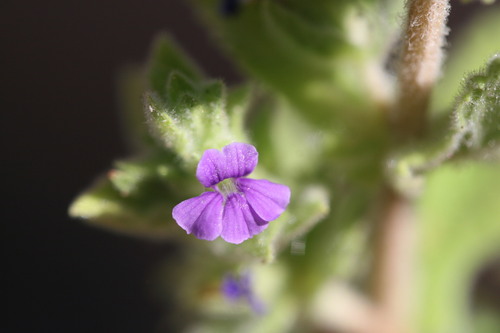
Plantago patagonica
Jacq.
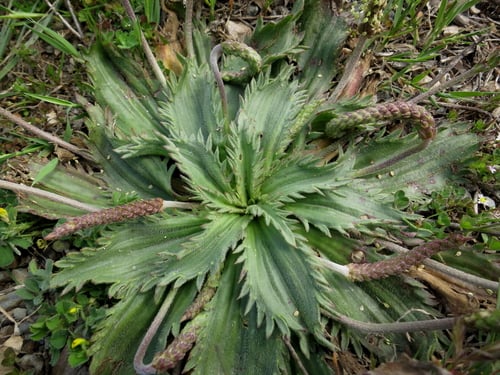
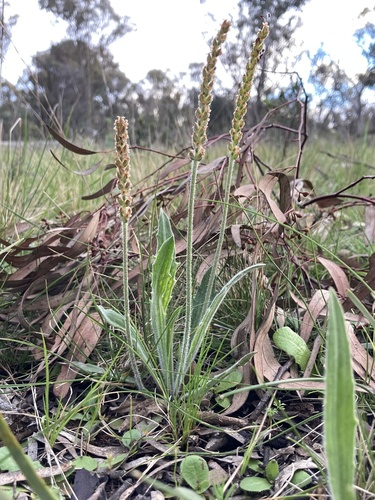
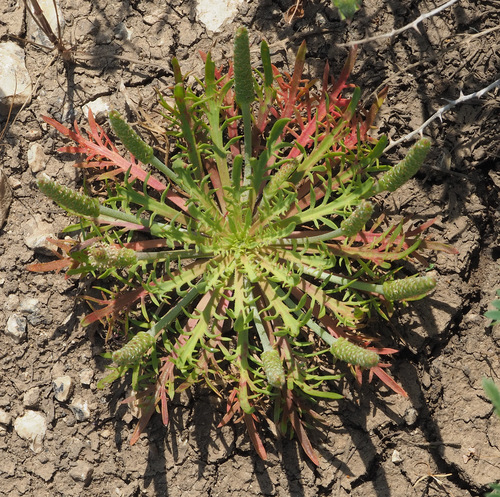
Wooly plantain
iNaturalist· cc-by-nc
(c) Caminantes del Desierto, some rights reserved (CC BY-NC), uploaded by Caminantes del Desierto
iNaturalist· cc-by-nc
(c) Bryce Silver-Bates, some rights reserved (CC BY-NC), uploaded by Bryce Silver-Bates
iNaturalist· cc-by-nc
(c) Tony Palmer, some rights reserved (CC BY-NC), uploaded by Tony Palmer
Summary
Source: WikipediaPlantago patagonica is a species of plantain known by the common name woolly plantain. It is native to much of North America, including the southern half of Canada, the western and central United States, and northern Mexico, and parts of southern South America. It grows in many types of habitat, including grassland, desert and woodlands. It is a hairy annual herb producing linear or very narrowly lance-shaped basal leaves up to 10 centimetres (4 in) long. There are usually many stemlike inflorescences growing erect to a maximum height of around 15 cm (6 in). Atop the peduncle of the inflorescence is a dense cylindrical or somewhat conical spike of several tiny flowers and bracts. The spike is very woolly. Native Americans including the Navajo, Puebloans, and Hopi used this as a medicinal and ceremonial plant. The Navajo and Puebloans use it for headaches, diarrhea, babies' colic, and to reduce appetite and prevent obesity. Woolly plantain is a host species for the Edith's checkerspot butterfly.
Description
A herb. It grows each year from seed. The leaves are 1-21 cm long by 1-4 mm wide.
This description is brief — help expand it
Edible Uses
The seeds are ground and made into a mush; young leaves and stems are boiled and mixed with onions.
Traditional Uses
The seeds are ground and made into a mush. The young leaves and stems are boiled and mixed with onions.
This uses section is brief — help expand it
Distribution
It is a temperate plant. In Argentina it grows from sea level to 2,000 m above sea level.
Where It Grows
Argentina, Mexico, North America, South America*, USA,
Also Known As
Rolokochi
References (2)
- LaRochelle, S. & Berkes F., 2003, Traditional Ecological Knowledge and practice for Edible Wild Plants - Mexico. Int. J. Sustain Dev. World Ecol. 10:361-375 (As Plantago purshii)
- Moerman, D. F., 2010, Native American Ethnobotany. Timber Press. p 417