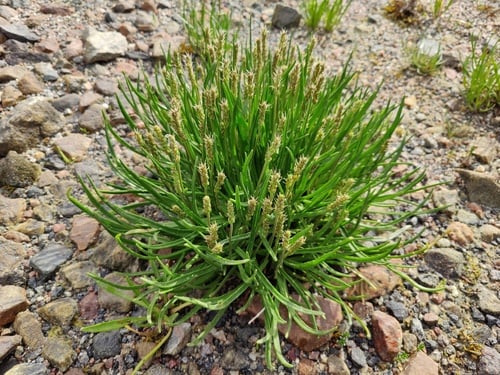
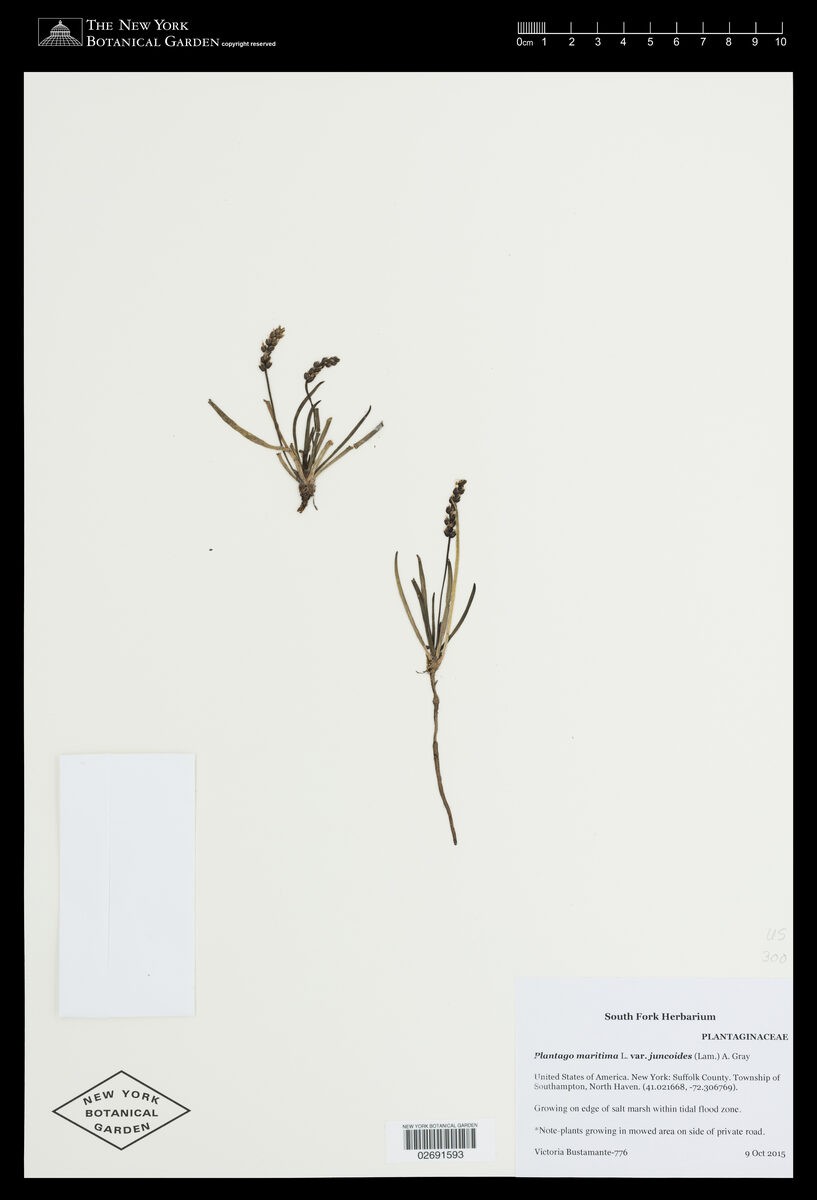
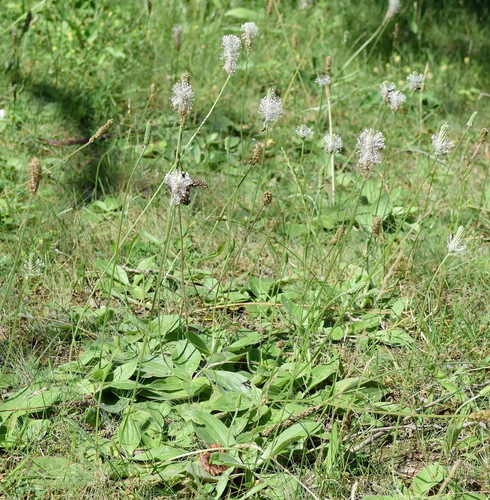
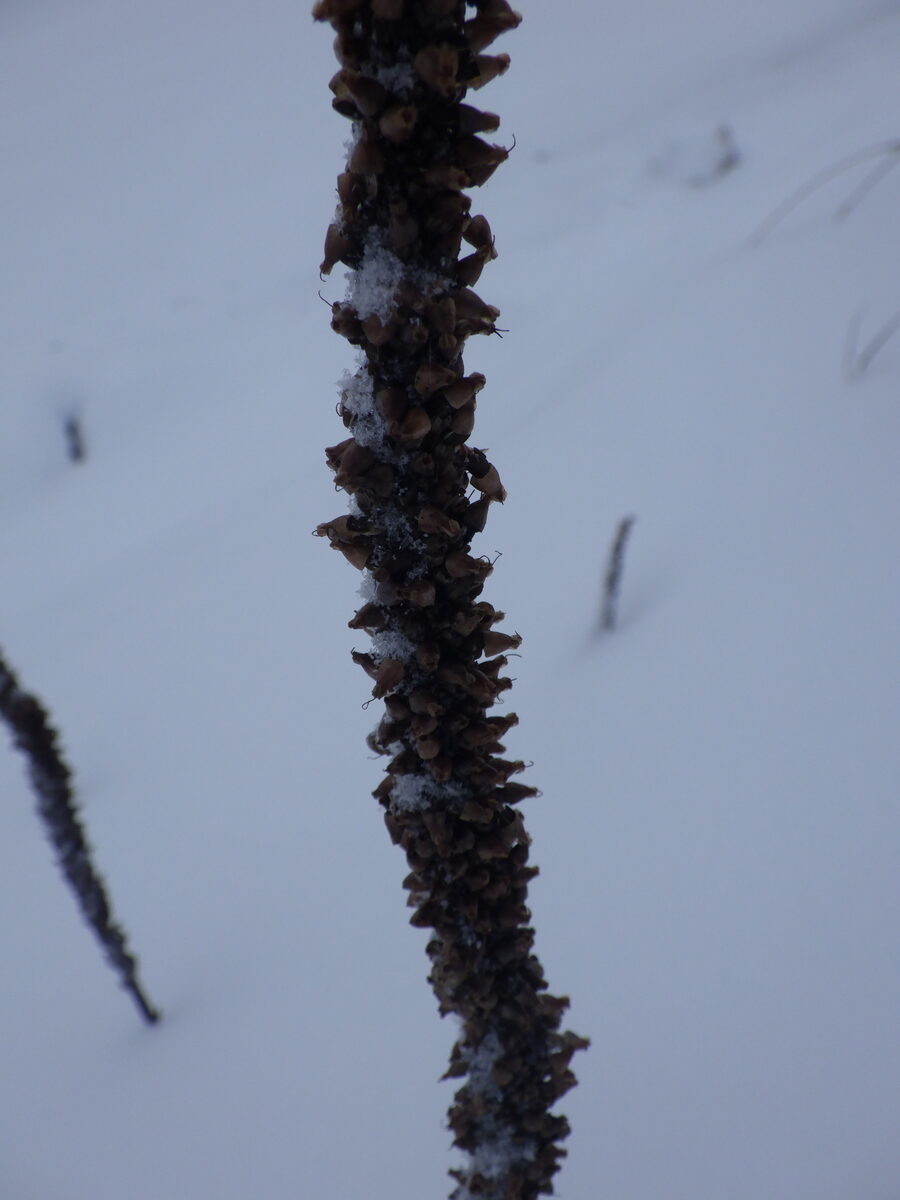
Plantago cunninghamii
Decne
Sago-weed
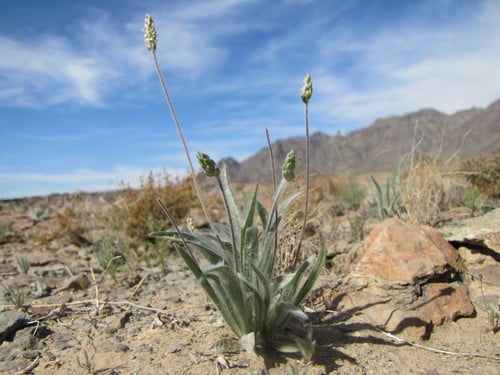
iNaturalist· cc-by-nc
(c) Pete Woodall, some rights reserved (CC BY-NC), uploaded by Pete Woodall
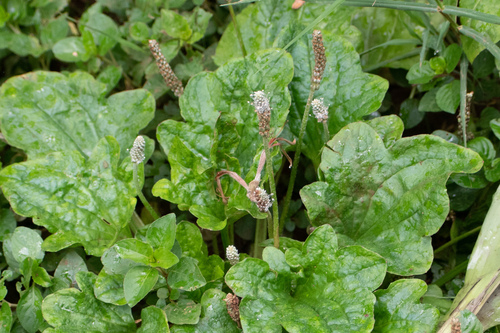
iNaturalist· cc-by-nc
(c) jjudy, some rights reserved (CC BY-NC), uploaded by jjudy
iNaturalist· cc-by-nc
(c) jjudy, some rights reserved (CC BY-NC), uploaded by jjudy
Summary
Source: WikipediaA hermaphroditic plant tolerating light sandy, medium loamy, and heavy clay soils across mildly acidic to mildly alkaline pH ranges. Grows in semi-shade (light woodland) or full sun and prefers moist soil conditions.
Description
A hermaphroditic plant tolerating light sandy, medium loamy, and heavy clay soils across mildly acidic to mildly alkaline pH ranges. Grows in semi-shade (light woodland) or full sun and prefers moist soil conditions.
Edible Uses
None known.
Medicinal Uses
None known.
Distribution
It is a temperate plant.
Where It Grows
Australia*,
Cultivation
193123
Other Uses
None known.
Notes
The plantains or Plantaginaceae are mostly in temperate regions. There are about 165 Plantago species.
References (2)
- Lazarides, M. & Hince, B., 1993, Handbook of Economic Plants of Australia, CSIRO. p 192
- Low, T., 1991, Wild Food Plants of Australia. Australian Nature FieldGuide, Angus & Robertson. p 97