Beccariella macrocarpa
(P. Royen) Swenson, Bartish & Munzinger
Big-leaf Planchonella, Big-leaf Coondoo, Pink boxwood
wikimedia· cc0
Poyt448 Peter Woodard (via Wikimedia Commons)
Description
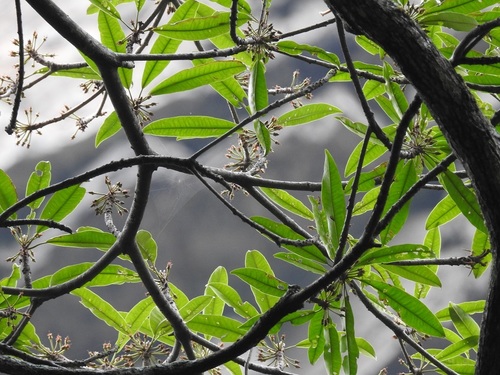
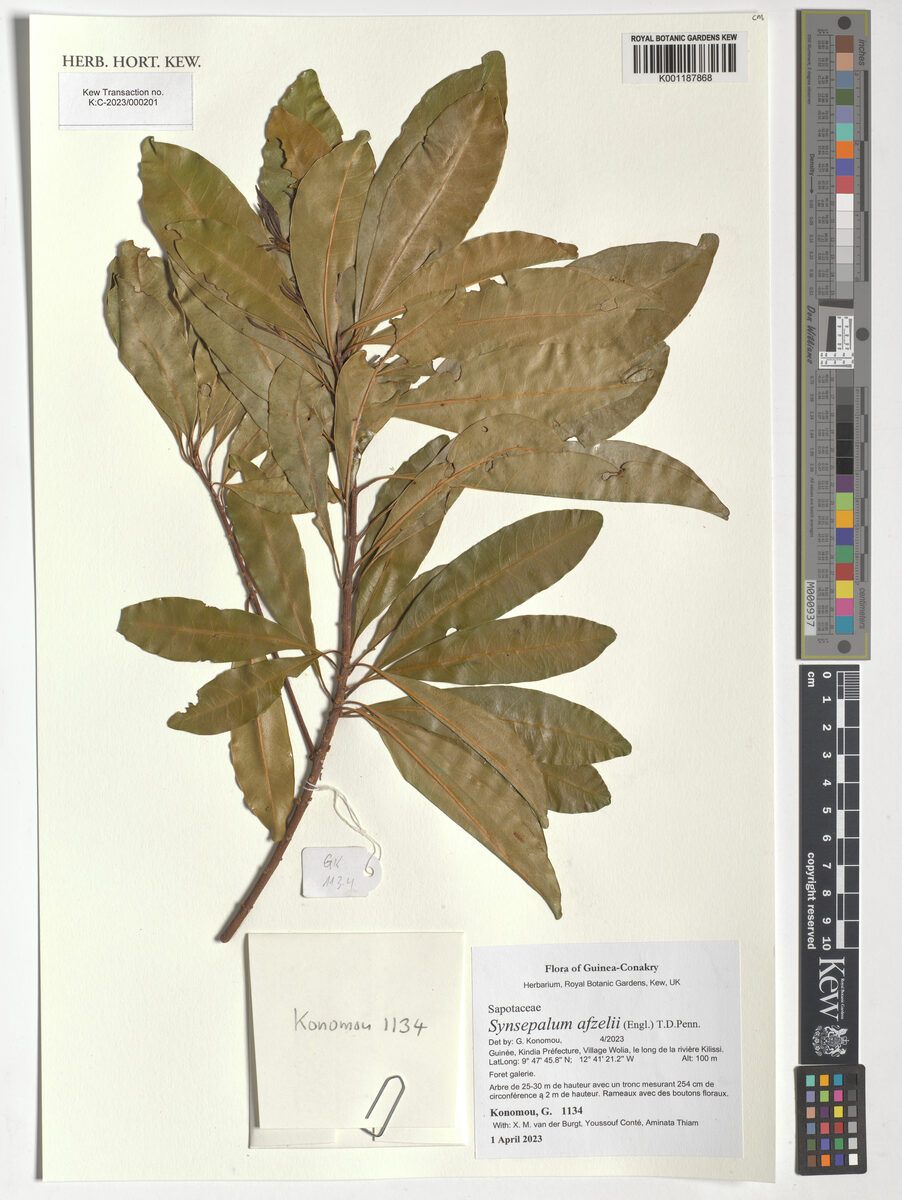
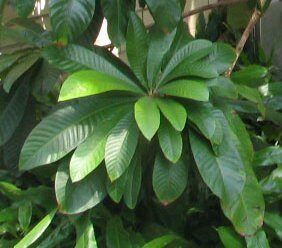
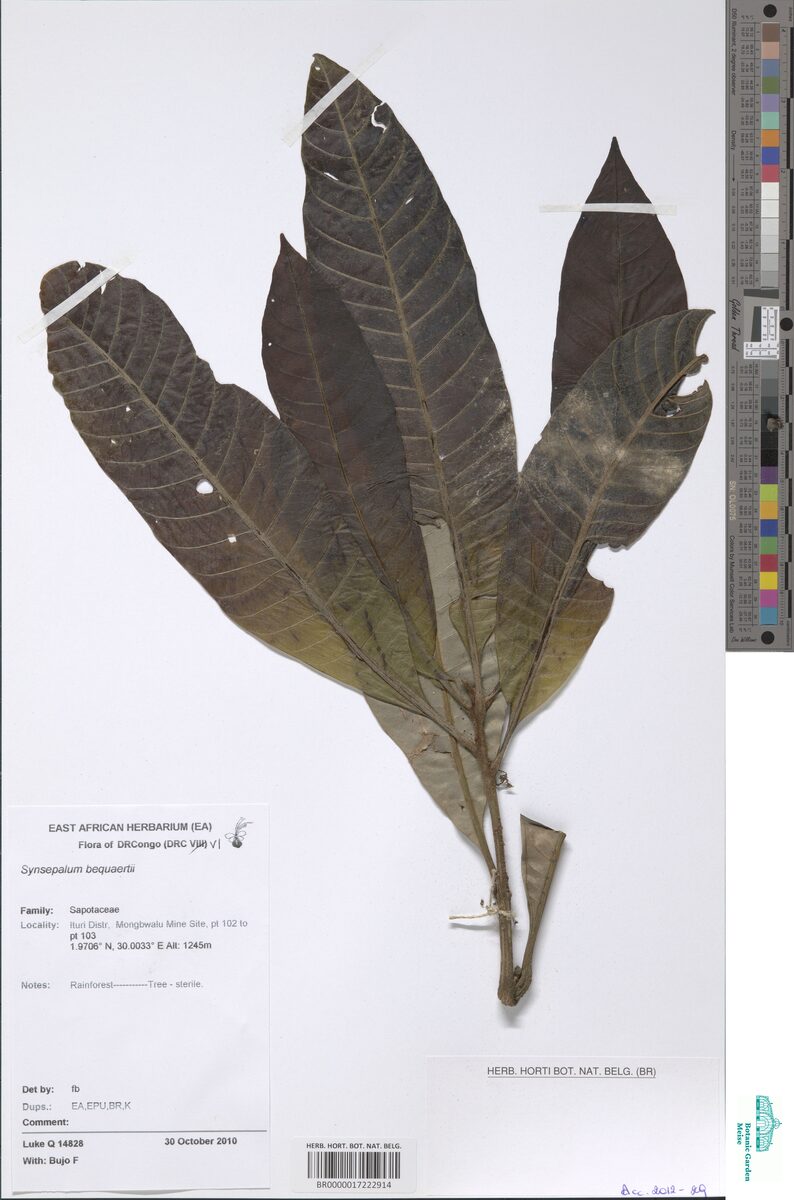
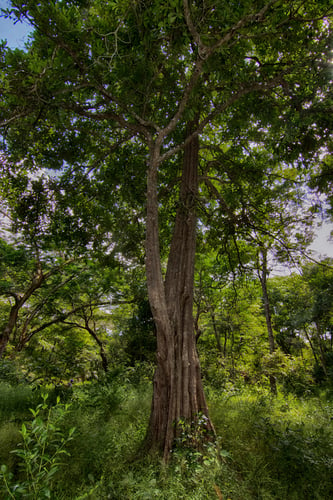
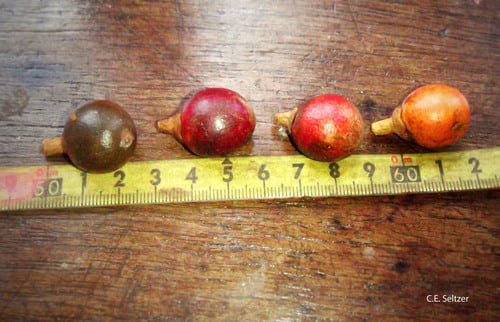
A tall tree. It grows 12-20 m high and spreads 10-15 m wide. Young growth is hairy. The leaves are simple and 6-20 cm long by 5-7 cm wide. They are alternate or in rings. They are crowded near the ends of small branches. They are thick and leathery. They are smooth and dark green and dull above and shiny underneath. Broken leaves and twigs exude milky latex. The fruit are 50-60 mm long by 35-45 mm wide. They occur singly or in small bunches. They grow in the axils of leaves or from mature branches. The cut fruit are very sticky. There are 1-3 seeds and these are 35-40 mm long by 15-18 mm wide and 9-12 mm thick. The flesh is edible in small amounts.
Edible Uses
The fruit flesh is edible in small amounts.
Distribution
A tropical plant. It grows in subtropical and warm temperate regions. They grow naturally in the foothills of the rainforest in NE Queensland in Australia. It grows between 150-1300 m altitude.
Where It Grows
Australia*,
Cultivation
Plants can be grown from fresh seed.
Notes
There are about 100 Planchonella species. They are mostly in Asia and the Pacific.
Synonyms
References (3)
- Cooper W & Cooper W T, 1994, Fruits of the Rain Forest. RD Press p 226 (As Planchonella macrocarpa)
- Cooper, W. and Cooper, W., 2004, Fruits of the Australian Tropical Rainforest. Nokomis Editions, Victoria, Australia. p 511 (As Pouteria pearsoniorum)
- Elliot, W.R., & Jones, D.L., 1997, Encyclopedia of Australian Plants suitable for cultivation. Vol 7. Lothian. p 357 (As Planchonella macrocarpa)