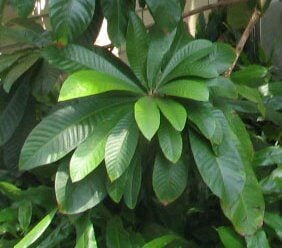
Bumelia lanuginosa - (Michx.)Pers.
(Michx.)Pers.
Chittamwood
gbif· cc-by-nc
Arizona State University Vascular Plant Herbarium (ASU-Plants)
gbif· cc-by-nc
Eastern Illinois University, Stover-Ebinger Herbarium (EIU-)
gbif· cc-by
The New York Botanical Garden
Description
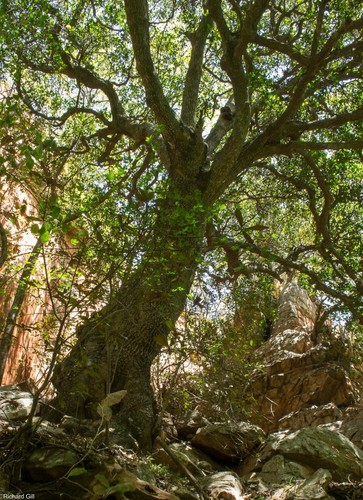
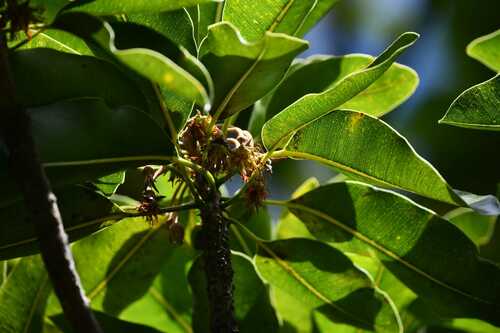
Bumelia lanuginosa is a deciduous Tree growing to 15 m (49ft 3in). See above for USDA hardiness. It is hardy to UK zone 6. It is in flower from July to August, and the seeds ripen in October. The species is hermaphrodite (has both male and female organs). Suitable for: light (sandy), medium (loamy) and heavy (clay) soils and prefers well-drained soil. Suitable pH: mildly acid, neutral and basic (mildly alkaline) soils and can grow in saline soils. It cannot grow in the shade. It prefers moist soil. The plant can tolerate maritime exposure.
Edible Uses
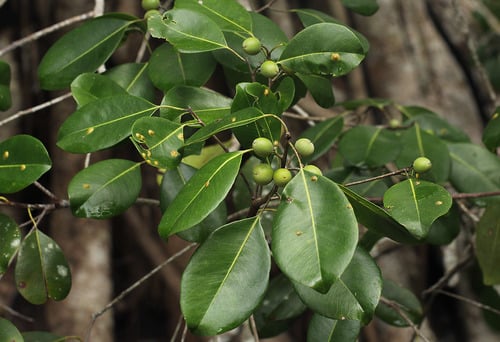
Gum. Fruit - usually pickled. Not very tasty according to one report whilst another says that large quantities can cause stomach upsets. The fruit is between 1 - 2cm in diameter. A clear viscid gum is obtained from the cut wood. It also exudes freely from wounds on the trunk and branches. The dried and ground up bark is used like chicle as a chewing gum.
Distribution
South-eastern N. America - Florida to Texas and Mexico.
Where It Grows
NORTHERN AMERICA: United States (Kansas, Missouri, Oklahoma, Alabama, Arkansas, Florida, Louisiana, Mississippi, New Mexico, Texas, Arizona), Mexico (Coahuila de Zaragoza, Nuevo León, Tamaulipas)
Cultivation
Succeeds in a warm sunny site in any freely draining moderately fertile soil. Tolerates salt spray. This species is probably hardy in the milder areas of the country. Another report says that plants are cut back by temperatures below about -15°c but that they can regenerate freely from the base. The flowers are an excellent source of honey.
Propagation
Seed - we have no details on this species but would suggest that if ripe seed can be obtained it should be sown straight away in a cold greenhouse. Stored seed can be sown in late winter or early spring in a greenhouse. When large enough to handle, prick the seedlings out into individual pots and grow them on in the greenhouse for at least their first winter, planting them out into their permanent positions in late spring or early summer, after the last expected frosts.
Other Uses
Gum Gum Shelterbelt Wood. Wood - heavy, rather soft, not strong, close grained. It weighs about 40lb per cubic foot. Used for tool handles, cabinet making etc.