Spondias radlkoferi
Donn. Sm
Radlkofer mombin
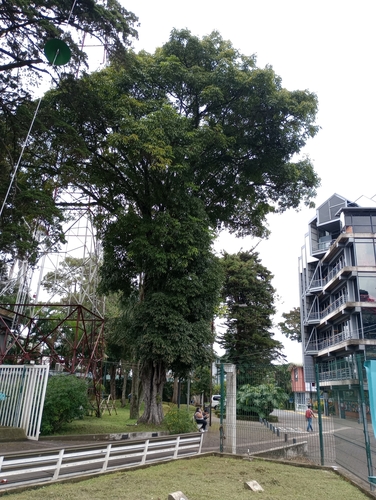
iNaturalist· cc-by
(c) Tereso Hernández Morales, some rights reserved (CC BY)
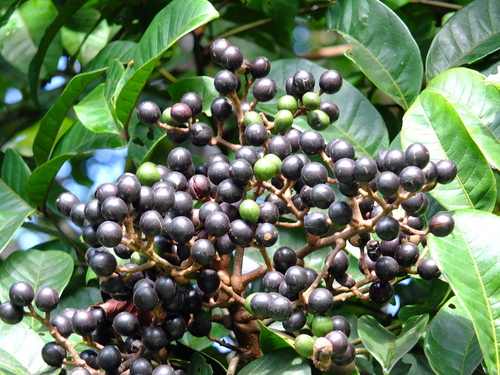
iNaturalist· cc-by-nc
(c) Adam Lloyd, some rights reserved (CC BY-NC)
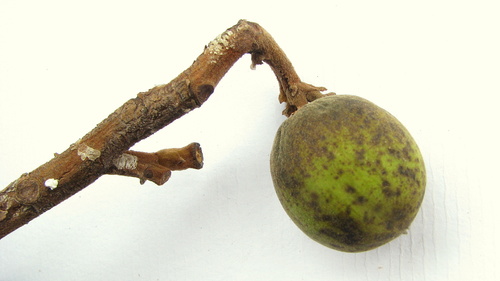
iNaturalist· cc-by-nc
(c) Adam Lloyd, some rights reserved (CC BY-NC)
Summary
Source: WikipediaSpondias radlkoferi is a species of flowering plant in the cashew family, Anacardiaceae. It is found from southern Mexico to north-western Venezuela in riparian borders and secondary growth forests. Several species of Neotropical bats in the genus Dermanura are responsible for dispersing many of its seeds.
Description
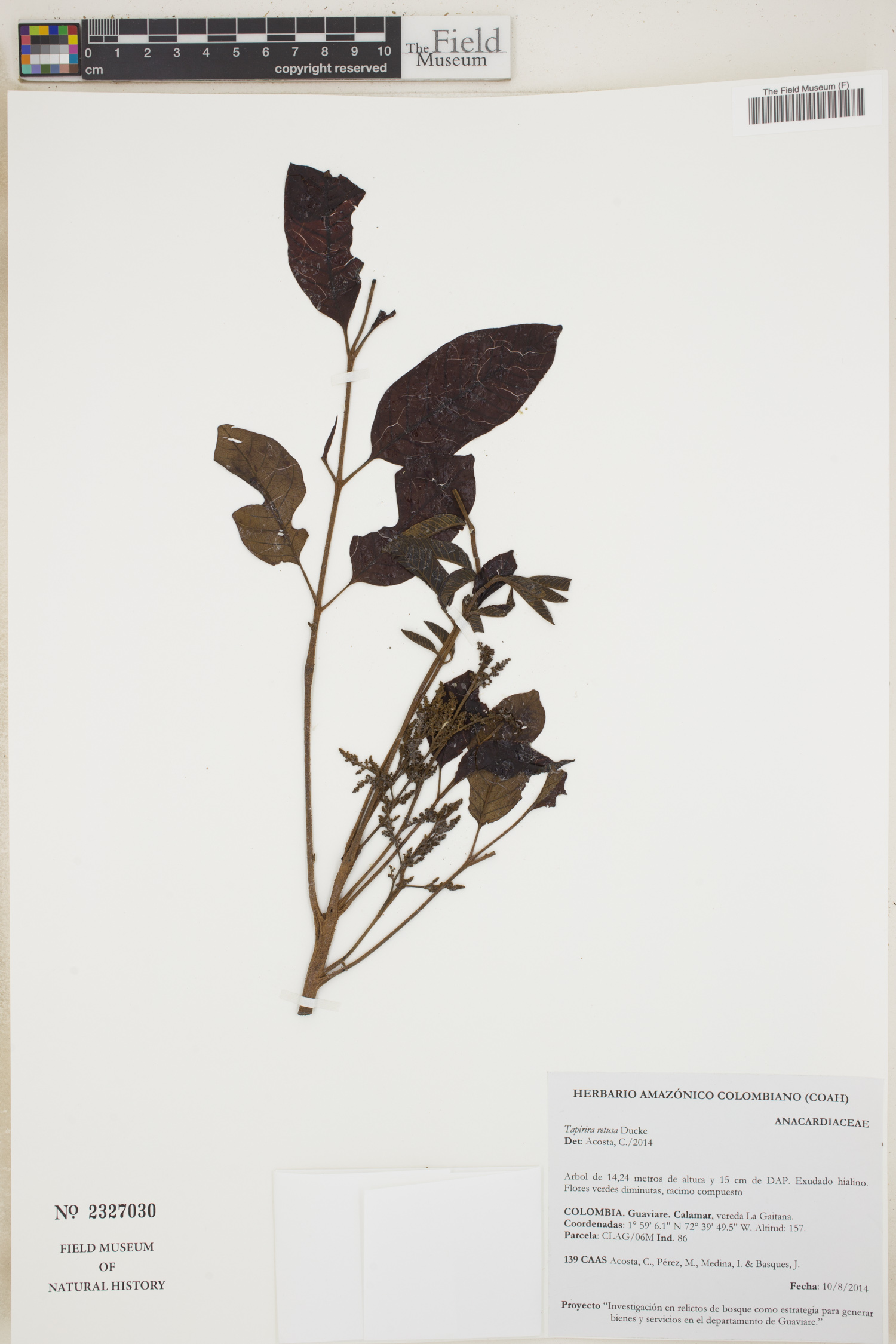
A tree. It has smooth grey bark with cracks along it. It is similar to mombin. The fruit are 3-4 cm across. They are green or black when ripe.
This description is brief — help expand it
Edible Uses
The fruit is eaten.
Distribution
It is a tropical plant. It grows in secondary forests.
Where It Grows
Amazon, Andes, Belize, Central America, Colombia, Costa Rica, Ecuador, El Salvador, Guatemala, Honduras, Mexico, Nicaragua, North America, Panama, Peru, South America, Venezuela,
Other Information
It is also cultivated.
Nutrition
| Part | Moisture | kJ | kcal | Protein | Vit A | Vit C | Iron | Zinc |
|---|---|---|---|---|---|---|---|---|
| Fruit | 0 | — | — | 11.7 | — | — | — | — |
Synonyms
Also Known As
Ho-bo, Hu-hu, Kanu, Ushun, Sapena, Taperiba, Tapisho sacha, Ushum
References (8)
- Condit, R., et al, 2011, Trees of Panama and Costa Rica. PrincetonField Guides. p 36
- Croat, T. B., 1974, Biotropica 6(2): 135-137
- Grandtner, M. M., 2008, World Dictionary of Trees. Wood and Forest Science Department. Laval University, Quebec, Qc Canada. (Internet database http://www.wdt.qc.ca)
- Grandtner, M. M. & Chevrette, J., 2013, Dictionary of Trees, Volume 2: South America: Nomenclature, Taxonomy and Ecology. Academic Press p 626
- Ibarra-Manriquez, G., et al, 1997, Useful Plants of the Los Tuxtlas Rain Forest (Veracruz, Mexico): Considerations of Their Market Potential. Economic Botany 51(4) pp 362-376
Show all 8 references Hide references
- Lopez-Diago, D. & Garcia, N., 2021, Wild edible fruits of Colombia. Biota ColomBiana 22 (2) p 28
- Roa, J. A. G. & Boada, D. S. G., 2018, Fundación para el Fortalecimiento de la Fruticultura y Plantas Alimenticias no Convencionales en Colombia.
- Vael, L., 2015, Ethnobotanical study of the plant use in the natural landscape of two mestizo communities in the Ucayali region of the Peruvian Amazon. Universiteit Gent.