Orobanche aegyptiaca
(Hook. f. & Thomas ex Hook. f.) Walp.
Egyptian broomrape
iNaturalist· cc-by-nc
(c) yishay, some rights reserved (CC BY-NC)
iNaturalist· cc-by
(c) Nasser Halaweh, some rights reserved (CC BY)
iNaturalist· cc-by
(c) Nasser Halaweh, some rights reserved (CC BY)
Summary
Source: WikipediaOrobanche aegyptiaca, the Egyptian broomrape, is a plant which is an obligate holoparasite from the family Orobanchaceae with a complex lifecycle. This parasite is most common in the Middle East and has a wide host range including many economically important crops. Selective control of Egyptian broomrape is extremely difficult because the close association between host crop and parasite limits the use of most mechanical and herbicidal approaches.
Description
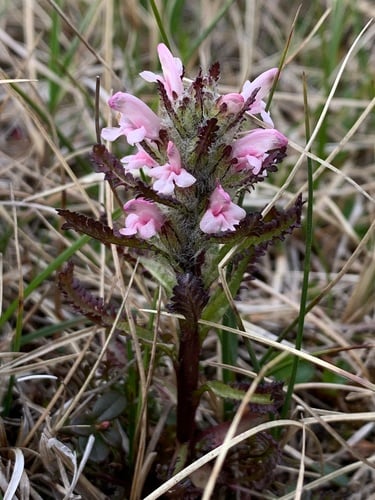
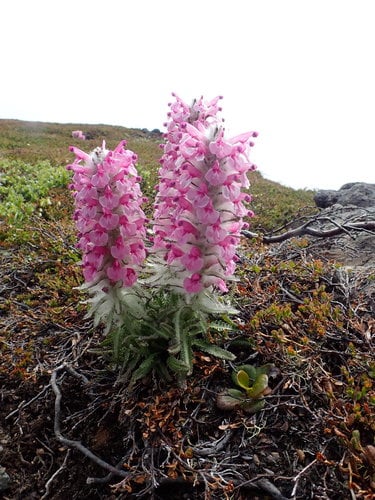
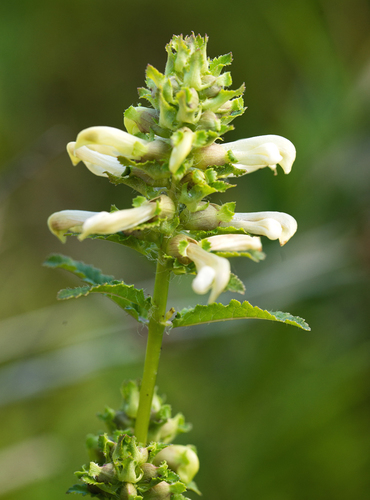
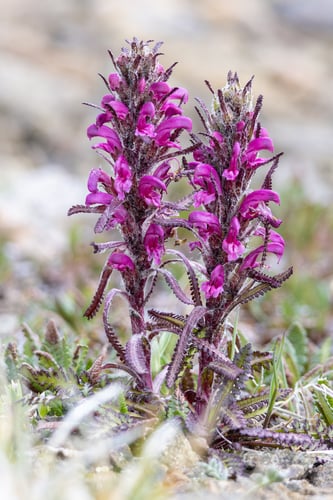
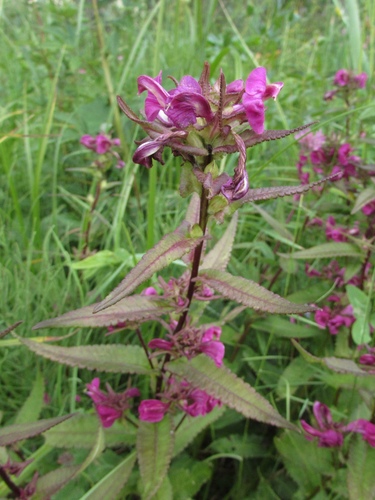
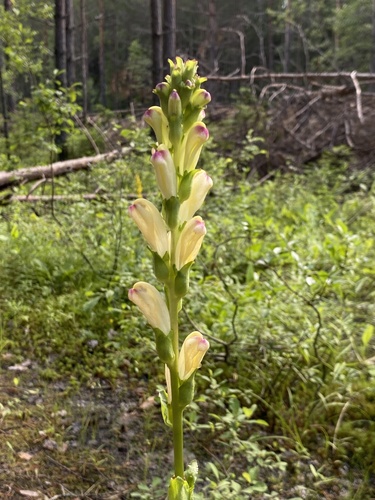
A herb which grow attached to other plants. The stems are usually branched and swollen at the base. The leaves are scales and oval. The flowers are 20-35 mm long. They are blue or purple with white patches in the mouth. The anthers are densely hairy.
Edible Uses
The flower stem is the edible portion, traditionally removed and dried, then ground into flour and mixed with barley flour. The plant can also be eaten raw or boiled.
Traditional Uses
The flower stalk is removed and dried. It is reduced to flour and mixed with barley flour. The plant is also eaten raw or boiled.
This uses section is brief — help expand it
Distribution
It grows on various crop plants like potatoes, maize, peas, beans and cucumbers. Also in watermelon. In western China it grows in fields between 100-1,400 m above sea level.
Where It Grows
Afghanistan, Africa, Arabia, Asia, Bangladesh, Central Asia, China, Egypt, Himalayas, India, Kazakhstan, Kyrgyzstan, Mediterranean, Middle East, Nepal, North Africa, Pakistan, Russia, Tajikistan, Tunisia, Turkey, Türkiye, Turkmenistan, Uzbekistan,
Production
Phelypæa aegyptiaca (Hook. f. & Thomas ex Hook. f.) Walp. Tunisia: the floral stem is removed at a point beneath the flower. Being starchy, it is dried, reduced to a flour and then mixed with barley flour. The Chambaa and the Touareg eat the plant raw or boiled. It is considered diuretic. Ref. BOUQUET.
Synonyms
References (3)
- Blamey, M and Grey-Wilson, C., 2005, Wild flowers of the Mediterranean. A & C Black London. p 416
- BOUQUET (As Phelypaea aegyptiaca)
- Flora of Pakistan. www.eFloras.org