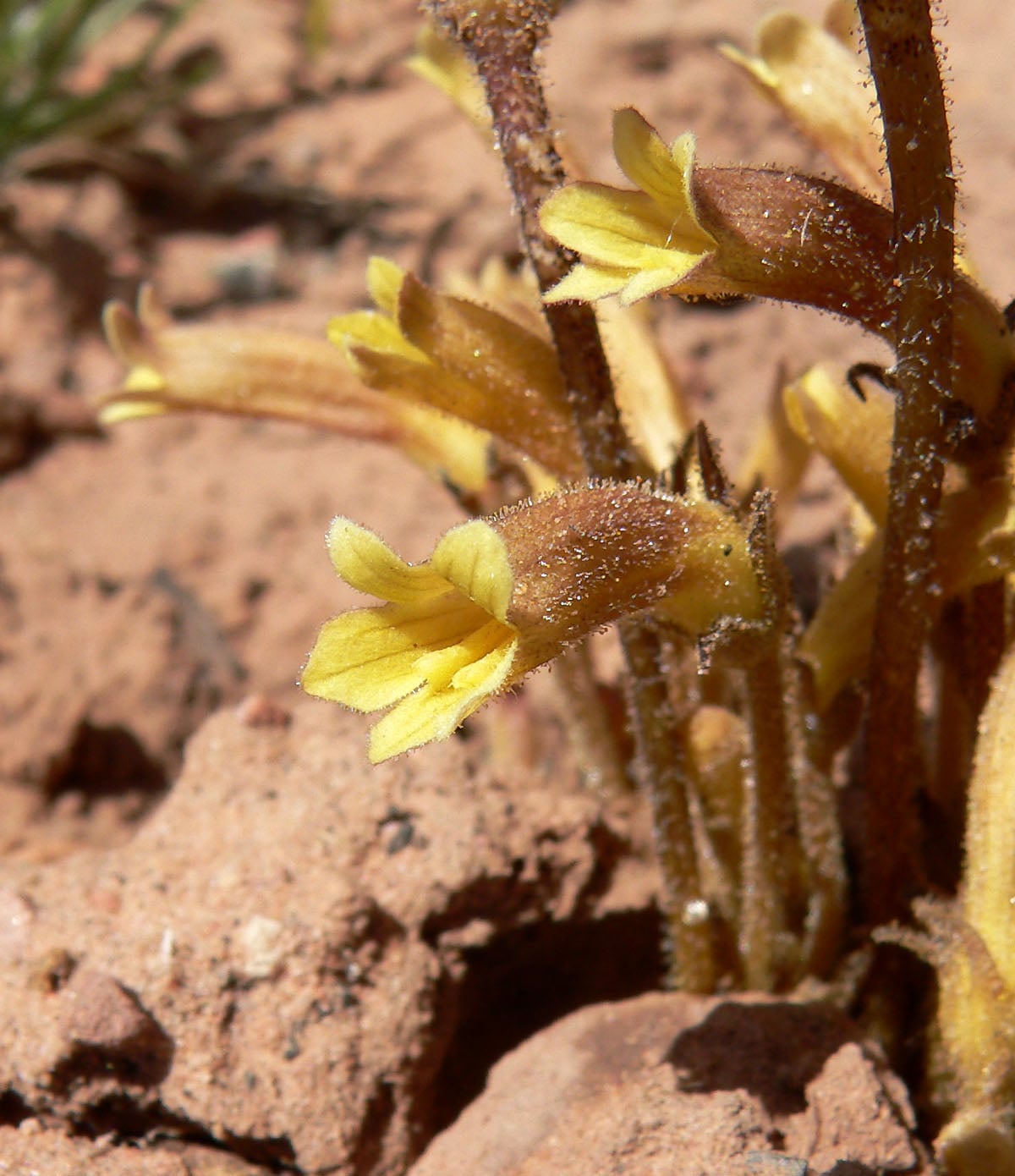
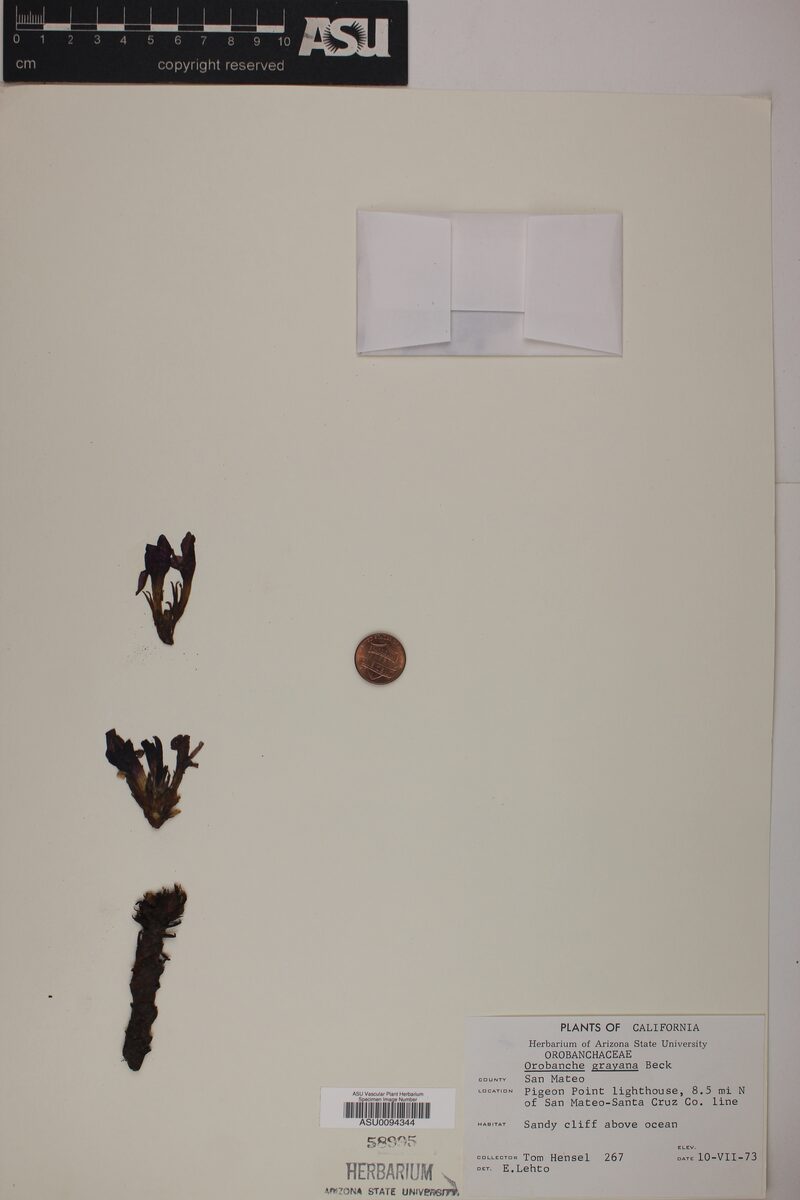
Castilleja lineata
Greene
Marsh-Meadow Paintbrush
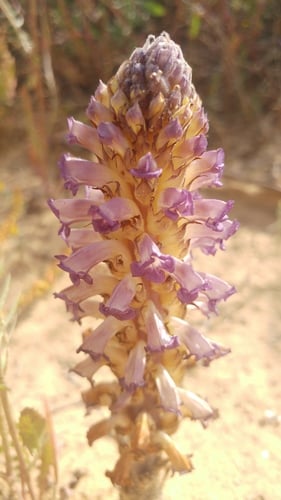
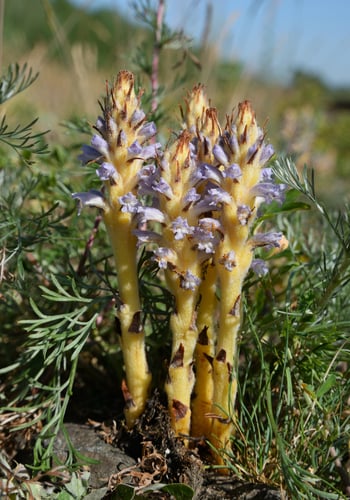
iNaturalist· cc-by-nc
(c) Steve Ganley, some rights reserved (CC BY-NC), uploaded by Steve Ganley
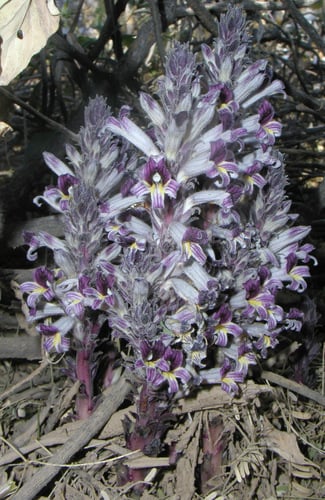
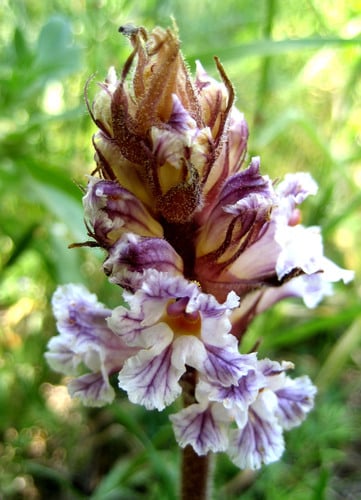
iNaturalist· cc-by-nc
(c) Steve Ganley, some rights reserved (CC BY-NC), uploaded by Steve Ganley
Description
Castilleja lineata is a PERENNIAL growing to 0.6 m (2ft) by 0.4 m (1ft 4in) at a medium rate. See above for USDA hardiness. It is hardy to UK zone 4. The flowers are pollinated by Hummingbirds, bees, . It is noted for attracting wildlife. Suitable for: light (sandy), medium (loamy) and heavy (clay) soils. Suitable pH: mildly acid, neutral and basic (mildly alkaline) soils. It cannot grow in the shade. It prefers moist or wet soil and can grow in water.
Edible Uses
Edible Uses & Rating: Only corollas may be eaten, and only sparingly. Marsh or riparian soils may accumulate heavy metals or agricultural runoff, raising additional concerns. Edibility rating is very low. Taste, Processing & Kitchen Notes: Corollas are mildly sweet but usually not as pleasant as drier-habitat species. Bracts and calyces taste bitter or resinous and are not recommended. Seasonality (Phenology): Blooms June–August. Corollas are harvestable during peak flowering. Safety & Cautions (Food Use): Risk of selenium accumulation plus potential uptake of aquatic toxins. Do not consume from unknown habitats. Harvest & Processing Workflow: Same as other species: gently extract corollas. Avoid bracts and calyces. Traditional / Indigenous Use Summary: Very limited records exist; some groups occasionally tasted flowers for sweetness. Look-Alikes: Resembles C. miniata but grows in wetter sites and often has narrower inflorescences. Overall Plant Summary & Edibility: Beautiful wetland plant but unsuitable for foraging except theoretical corolla tasting. Edible rating: Very Low.
Known Hazards
Risk of selenium accumulation plus potential uptake of aquatic toxins. Do not consume from unknown habitats.
Distribution
Found primarily in the Rocky Mountains, including Colorado, Utah, Idaho, Montana, and Wyoming.
Where It Grows
US. USA. Arizona, Colorado, New Mexico
Cultivation
Growing Conditions: Prefers moist meadows, marsh edges, streamside seepages, and subalpine wet ground. Hardy to USDA Zone 3–7. Habitat & Range: Found primarily in the Rocky Mountains, including Colorado, Utah, Idaho, Montana, and Wyoming. Grows at mid- to high-elevations where moisture persists. Size & Landscape Performance: Grows 30–60 cm tall with a 30 cm spread. Prefers cool climates. Cultivation (Horticulture): Very difficult to cultivate due to its hemiparasitic nature and preference for wet habitats. Requires a moisture-tolerant host such as sedges (Carex) or wet-meadow grasses. Pests & Problems: Flooding, competition with sedges, and fungal diseases are common. Drought quickly reduces vigor.
Propagation
From seed only; requires cold stratification and proximity to host roots.
Other Uses
Ecology & Wildlife: Pollinated largely by hummingbirds and long-tongued bees. Wetland insects also visit flowers. Provides nectar but limited forage value due to chemical accumulation.
Synonyms
Also Known As
Marsh Meadow Paintbrush (Castilleja lineata), Marsh Paintbrush