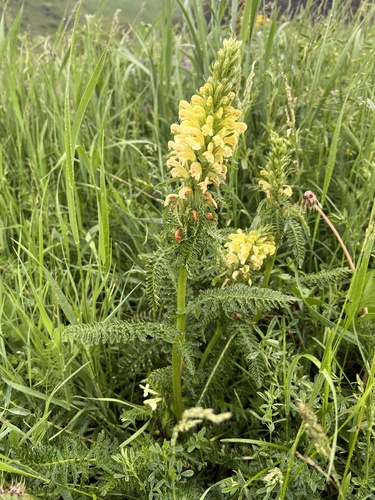
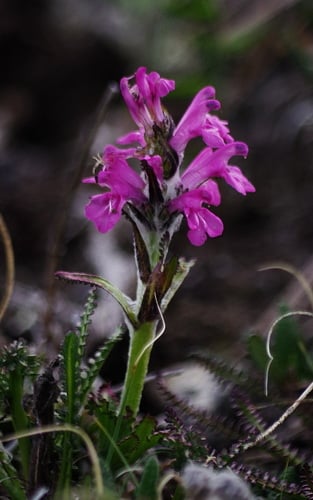
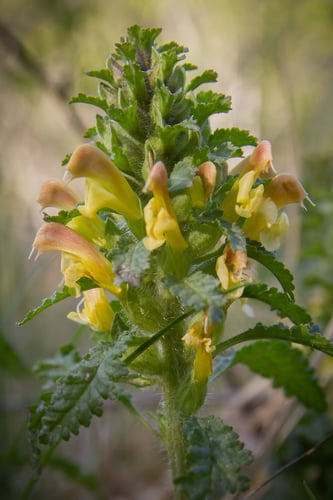
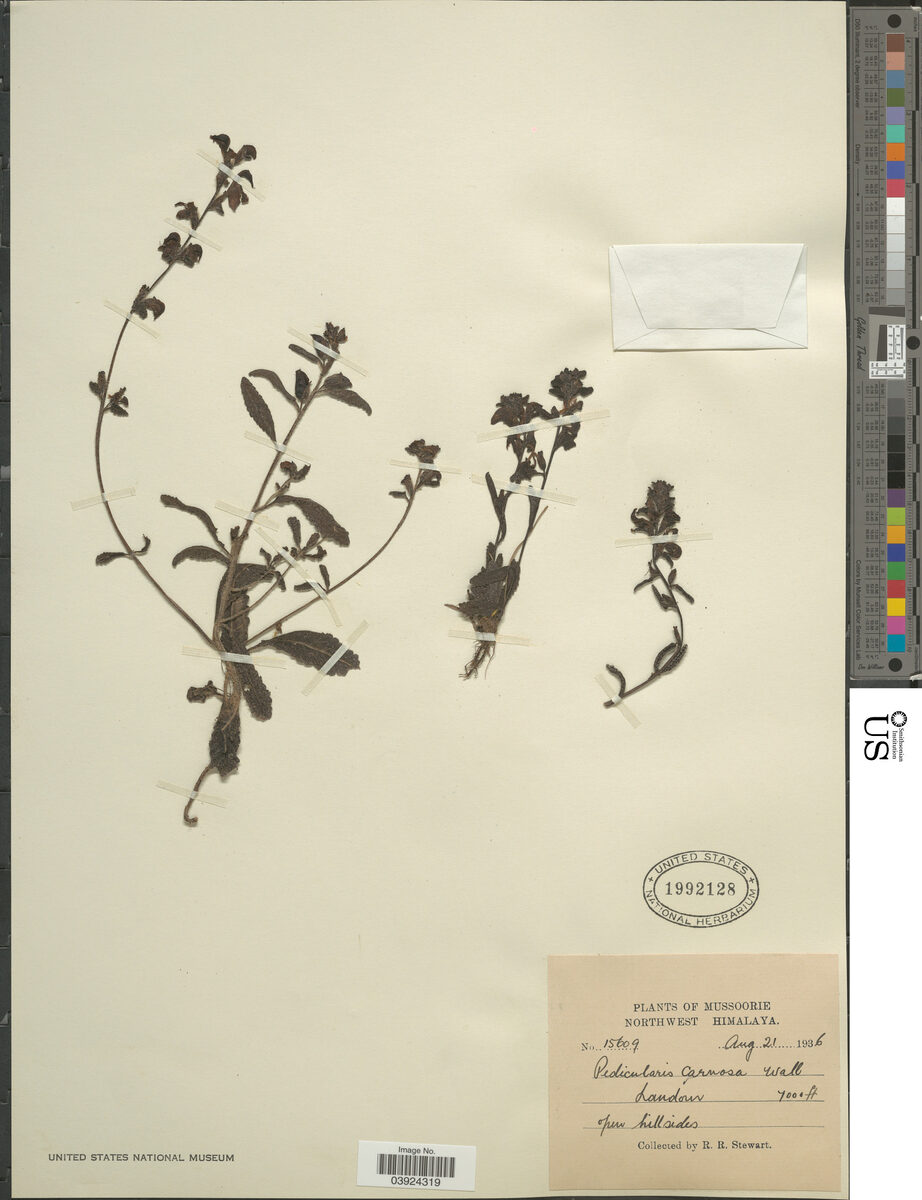
Castilleja sessiliflora
Pursh
Downy Paintedcup
iNaturalist· cc-by-nc
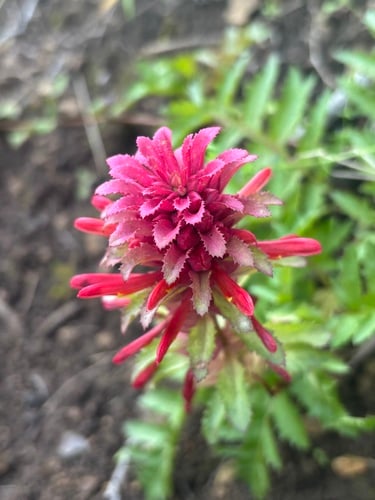
(c) Joey Santore, some rights reserved (CC BY-NC), uploaded by Joey Santore
iNaturalist· cc-by
(c) Alison Northup, some rights reserved (CC BY), uploaded by Alison Northup
iNaturalist· cc-by-nc-sa
(c) Peter Gorman, some rights reserved (CC BY-NC-SA)
Description
Castilleja sessiliflora is a PERENNIAL growing to 0.3 m (1ft) by 0.2 m (0ft 8in) at a medium rate. See above for USDA hardiness. It is hardy to UK zone 4. The flowers are pollinated by Hummingbirds, bees, Insects. It is noted for attracting wildlife. Suitable for: light (sandy) and medium (loamy) soils, prefers well-drained soil and can grow in nutritionally poor soil. Suitable pH: mildly acid, neutral and basic (mildly alkaline) soils. It cannot grow in the shade. It prefers dry or moist soil.
Edible Uses
Edible Uses & Rating: Edible uses are confined to corollas, which may contain mild sweetness. The plant’s low stature produces small quantities of flowers, making it unsuitable for significant harvest. Overall edible rating: Very Low. Taste, Processing & Kitchen Notes: Corollas are mildly sweet but less flavorful than other species. Bracts taste resinous or bland and are not worthwhile. Nectar infusion is possible but low yield. Seasonality (Phenology): Blooms April–July, depending on latitude and moisture availability.
Known Hazards
Potential for selenium accumulation, though typically in lower amounts than montane species. Corollas only, and sparingly.
Distribution
Widespread across the Great Plains, extending into Colorado, New Mexico, Kansas, Nebraska, Oklahoma, and Texas.
Where It Grows
US. USA. Alberta, Arizona, Colorado, Illinois, Iowa, Kansas, Manitoba, Mexico Northeast, Mexico Northwest, Mexico Southwest, Minnesota, Missouri, Montana, Nebraska, New Mexico, North Dakota, Oklahoma, Saskatchewan, South Dakota, Texas, Wisconsin, Wyoming
Cultivation
Growing Conditions: Prefers dry prairies, sandy plains, shortgrass steppe, and rocky hillsides. Requires a host plant for vigor. USDA Zone 3–8. Habitat & Range: Widespread across the Great Plains, extending into Colorado, New Mexico, Kansas, Nebraska, Oklahoma, and Texas. Size & Landscape Performance: Grows 10–40 cm tall, spreading slowly to 20–30 cm. Forms loose mats or short clusters. Cultivation (Horticulture): Difficult to cultivate except in ecological restorations with native grasses (e.g., blue grama, needle-and-thread). Soil must be lean and well-drained. Pests & Problems: Drought tolerant but declines under competition. Susceptible to root rot if over-watered. Identification & Habit: A perennial herb 10–40 cm tall, often sprawling rather than upright. Leaves are narrow, linear, and may be covered in fine hairs. Bracts are subdued in color compared to western red paintbrushes. Flowers occur in dense spikes; corollas are elongated and pale green.
Propagation
Seed with cold stratification. Must establish near host roots.
Other Uses
A charming low-growing Great Plains wildflower with minimal edible application and moderate ecological importance. Ecological restorations. Ecology & Wildlife: Pollinated by bees, hawk moths, and occasionally hummingbirds, though less attractive to them than red-bracted species. Provides nectar to insects of open plains.
Synonyms
Also Known As
Great Plains Indian Paintbrush, Downy Paintedcup, Indian Paintbrush (Castilleja sessiliflora)