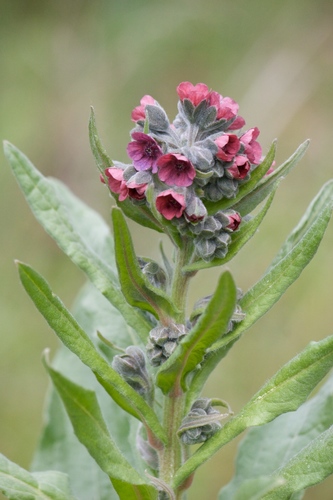
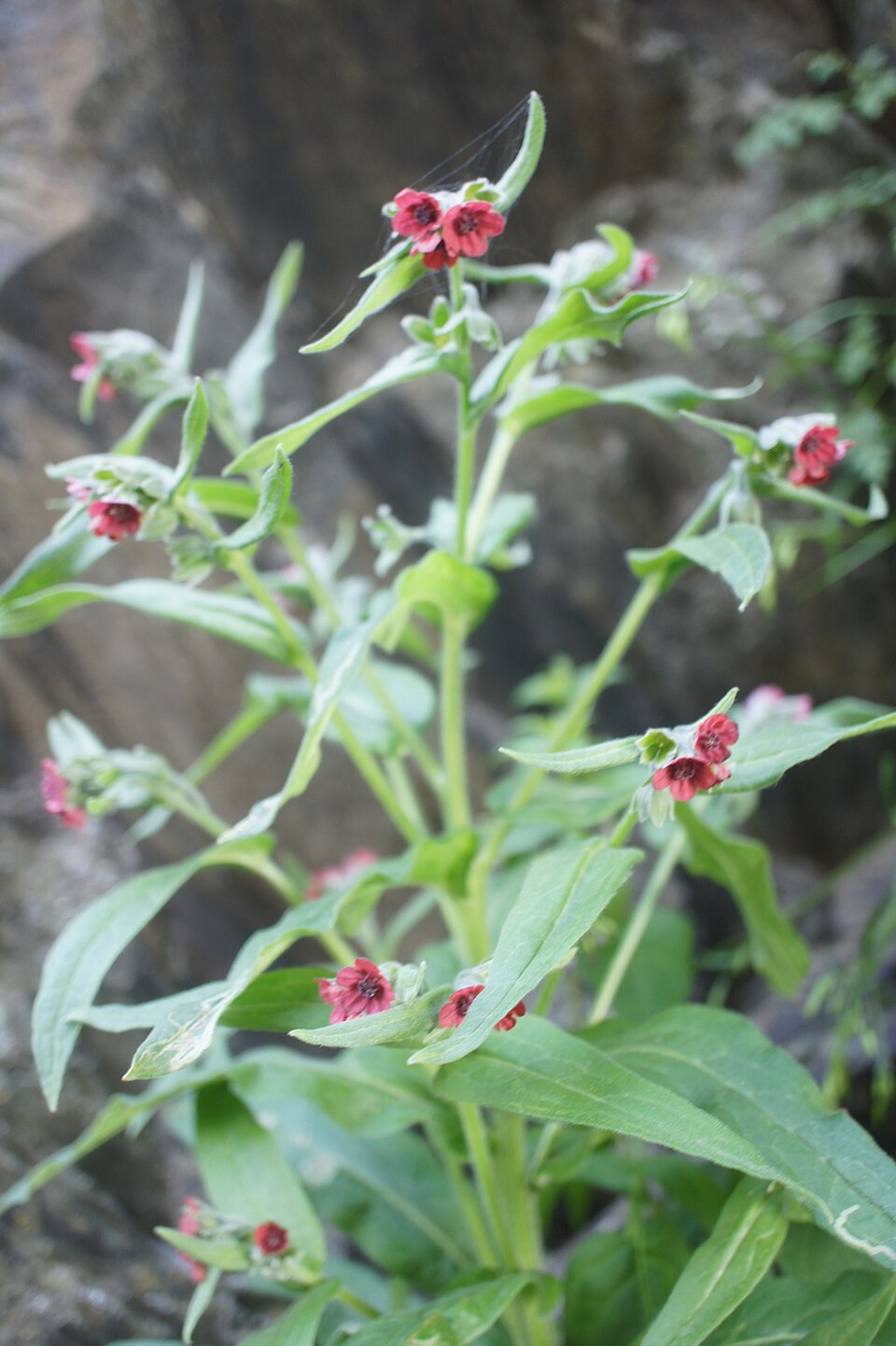
Amsinckia tessellata
A. Gray
Bristly fiddleneck
iNaturalist· cc-by
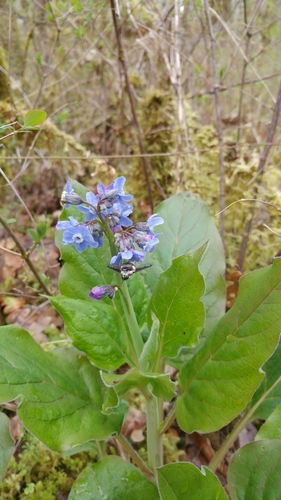
(c) Matt Lavin, some rights reserved (CC BY)
iNaturalist· cc-by
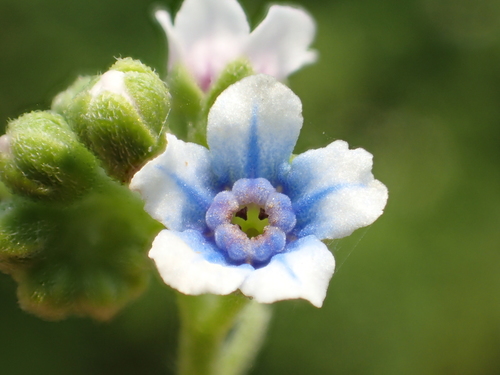
(c) Matt Lavin, some rights reserved (CC BY)
iNaturalist· cc-by
(c) Matt Lavin, some rights reserved (CC BY)
Description
A bristly annual herb native to dry regions of western North America and parts of Argentina, growing 20–60 cm tall with coiled inflorescences of yellow flowers.
Edible Uses
Both the leaves and seeds of Amsinckia tessellata have been eaten by Native American groups, though both should be considered unsafe for modern foraging. Like all fiddlenecks, this species contains pyrrolizidine alkaloids (PAs) — cumulative liver toxins that survive cooking and drying. The Kawaiisu Indians of southern California boiled the leaves and ate them as a spring vegetable, while the Pima Indians of southern Arizona ate them raw. Boiled leaves taste mild and spinach-like, though the texture becomes mushy and gritty. The Gosiute of Utah and Nevada ate the seeds; these small, hard nutlets are bitter and medicine-like in flavour — unpleasant even before accounting for their toxicity. In other members of the genus, seeds are dried, ground into a powder, and formed into cakes eaten raw. As with most Boraginaceae, seeds likely ripen unevenly and fall from the plant individually when mature, making any harvest tedious and time-consuming. Leaves were sometimes prepared by bruising them between the hands before eating with salt. Edibility rating: 1/5.
Medicinal Uses
No documented medicinal uses are recorded, likely owing to the plant's toxicity.
Known Hazards
Contains pyrrolizidine alkaloids (PAs), which are cumulative liver toxins not destroyed by cooking or drying.
Distribution
It is a temperate plant. In Argentina it grows from sea level to 500 m above sea level.
Where It Grows
Argentina, Chile, North America, South America, USA,
Propagation
Sow seed in late spring directly in situ.
Other Uses
Provides early-season pollen and nectar for pollinators. Also contributes to soil stabilization on disturbed sites by rapidly covering bare ground.
Synonyms
References (3)
- Beckstrom-Sternberg, Stephen M., and James A. Duke. "The Foodplant Database." http://probe.nalusda.gov:8300/cgi-bin/browse/foodplantdb.(ACEDB version 4.0 - data version July 1994)
- Plants for a Future, The Field, Penpol, Lostwithiel, Cornwall, PL22 0NG, UK. http://www.scs.leeds.ac.uk/pfaf/
- Proc. Amer. Acad. Arts 10:54. 1874