Lithospermum ruderale
Douglas.
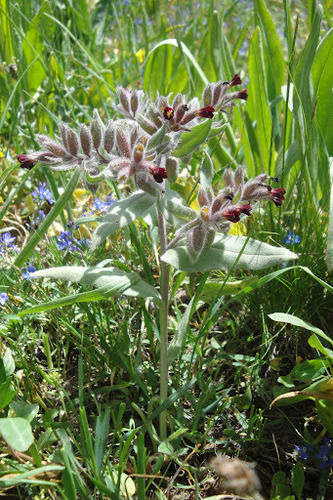
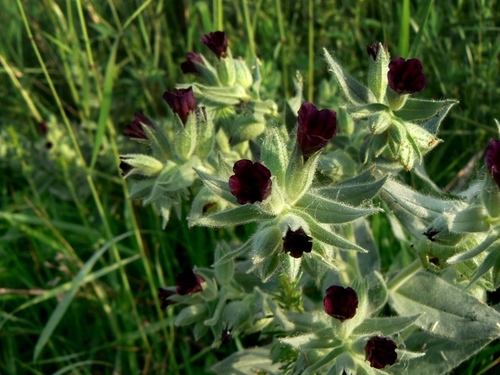
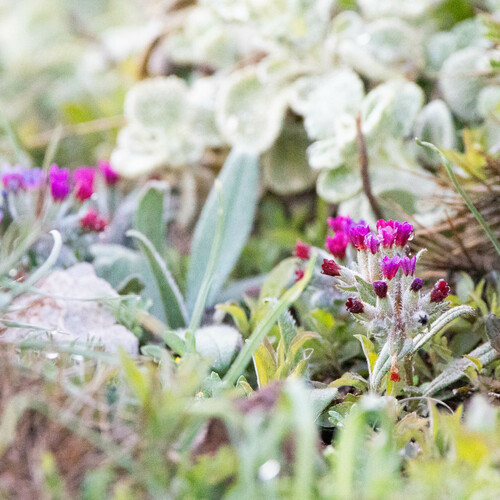
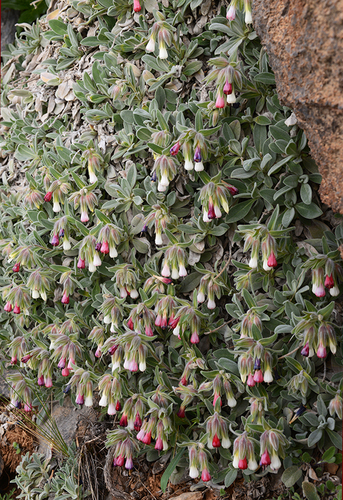
Western Gromwell, Western Stoneseed
iNaturalist· cc-by-nc
(c) Flathead Lake State Park, some rights reserved (CC BY-NC), uploaded by Flathead Lake State Park
iNaturalist· cc-by-sa
(c) Matt Lavin, some rights reserved (CC BY-SA)
iNaturalist· cc-by-sa
(c) Matt Lavin, some rights reserved (CC BY-SA)
Description
Lithospermum ruderale is a PERENNIAL growing to 0.8 m (2ft 7in). See above for USDA hardiness. It is hardy to UK zone 4. The species is hermaphrodite (has both male and female organs) and is pollinated by Insects. Suitable for: light (sandy), medium (loamy) and heavy (clay) soils and prefers well-drained soil. Suitable pH: mildly acid, neutral and basic (mildly alkaline) soils. It cannot grow in the shade. It prefers dry or moist soil.
Edible Uses
The seeds have been used for food.
Medicinal Uses
Antirheumatic Astringent Contraceptive Diuretic KidneyAn infusion or decoction of the root has been used as a diuretic in the treatment of kidney complaints and also to treat internal haemorrhaging, diarrhoea etc. A poultice of the dried powdered leaves and stems has been used to relieve the pain of rheumatic joints. Some N. American Indian women drank a cold water infusion of the roots daily for six months to ensure permanent sterility. Alcoholic extracts of the plant have been shown to eliminate the oestrus cycle and decrease the weight of the thymus and pituitary glands.
Distribution
Western N. America - British Columbia to California.
Where It Grows
NORTHERN AMERICA: Canada (Alberta (south), British Columbia (south)), United States (Colorado, Idaho, Oregon, Washington, California (north), Nevada, Utah)
Cultivation
Prefers a sunny position in a moderately fertile well-drained soil.
Propagation
Seed - sow spring in a cold frame. When they are large enough to handle, prick the seedlings out into individual pots and grow them on in the greenhouse for their first winter. Plant them out into their permanent positions in late spring or early summer, after the last expected frosts. Cuttings. Division.
Other Uses
Beads Dye. The plant has been used as a dye and body paint. No more details are given in the report, but it is likely that the root is used and the colour is some shade of red. The hard, white, shiny seeds have been used as beads.