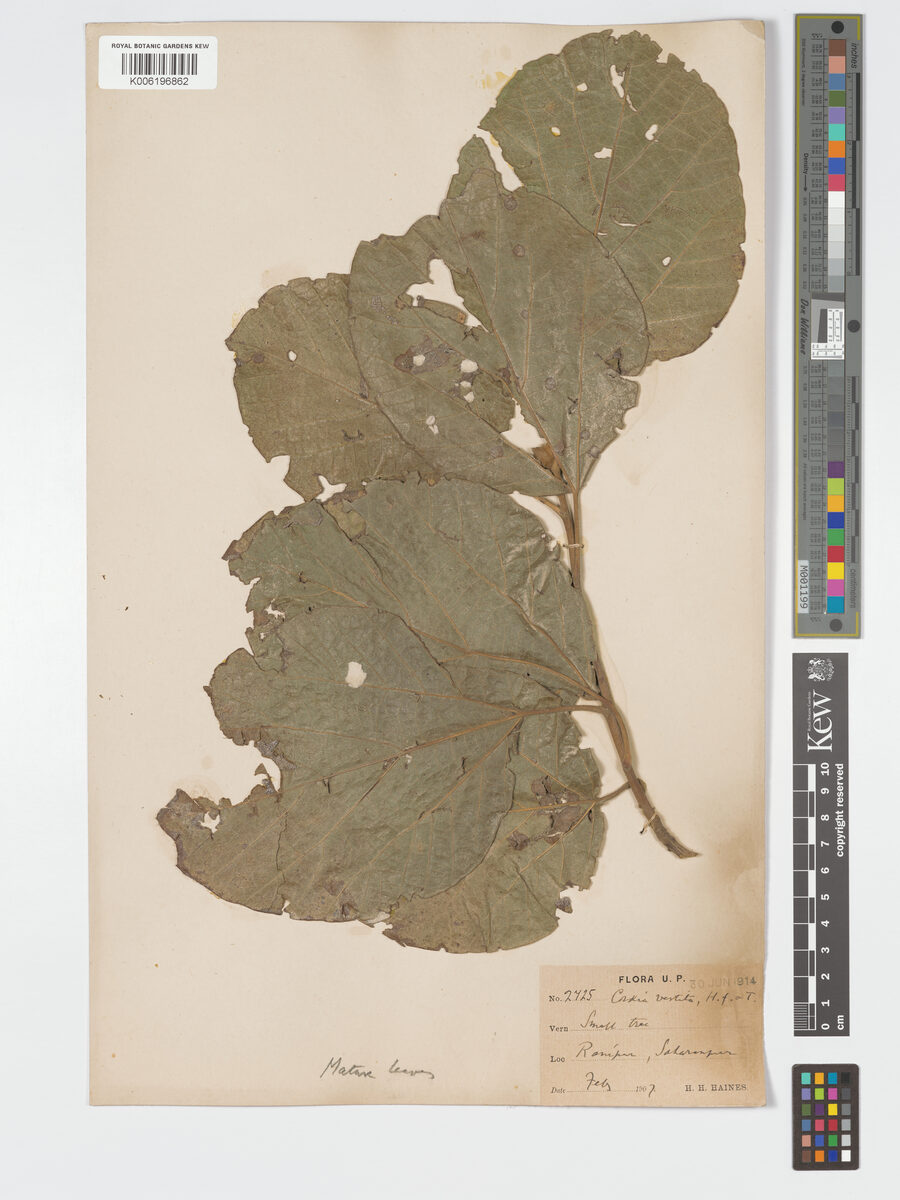
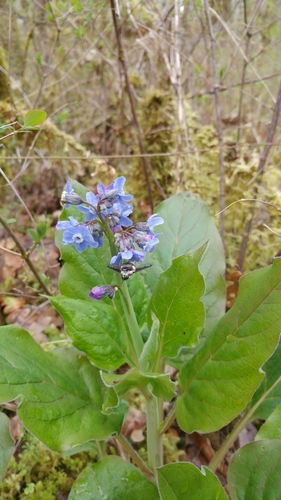
Lithospermum officinale
L.
Gromwell, Bohemian tea, Croatian tea
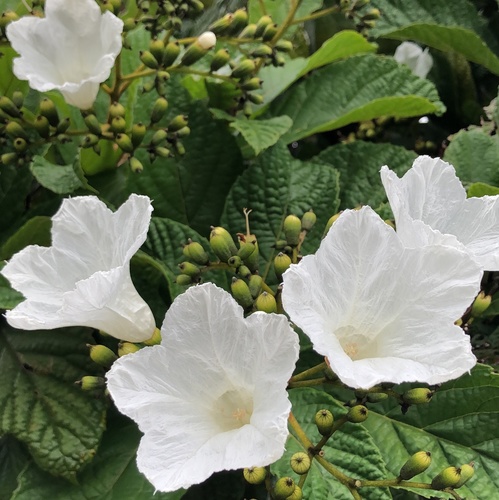
iNaturalist· cc-by-nc
(c) Christian Grenier, some rights reserved (CC BY-NC), uploaded by Christian Grenier
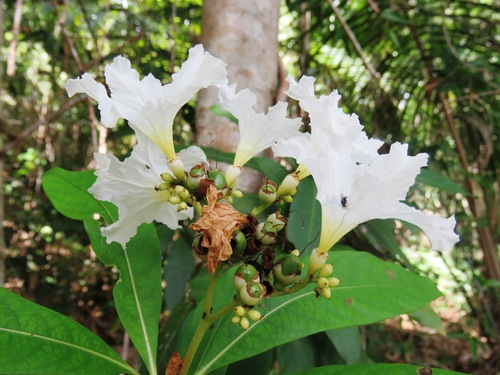
iNaturalist· cc-by-nc
(c) Léo-Guy de Repentigny, some rights reserved (CC BY-NC), uploaded by Léo-Guy de Repentigny
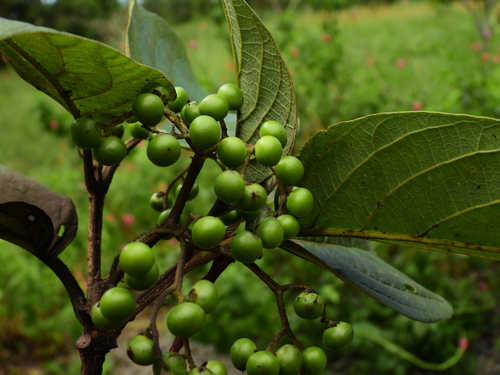
iNaturalist· cc-by-nc
(c) Felix Riegel, some rights reserved (CC BY-NC), uploaded by Felix Riegel
Summary
Source: WikipediaLithospermum officinale, or common gromwell or European stoneseed, is a flowering plant species in the family Boraginaceae, native to Eurasia. It is the host plant for caterpillars of the monophagous moth Ethmia dodecea.
Description
A herb. It keeps growing from year to year. It grows 80 cm tall. The stems are usually branched. The leaves are 6-7 cm long by 1-2 cm wide. They are broadly sword shaped. The flowers have short stalks and leafy bracts. The fruit are nutlets 3-4 mm long.
Edible Uses
The leaves are used as a tea substitute.
Traditional Uses
The leaves are used as a substitute for tea.
This uses section is brief — help expand it
Medicinal Uses
The mature seeds are diuretic, lithontripic, and oxytocic. Ground into a powder, they are used to treat bladder stones, arthritis, and febrile conditions. An infusion of the leaves acts as a sedative. The root is depurative. A syrup made from a decoction of the root and stems is used to treat eruptive diseases such as smallpox, measles, and itch. All parts of the plant contain a substance that inhibits secretion of the pituitary gonadotrophic hormone, and extracts of the herb possess contraceptive properties.
Distribution
It is a temperate plant. It can grow in a range of soils. It is best with moist, well-drained soil. It grows on meadow slopes and the edges of forests in north China. In Argentina it grows at 800 m above sea level. It is hardy to hardiness zone 6.
Where It Grows
Afghanistan, Andorra, Argentina, Asia, Australia, Bhutan, Caucasus, Central Asia, China, Europe, Himalayas, India, Iran, Luxembourg, Middle East, Nepal, North America, Portugal, Russia, Slovenia, South America, Spain, Tajikistan, Tasmania, USA,
Cultivation
Plants can be grown by seeds. They can also be grown by cuttings and division.
Propagation
Sow seed in spring in a cold frame. Prick seedlings into individual pots when large enough and grow on under glass for their first winter. Plant out in late spring or early summer after the last expected frosts. Cuttings. Division.
Other Uses
A purple dye is obtained from the roots, best harvested in spring.
Also Known As
Navadni železnik, Te de parla
References (8)
- Bonet, M. A. & Valles, J., 2002, Use of non-crop food vascular plants in Montseny biosphere reserve (Catalonia, Iberian Peninsula). International Journal of Food Sciences and Nutrition (2002) 53, 225–248
- Curtis, W.M., 1993, The Student's Flora of Tasmania. Part 3 St David's Park Publishing, Tasmania, p 494
- Facciola, S., 1998, Cornucopia 2: a Source Book of Edible Plants. Kampong Publications, p 51
- http://www.botanic-gardens-ljubljana.com/en/plants
- Kermath, B. M., et al, 2014, Food Plants in the Americas: A survey of the domesticated, cultivated and wild plants used for Human food in North, Central and South America and the Caribbean. On line draft. p 493
Show all 8 references Hide references
- Pardo-de-Santayana, M., et al, 2007, Traditional knowledge of wild edible plants used in the northwest of the Iberian Peninsula (Spain and Portugal): a comparative study. Journal of Ethnobiology and Ethnomedicine 2007, 3:27
- Sp. pl. 1:132. 1753
- Tardio, J., et al, Ethnobotanical review of wild edible plants in Spain. Botanical J. Linnean Soc. 152 (2006), 27-71