Penstemon confertus
Douglas
Yellow beard tongue, Small-flowered penstemon
iNaturalist· cc-by-nc
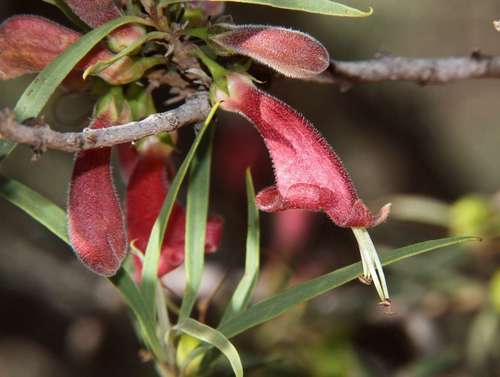
(c) Jason Headley, some rights reserved (CC BY-NC), uploaded by Jason Headley
iNaturalist· cc-by-nc
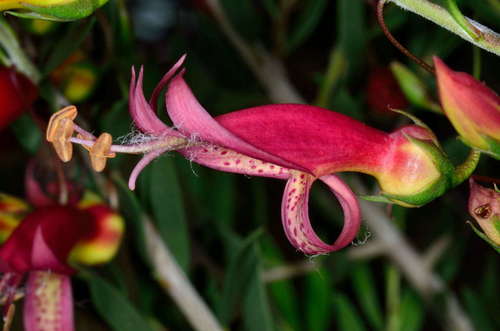
(c) terrydad2, some rights reserved (CC BY-NC), uploaded by terrydad2
iNaturalist· cc-by-nc
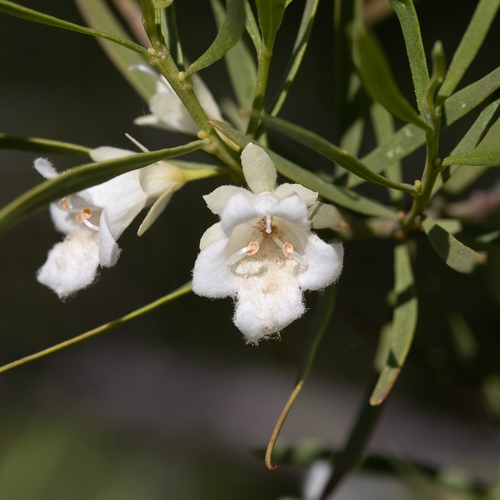
(c) terrydad2, some rights reserved (CC BY-NC), uploaded by terrydad2
Summary
Source: WikipediaPenstemon confertus is a species of flowering plant in the plantain family; its common name is the Yellow beardtoungue. It is native to the US states of Washington, Idaho, and Montana, and the Canadian provinces British Columbia and Alberta.
Description
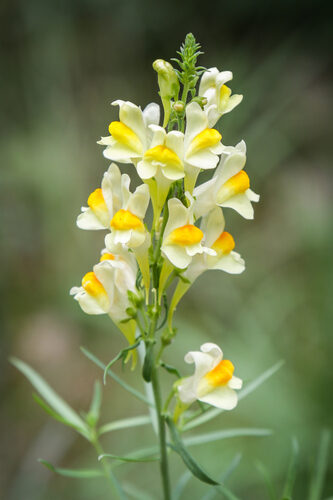
A slender stemmed plant. It grows 10-50 cm high. The leaves are opposite and simple. They are narrow and 5-12 cm long. The flowers are small and yellow. They are 12 mm long. They occur in dense rings on the upper part of the stem. The fruit is a small dry capsule. It contains many seeds.
Edible Uses
A tea-like beverage is made by boiling the dried leaves and stems briefly. If brewed too strong, it can have a purgative effect.
Traditional Uses
The dried leaves and stems are used to make tea.
This uses section is brief — help expand it
Medicinal Uses
A strong decoction of the root is purgative. A decoction of the outer bark has been used to treat stomach complaints. The stems and leaves, roasted and ground to a powder, can be applied as a dressing on sores, cuts, and wounds.
Distribution
It is a temperate plant. It grows on dry grassland and thin woodland.
Where It Grows
Canada, North America, USA,
Cultivation
Succeeds in ordinary rich garden soils so long as they are well-drained. Succeeds in dry soils. Requires a position in full sun. Very cold hardy, but some protection from winter wet is beneficial for this plant. Plants are evergreen in mild winters.
Propagation
Sow seed in late winter in a greenhouse. Prick seedlings into individual pots when large enough to handle and plant out in late spring. Alternatively, sow in early summer in a greenhouse, overwinter the seedlings under glass, and plant out the following spring. The plant can also be divided in autumn, or cuttings taken throughout the growing season — August and September are the best months for this.
Other Uses
The flowers can be boiled and then rubbed onto items to produce a permanent blue colouring.
References (6)
- Beckstrom-Sternberg, Stephen M., and James A. Duke. "The Foodplant Database." http://probe.nalusda.gov:8300/cgi-bin/browse/foodplantdb.(ACEDB version 4.0 - data version July 1994)
- Cormack, R. G. H., 1967, Wild Flowers of Alberta. Commercial Printers Edmonton, Canada. p 310
- Edward's Bot. Reg. 15: t. 1260. 1829
- Facciola, S., 1998, Cornucopia 2: a Source Book of Edible Plants. Kampong Publications, p 230
- Kermath, B. M., et al, 2014, Food Plants in the Americas: A survey of the domesticated, cultivated and wild plants used for Human food in North, Central and South America and the Caribbean. On line draft. p 627
Show all 6 references Hide references
- Moerman, D. F., 2010, Native American Ethnobotany. Timber Press. p 383