Pentadesma butyracea
Sabine
Butter tree, Tallow Tree, Candle Tree, Black Mango
iNaturalist· cc-by-nc
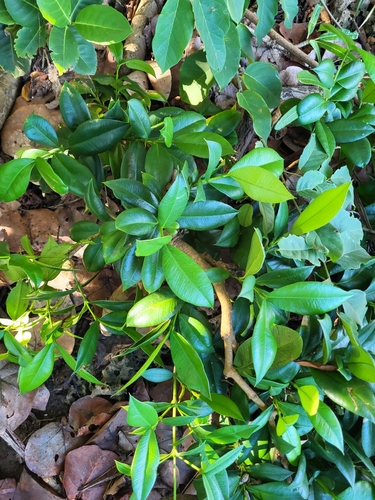
(c) Carel Jongkind, some rights reserved (CC BY-NC), uploaded by Carel Jongkind
iNaturalist· cc-by-nc
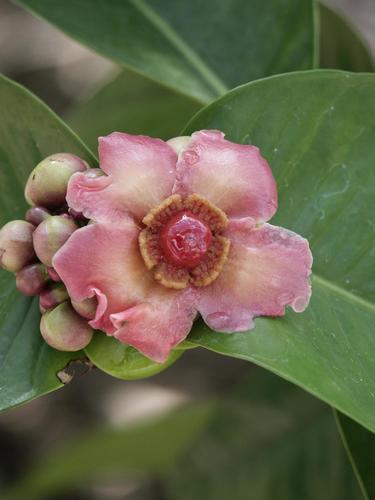
(c) ONG OeBenin, some rights reserved (CC BY-NC), uploaded by ONG OeBenin
iNaturalist· cc-by-nc
(c) Carel Jongkind, some rights reserved (CC BY-NC), uploaded by Carel Jongkind
Summary
Source: WikipediaPentadesma butyracea is a tree native to the forests of tropical Africa from Sierra Leone to Cameroon. It has multiple uses, the main one being the manufacture of a kind of butter called "kpangnan butter" similar to shea butter. The timber is used in cabinetmaking and construction. It is sometimes called African butter tree.
Description
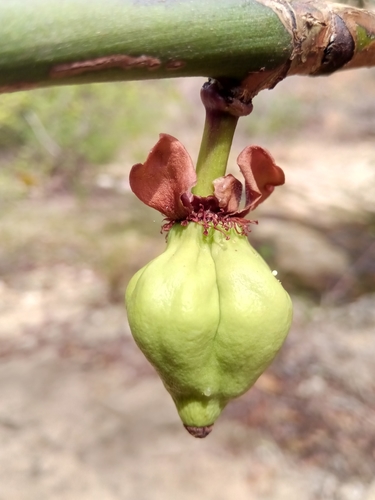
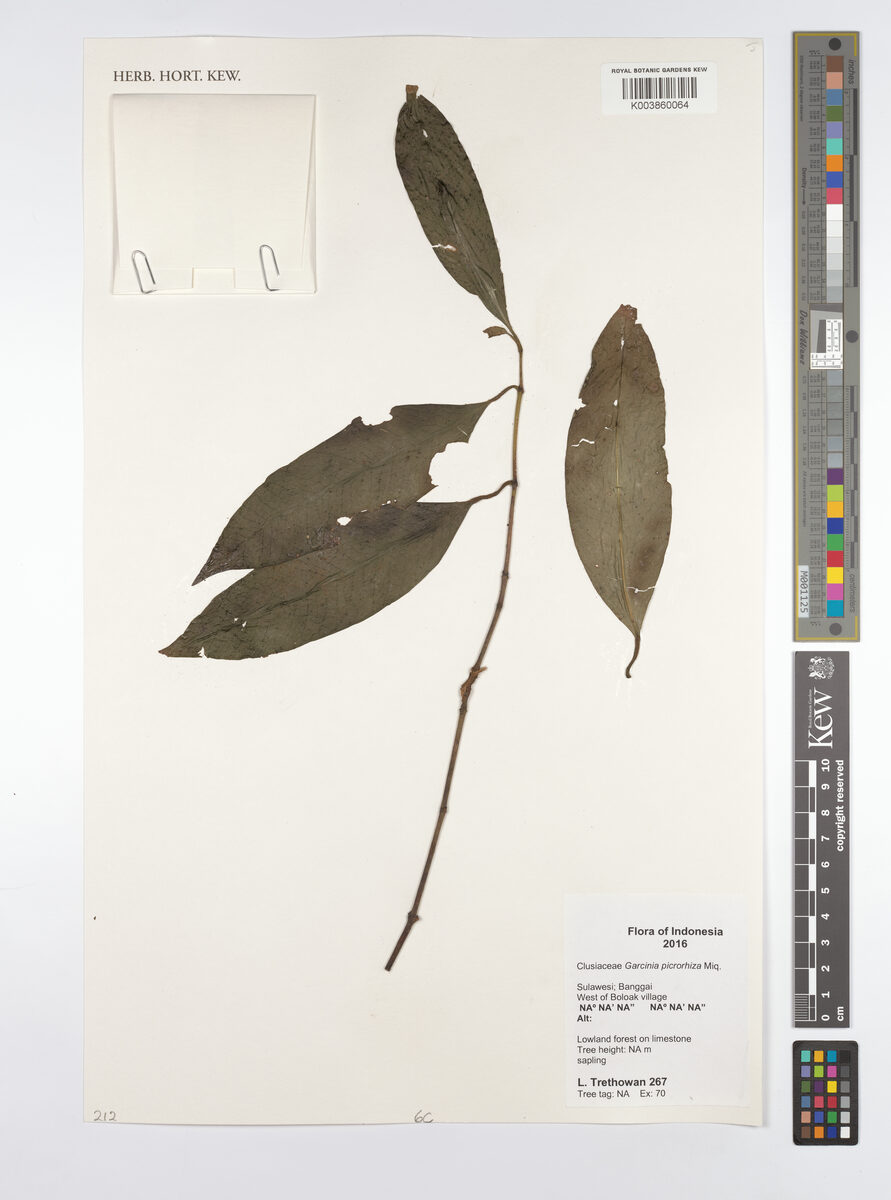
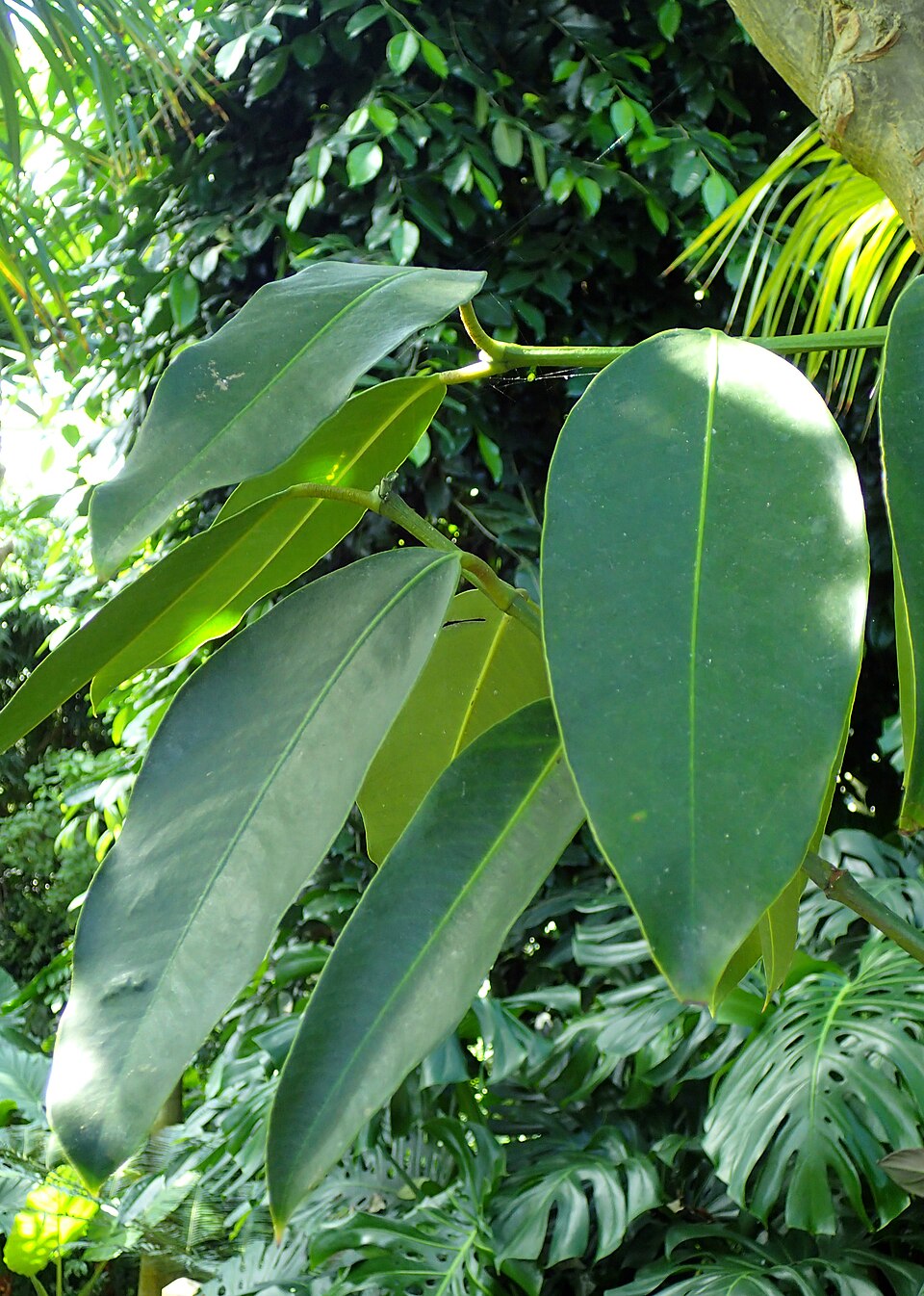
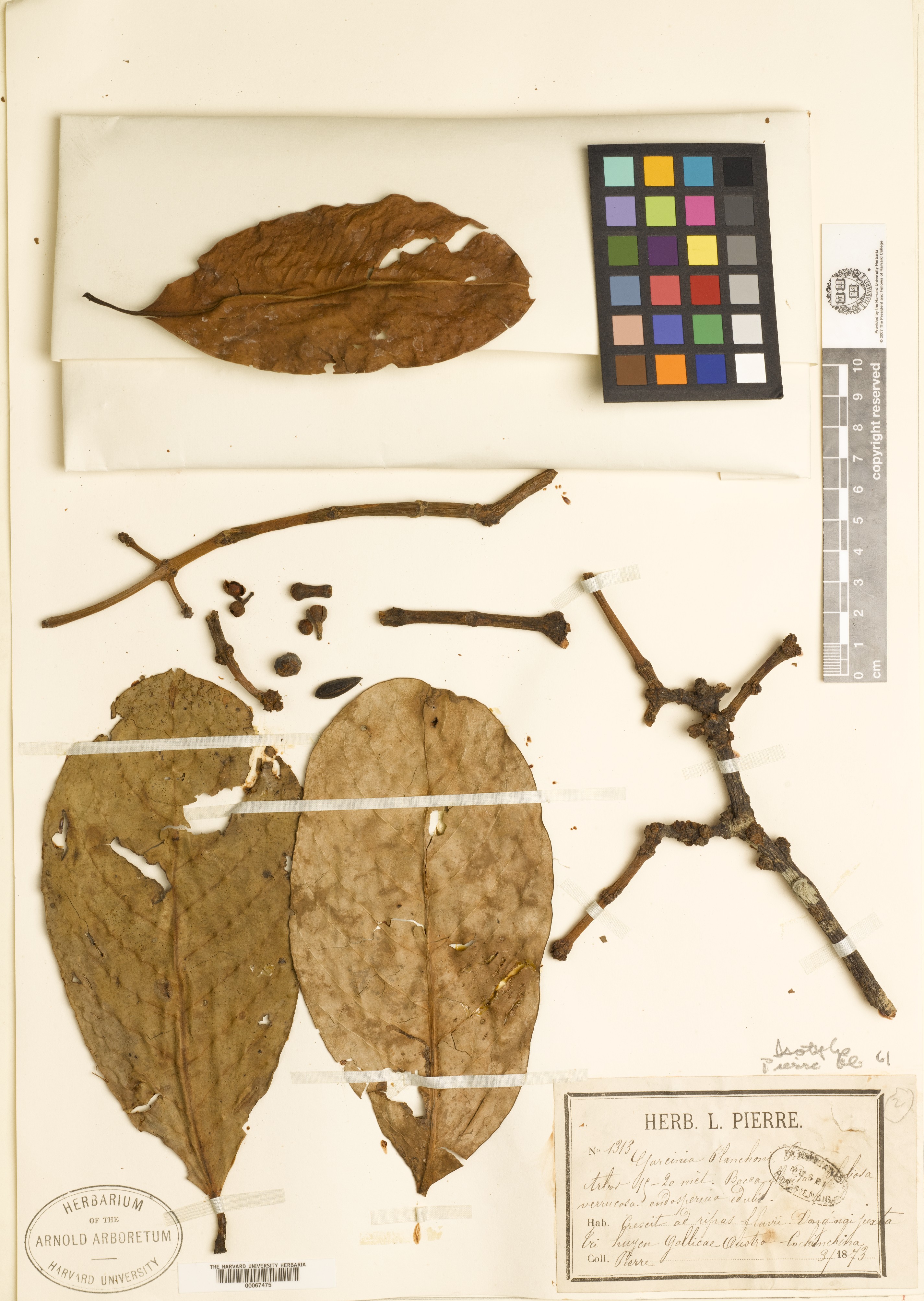
An evergreen tree 25 m tall. The bark is brown and cracked into angular patches. The branches are in rings. The leaves are 10-25 cm long by 3.5-7.5 cm wide. The base is rounded and it tapers to the tip. The flowers are white or greenish-white. They can be 7.5 cm across. Flowers can be single or in groups near the ends of branches. The fruit is oval. It can be 15 cm long by 8.5 cm wide. They contain a few angular seeds in a yellow pulp. There are 3-8 seeds. They are oily.
Edible Uses
The seeds are used to make kpangnan butter also called painya, kanya in Benin, Kanga in Sierra Leone, Akpoto in Togo among others. This butter can be stored for one to three years without going rancid. Kpangnan is traded locally, particularly in central Togo and Benin. It is occasionally sold in the US and Europe as "yellow shea butter", In reality, shea butter and kpangnan are extracted from two different tree species and have noticeably different scents, appearances and textures. A feature unique to kpangnan butter is its high stigmasterol content (around 45% of the sterol content). Stigmasterol is the sterol unsaturated vegetable fat usually found in plant parts such as calabar bean, soybean oil, rapeseed oil, and cocoa butter. Stigmasterol is used as a base material in the production of synthetic progesterone, but has other interesting properties. Research shows that stigmasterol can reduce the risk of certain cancers, including ovarian cancer. Like shea butter, kpangnan has been harvested in West Africa for generations. It is used in cosmetics (for hair, to moisturize the skin), as edible oil, and for the manufacture of traditional soaps.
Traditional Uses
The seeds are the source of an edible fat. The seeds are eaten when young. The pulp of ripe fruit is edible. (Unripe fruit are bitter)
This uses section is brief — help expand it
Medicinal Uses
The bark is said to be aphrodisiac, purgative and vermifuge. A decoction is used for this purgative effect. The bark is used to treat diarrhoea and dysentery. An infusion of the bark is used as a wash to treat fevers. A macerate of the bark is used as a treatment against cutaneous parasites. The latex from the bark is applied to the skin as a treatment against skin parasites. Traces of flavonins, saponins, tannins, steroids and terpenes have been reported in the bark and roots of Congo material. A root-decoction is used as a vermifuge. An infusion of the powdered roots is used to wash children during weaning The fat obtained from the seeds is a suitable base for topical medicines. Its application relieves chest-pain, cough in children, strain and abscesses The leaves are eaten by nursing mothers as a vegetable that is said to increase milk flow, make the milk more easily digestible and also help in teething.The leaves, after roasting and crushing, are given to children to relieve constipation.
Known Hazards
The bark is used as a fish-poison.
Distribution
A tropical plant. It grows in forests often in swampy situations. It grows on river banks and swampy ground. It does best in deep soils and needs a rainfall above 1,000 mm per year.
Where It Grows
Africa, Asia, Benin, Burkina Faso, Cameroon, Central Africa, Central African Republic, CAR, China, Congo, Côte d'Ivoire, Gabon, Ghana, Guinea, Guinée, Guinea-Bissau, Ghana, Ivory Coast, Liberia, Nigeria, Sao Tome and Principe, SE Asia, Sierra Leone, Singapore, Sri Lanka, Togo, West Africa*,
Cultivation
Plants are grown from seed. Fresh seed must be used. Trees can also be grown from root suckers.
Propagation
Seed - they germinate rapidly within the fruit; therefore fruit removal before sowing is not required. Fresh seeds germinate well under shade at ambient conditions. Germination starts after about 15 days and reaches 98% two months after sowing. Germinated seeds grow into normal seedlings in nurseries, reaching 10 - 28cm high after 4 months Fresh seeds that are conserved in moist jute bags maintain 100% viability after 1 month. However, when using polyethylene bags, only 15% germinate. Drying does not improve germination; dried seeds stored for two months in ambient conditions germinated to 14% within three months.
Other Uses
A fat obtained from the seed is used for making soaps, candles etc. The oil from the seed is made into unguent for the skin and hair; it is also applied to kill lice, jiggers, etc. The bark contains a yellow, resinous latex which is more abundant towards the inner side. It dries to an orange-red colour. The roots are used Liberia as chew-sticks. The young stems are used as chewing sticks. The heartwood is yellowish, reddish or pinkish brown; it is distinctly demarcated from the fairly wide band of whitish to pale pink sapwood. The grain is straight to slightly wavy; texture coarse. The wood is heavy, hard, strong, but not durable, being susceptible to attack by pinhole borers and marine borers, although it is fairly resistant to termites. It air dries slowly with little splitting, but cupping may occur. The wood is easy to work; it saws satisfactorily, but may cause gumming of saw blades and overheating; it planes, polishes and moulds well and bores satisfactorily, although heating may occur; it holds nails well, but splitting on nailing is rather common; it can finish to an attractive appearance. The timber appears to be of limited economic importance. It is sawn into planks and used in rough construction-work and for making canoes. It is also suitable for heavy construction, heavy flooring, railway sleepers, ship and boat building, vehicle bodies, boxes and crates, veneer and plywood, interior trim, furniture and cabinet work, joinery and turnery, sporting goods, implements and toys. The wood is used generally as a fuel. The tree is considered suitable for reforestation purposes. It is planted in soil conservation schemes.
Production
Trees first flower when about 8 m tall. Fruit are harvested then put together under a tree to ferment and allow the seed to be more easily removed. A mature tree can produce 500 fruit. The fruit weighs about 600 g and the seed 120 g. To produce oil the seeds are crushed and boiled and the oil skimmed off.
Other Information
It is a commonly used food in West Africa.
Notes
There are 5 Pentadesma species. They grow in Africa. They all yield edible oil.
Nutrition
| Part | Moisture | kJ | kcal | Protein | Vit A | Vit C | Iron | Zinc |
|---|---|---|---|---|---|---|---|---|
| Seed dried | 5.6 | 2253 | 539 | 2.3 | — | — | — | — |
Synonyms
Also Known As
Aghe, Agnuhe, Avoum, Boncom-hadje, Boncom-o, Ekuso, Gambe, Izeni, Ka-yoth, Kiasose, Kodjonou, Lami, Mbeke-wa, N'jolei, N'kandika, Nom Onie, Orogbo erin, Orongbo-erin, Owala oil tree, Soe-kone, Sokai, Uroro
References (28)
- Ambe, G., 2001, Les fruits sauvages comestibles des savanes guinéennes de Côte-d’Ivoire : état de la connaissance par une population locale, les Malinké. Biotechnol. Agron. Soc. Environ. 5(1), 43-48
- Atato, A., et al, 2010, Diversity of Edible Wild Fruit Tree Species of Togo. Global Science Books.
- Batawila, K., et al, 2007, Diversite et gestion des legumes de cueillete au Togo. African Journal of Food, Agriculture, Nutrition and Development 7( 3& 4): 66
- Burkill, I.H., 1966, A Dictionary of the Economic Products of the Malay Peninsula. Ministry of Agriculture and Cooperatives, Kuala Lumpur, Malaysia. Vol 2 (I-Z) p 1720
- Burkill, H. M., 1985, The useful plants of west tropical Africa, Vol. 2. Kew.
Show all 28 references Hide references
- Busson, 1965,
- Codjia, J. T. C., et al, 2003, Diversity and local valorisation of vegetal edible products in Benin. Cahiers Agricultures 12:1-12
- Dalziel, J. M., 1937, The Useful plants of west tropical Africa. Crown Agents for the Colonies London.
- Facciola, S., 1998, Cornucopia 2: a Source Book of Edible Plants. Kampong Publications, p 79
- Hedrick, U.P., 1919, (Ed.), Sturtevant's edible plants of the world. p 470
- Hwang, L. C., et al, 2020, Traditional Botanical Uses of Non-Timber Forest Products (NTFP) in Seven Counties in Liberia. ACS Symposium Series; American Chemical Society: Washington, DC, 2020.
- Jardin, C., 1970, List of Foods Used In Africa, FAO Nutrition Information Document Series No 2.p 46
- Keay, R.W.J., 1989, Trees of Nigeria. Clarendon Press, Oxford. p 104
- liberianfaunaflora.org Plant Atlas
- Li Xi-wen & Li Jie; Peter F. Stevens, Clusiaceae [Draft], Flora of China
- Menninger, E.A., 1977, Edible Nuts of the World. Horticultural Books. Florida p 47
- Peters, C. R., O'Brien, E. M., and Drummond, R.B., 1992, Edible Wild plants of Sub-saharan Africa. Kew. p 84
- Salako, V. K. et al, 2013, Home gardens: an assessment of their biodiversity and potential contribution to conservation of threatened species and crop wild relatives in Benin. Genet Resour Crop Evol
- Savill, P. S. & Fox, J. E. D., Trees of Sierra Leone. p 133
- Segnon, A. C. & Achigan-Dako, E. G., 2014, Comparative analysis of diversity and utilization of edible plants in arid and semi-arid areas in Benin. Journal of Ethnobiology and Ethnomedicine 2014, 10:80
- Sinsin, B. & Avocévou, C., 2007. Pentadesma butyracea Sabine. [Internet] Record from Protabase. van der Vossen, H.A.M. & Mkamilo, G.S. (Editors). PROTA (Plant Resources of Tropical Africa), Wageningen, Netherlands. < http://database.prota.org/search.htm>. Accessed 20 October 2009.
- Tanaka,
- Trans. Hort. Soc. London 5:427. 1824
- Vivien, J. & Faure, J.J., 1985, Abres des forets dense d'Afrique Centrale. Agence de Cooperation Culturelle et Technique. Paris. p 218
- Vivien, J., & Faure, J.J., 1996, Fruitiers Sauvages d'Afrique. Especes du Cameroun. CTA p 128
- Wiersema, J. H. & Leon, B., 2013, World Economic Plants. A Standard Reference CRC Press. 2nd Ed. p 507
- Wickens, G.E., 1995, Edible Nuts. FAO Non-wood forest products. FAO, Rome. p 132
- World Checklist of Useful Plant Species 2020. Royal Botanic Gardens, Kew