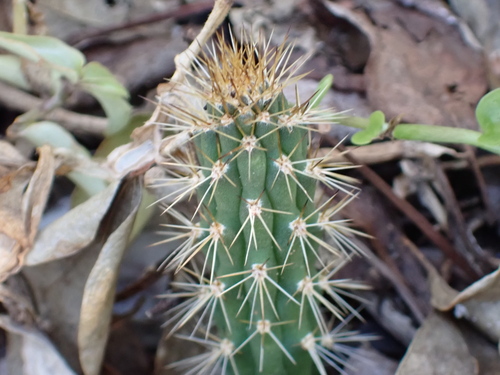
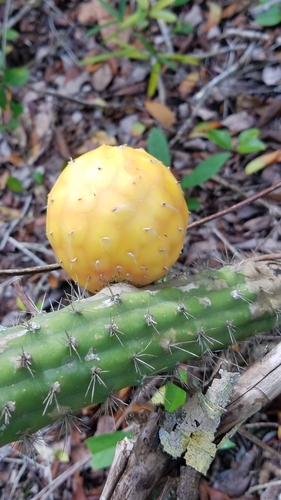
Peniocereus greggii
(Engelm.) Britton & Rose
Sweet potato cactus, Night-blooming cereus
iNaturalist· cc-by-nc
(c) southwestwanderer, some rights reserved (CC BY-NC), uploaded by southwestwanderer
iNaturalist· cc-by-nc
(c) Ad Konings, some rights reserved (CC BY-NC), uploaded by Ad Konings
iNaturalist· cc-by-nc
(c) Marianne Skov Jensen, some rights reserved (CC BY-NC), uploaded by Marianne Skov Jensen
Summary
Source: WikipediaPeniocereus greggii is a cactus species native to southern United States and Mexico.
Description
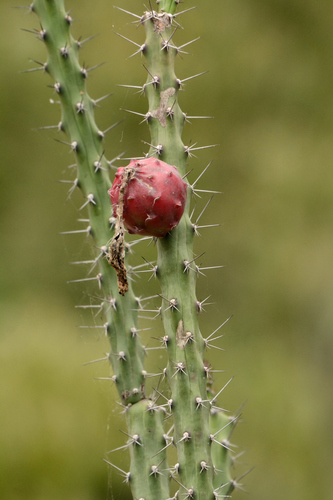
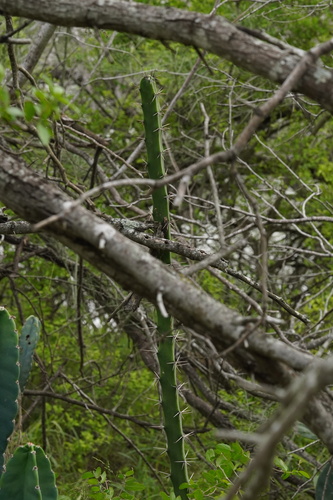
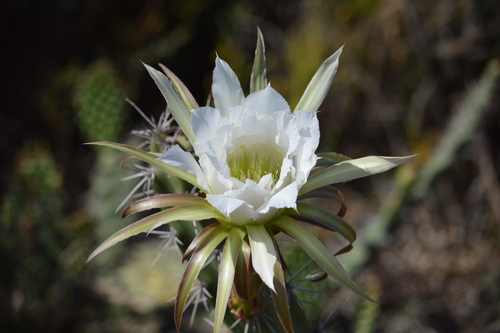
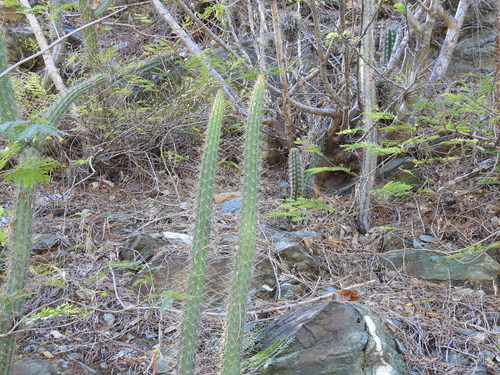
A cactus. It has slender shoots up to 3 m long. It spreads 50 cm wide. The shoots tend to become woody. They have large turnip like roots. These can be 60 cm across and weigh 60 kg. Flowers open at night. They are white. They are 15-20 cm across. The fruit are red oval seed pods. They are edible.
Edible Uses
The large tuber roots are baked, peeled and eaten, made into fritters, or cut into strips, soaked, and deep-fried. The red fruit are eaten raw, cooked, or made into jam. The stalks are eaten as greens.
Traditional Uses
The root or tuber is baked, peeled and eaten. They are dipped in batter and made into fritters. The tubers can be cut into small strips, soaked in cold water for 30 minutes then drained and dried and deep fried. The fruit are eaten raw, cooked or made into jam. The stalks are eaten as greens.
Distribution
It is a warm temperate to subtropical plant. It suits hardiness zones 8-11.
Where It Grows
Australia, Mexico, North America, USA,
Cultivation
Plants can be grown from seed or from cuttings dried out for a week or two.
Notes
There are 10-18 Peniocereus species.
Synonyms
Also Known As
Arizona Queen of the night, Deer-horn cactus, Reina de la noche, Saramatraca
References (11)
- Andersohn, G., 1983, Cacti and Succulents. EP Publishing. p 239
- Anderson, E.F., 2001, The Cactus Family, Timber Press. p 56, 563
- Beckstrom-Sternberg, Stephen M., and James A. Duke. "The Foodplant Database." http://probe.nalusda.gov:8300/cgi-bin/browse/foodplantdb.(ACEDB version 4.0 - data version July 1994)
- Contr. U.S. Natl. Herb. 12:428. 1909
- Cundall, P., (ed.), 2004, Gardening Australia: flora: the gardener's bible. ABC Books. p 1005
Show all 11 references Hide references
- Facciola, S., 1998, Cornucopia 2: a Source Book of Edible Plants. Kampong Publications, p 66
- Hedrick, U.P., 1919, (Ed.), Sturtevant's edible plants of the world. p 181
- Kermath, B. M., et al, 2014, Food Plants in the Americas: A survey of the domesticated, cultivated and wild plants used for Human food in North, Central and South America and the Caribbean. On line draft. p 626
- Lim, T. K., 2015, Edible Medicinal and Non Medicinal Plants. Volume 9, Modified Stems, Roots, Bulbs. Springer p 64
- Moerman, D. F., 2010, Native American Ethnobotany. Timber Press. p 382
- Tozer, F., 2007, The Uses of Wild Plants. Green Man Publishing. p 63