Patinoa almirajo
Cuatrec.
Almirajo
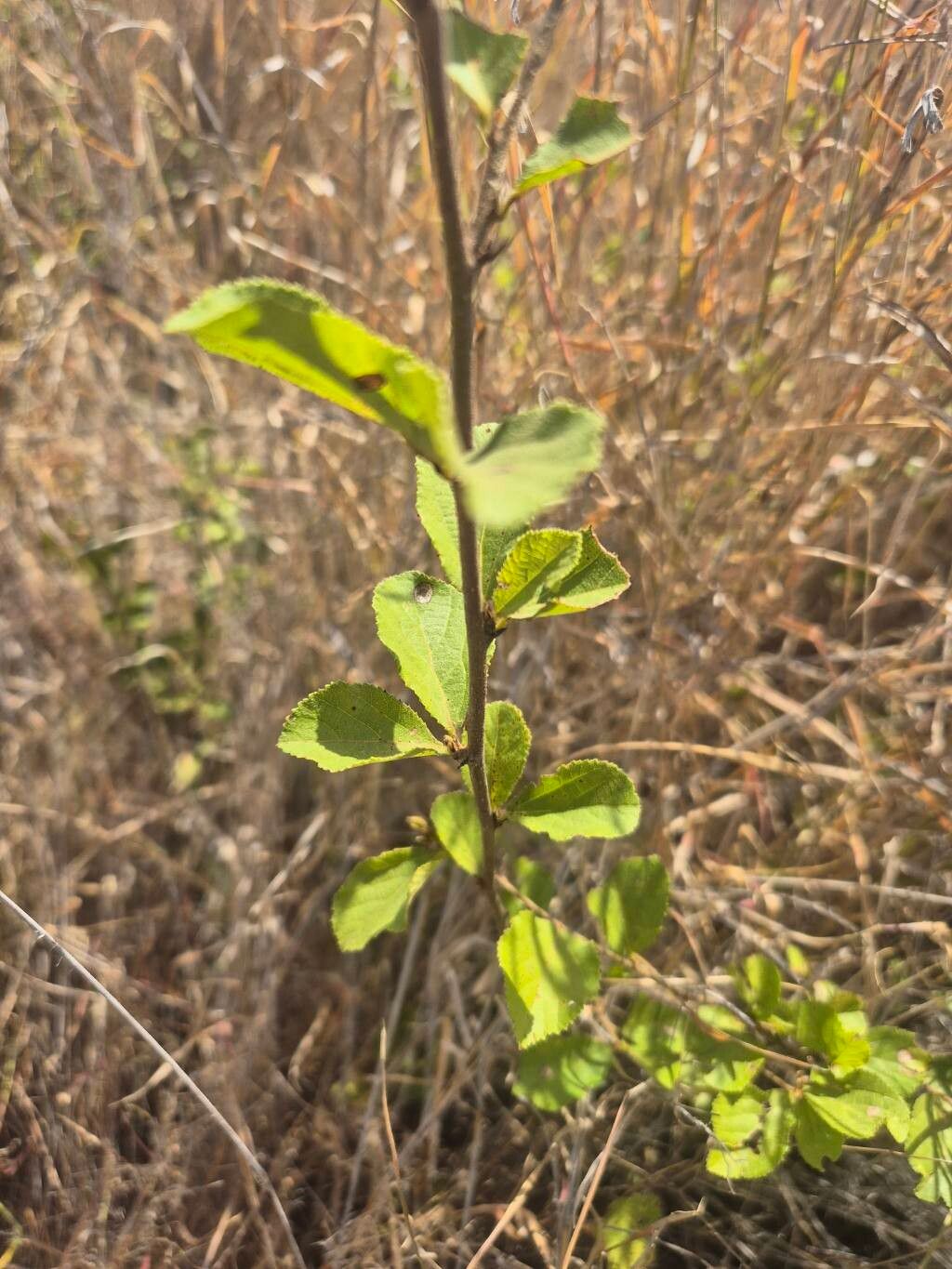
iNaturalist· cc-by-nc
(c) May Bedoya, some rights reserved (CC BY-NC), uploaded by May Bedoya
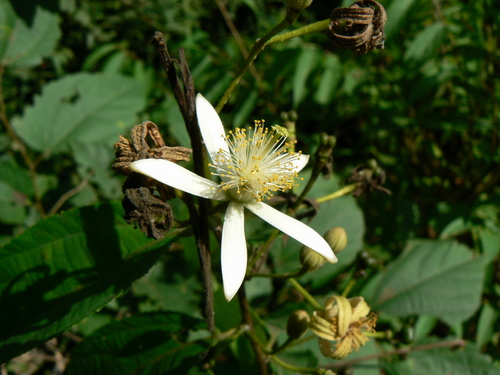
iNaturalist· cc-by-nc
(c) westprairie, some rights reserved (CC BY-NC)
Description
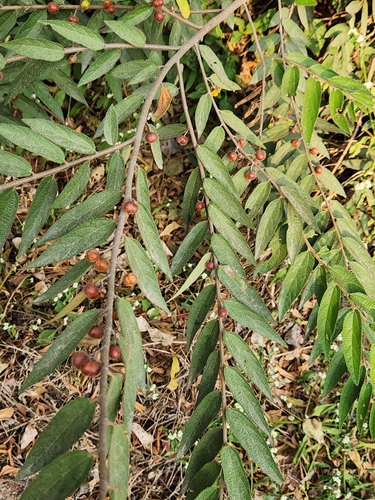
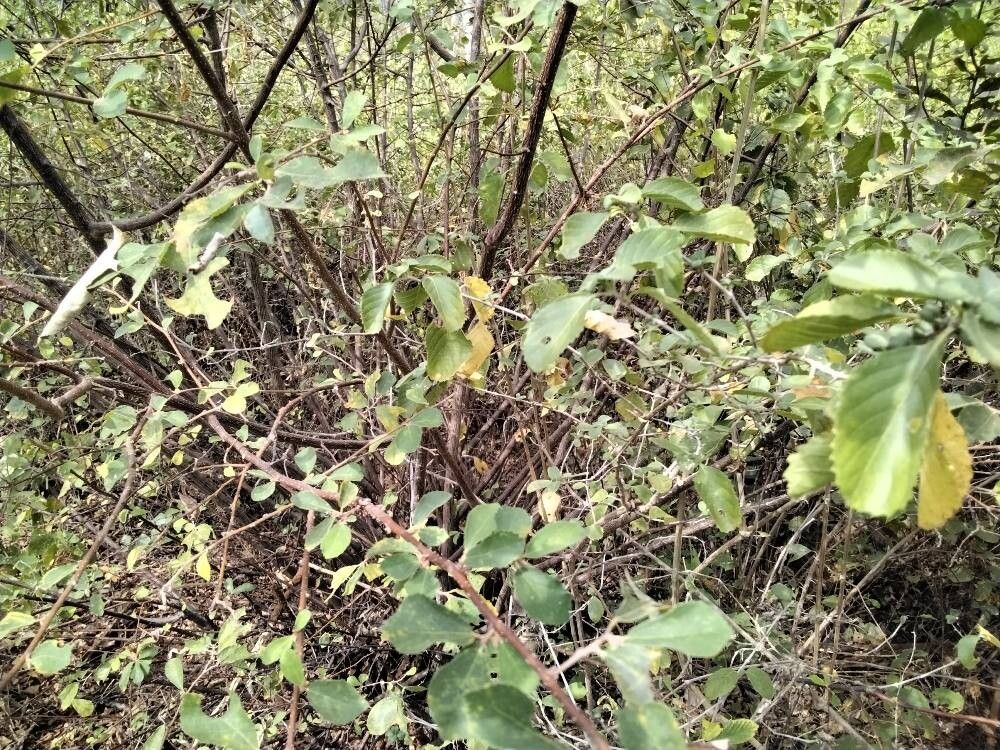
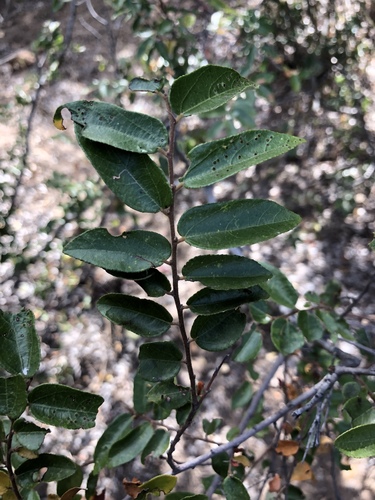
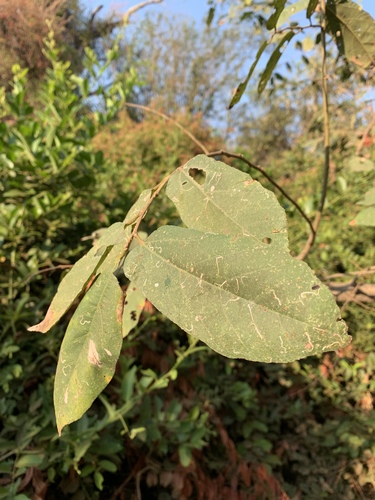
It is a medium sized tree. It grows 20 m tall. The leaves are oval with pointed tips. They can be 22 cm long and are dark green above and pale underneath. The flowers are large and have petals that turn back. The fruit are 25 cm long and 10 cm wide. They have yellow skin and cream coloured, sweet flesh.
Edible Uses
The fruit is eaten fresh, with the fleshy layer around the seeds being the primary edible portion.
Traditional Uses
The fruit are eaten fresh. It is the fleshy layer around the seeds that is eaten.
This uses section is brief — help expand it
Distribution
It is a tropical plant. It grows in forests. In northern South America it grows from sea level to 1,100 m above sea level.
Where It Grows
Andes, Asia, Brazil, Central America, Colombia, Ecuador, Pacific, Panama, Philippines, SE Asia, South America,
Cultivation
Plants are grown from seed.
Propagation
Seed - best sown as soon as it is ripe along with the pulp which will help break down the seed coat and speed up germination. Stored seed should be soaked for 24 hours in warm water and germination time can be reduced if the seed is then mixed with the juice of a fresh passion fruit (of any species). Even so, it can take 12 months for stored seed to germinate. Place the seed tray in a shady position, maintaining a temperature around 19 - 24°c. Prick the seedlings out into individual containers as soon as they are large enough to handle and plant out when large enough. Cuttings of young shoots, taken at the nodes. The cuttings root best in a neutral to slightly acid compost, but 100% sharp sand also produces good results. Cuttings of fully mature wood taken at a node. They can take 3 months. Layering. Very easy. Air layering.
Other Information
The fruit are popular. It is a cultivated food plant.
Notes
Also put in the family Bombacaceae. In the subfamily Bombacoideae.
Also Known As
Almirajo, Chishpudyuchi
References (17)
- Asprilla-Perea, J., & Diaz-Puente, J.M., 2018, Traditional use of wild edible food in rural territories within tropical forest zones: A case study from the northwestern Colombia. New Trends and Issues Proceedings on Humanities and Social Sciences [Online]. 5(1), 162–181.
- 1996, California Rare Fruit Growers, Inc. Malabar chestnut fruit facts
- Coronel, R.E., 1982, Fruit Collections in the Philippines. IBPGR Newsletter p 10
- Correa A., M. D., C. Galdames & M. S. de Stapf, 2004, Catálogo de las Plantas Vasculares de Panamaí, 1-599
- Facciola, S., 1998, Cornucopia 2: a Source Book of Edible Plants. Kampong Publications, p 51
Show all 17 references Hide references
- Fouqué, A. 1972. Espèces fruitières d'Amérique tropicale. Institut français de recherches fruitierès outre-mer (ifac)
- Grandtner, M. M. & Chevrette, J., 2013, Dictionary of Trees, Volume 2: South America: Nomenclature, Taxonomy and Ecology. Academic Press p 484
- Hermandez Bermejo, J.E., and Leon, J. (Eds.), 1994, Neglected Crops. 1492 from a different perspective. FAO Plant Production and Protection Series No 26. FAO, Rome. p14
- INFOODSUpdatedFGU-list.xls
- Kermath, B. M., et al, 2014, Food Plants in the Americas: A survey of the domesticated, cultivated and wild plants used for Human food in North, Central and South America and the Caribbean. On line draft. p 621
- Lopez-Diago, D. & Garcia, N., 2021, Wild edible fruits of Colombia. Biota ColomBiana 22 (2) p 41
- Martin, F. W., et al, 1987, Perennial Edible Fruits of the Tropics. USDA Handbook 642 p 84
- Patiño, V.M. 1963. Plantas cultivadas y animales domesticos en América equinoccial. Tomo 1. Frutales. Imprenta Departamental. Cali, Colombia.
- Ricker, M., et al, 1997, The Case for Borojoa patinoi (Rubiaceae) in the Choco Region, Colombia. Economic Botany 51(1) pp 39-48
- Roa, J. A. G. & Boada, D. S. G., 2018, Fundación para el Fortalecimiento de la Fruticultura y Plantas Alimenticias no Convencionales en Colombia.
- Smith, N., Mori, S.A., et al, 2004, Flowering Plants of the Neotropics. Princeton. p 57
- Torre, de la L., et al, 2008, Enciclopedia de las Plantas Útiles del Ecuador. Herbario QCA. Pontificia Universidad Católica del Ecuador. p 252