Sterculia mhosya
Engl.
gbif· cc-by
Royal Botanic Gardens, Kew
gbif· cc-by-nc-sa
MBG
gbif· cc-by
Royal Botanic Gardens, Kew
Description
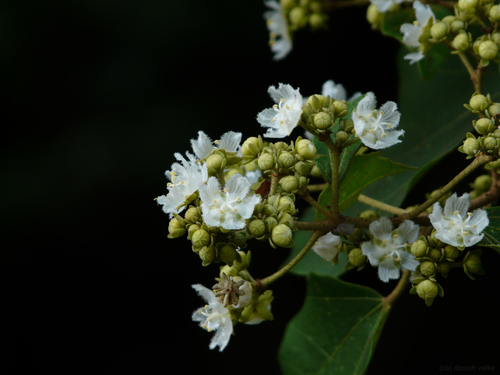
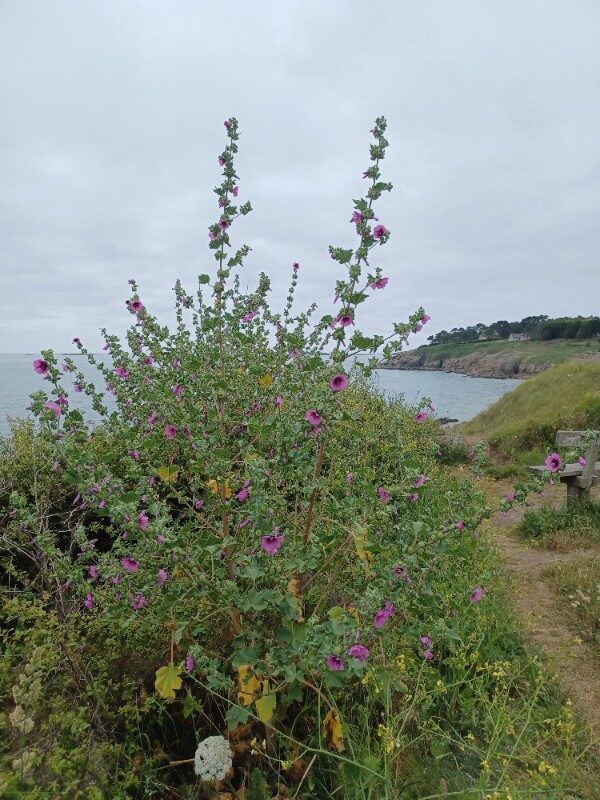
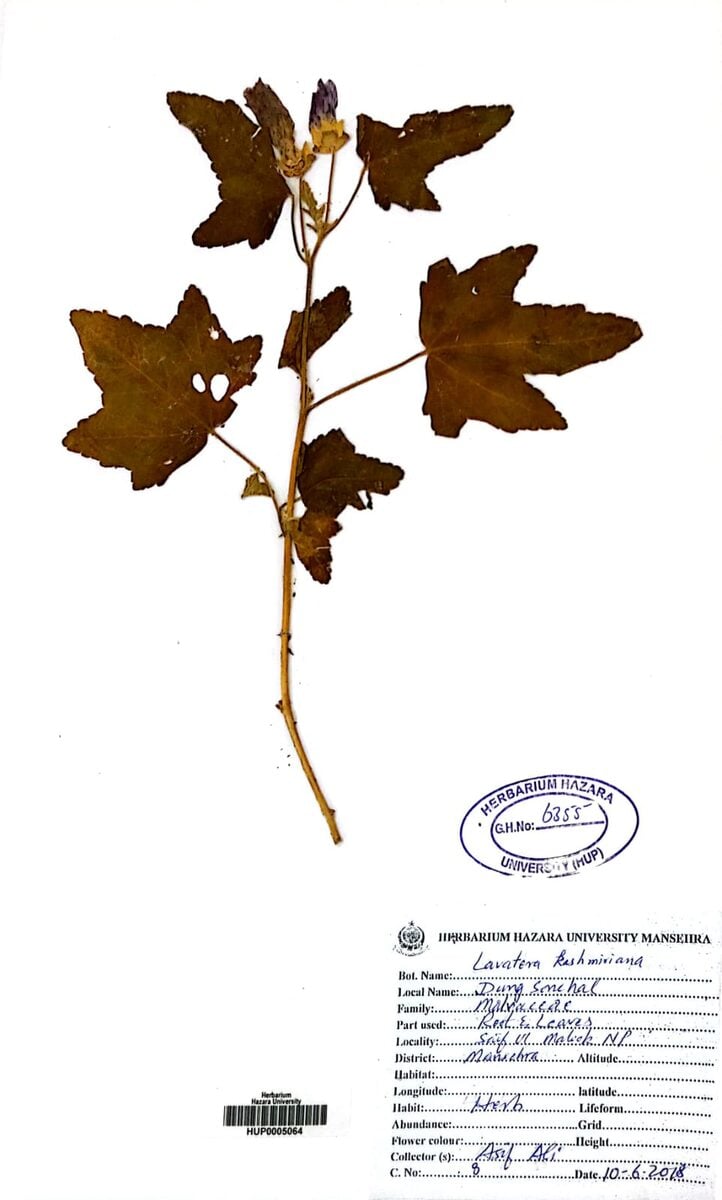
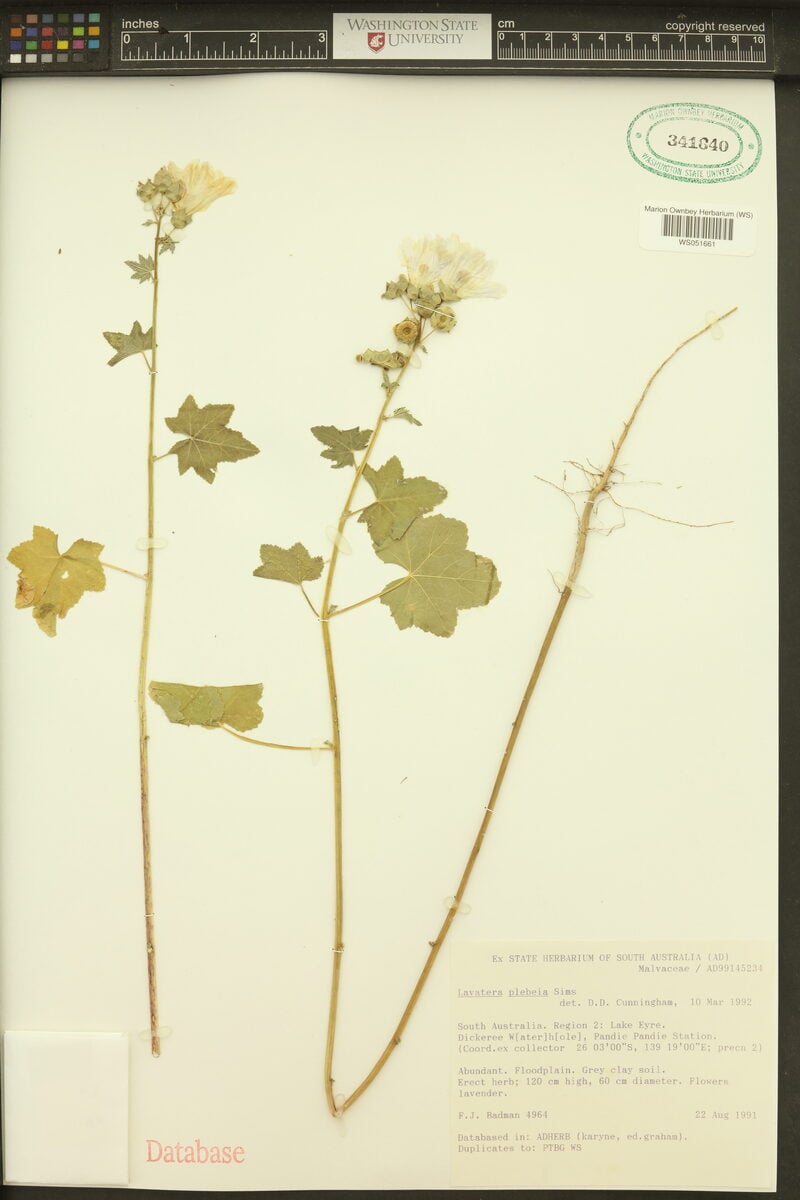
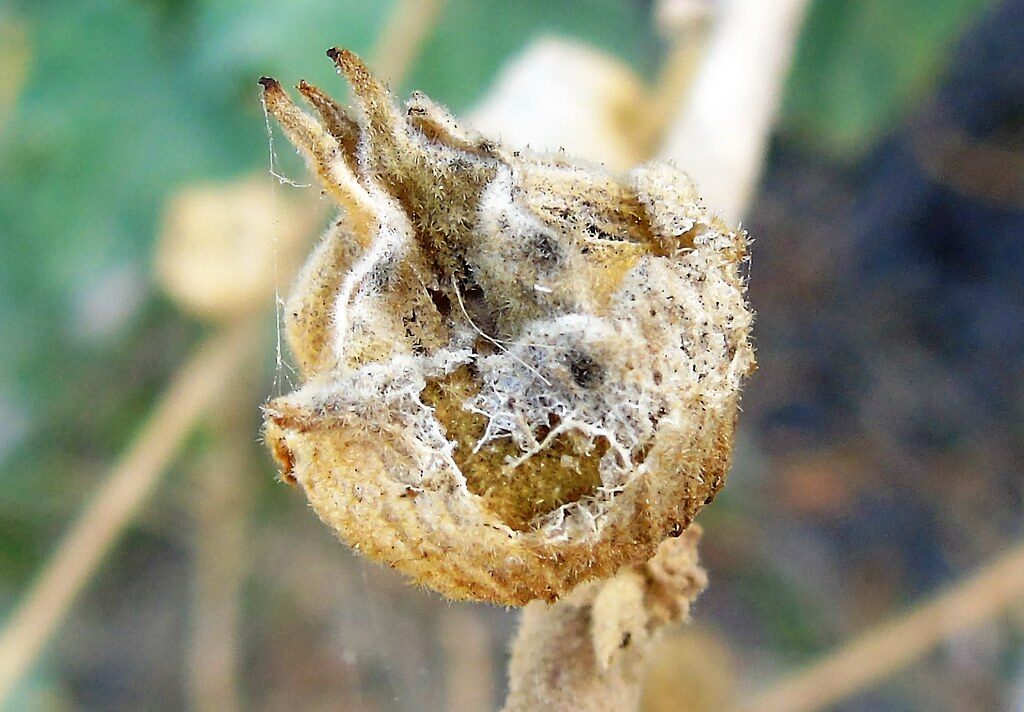
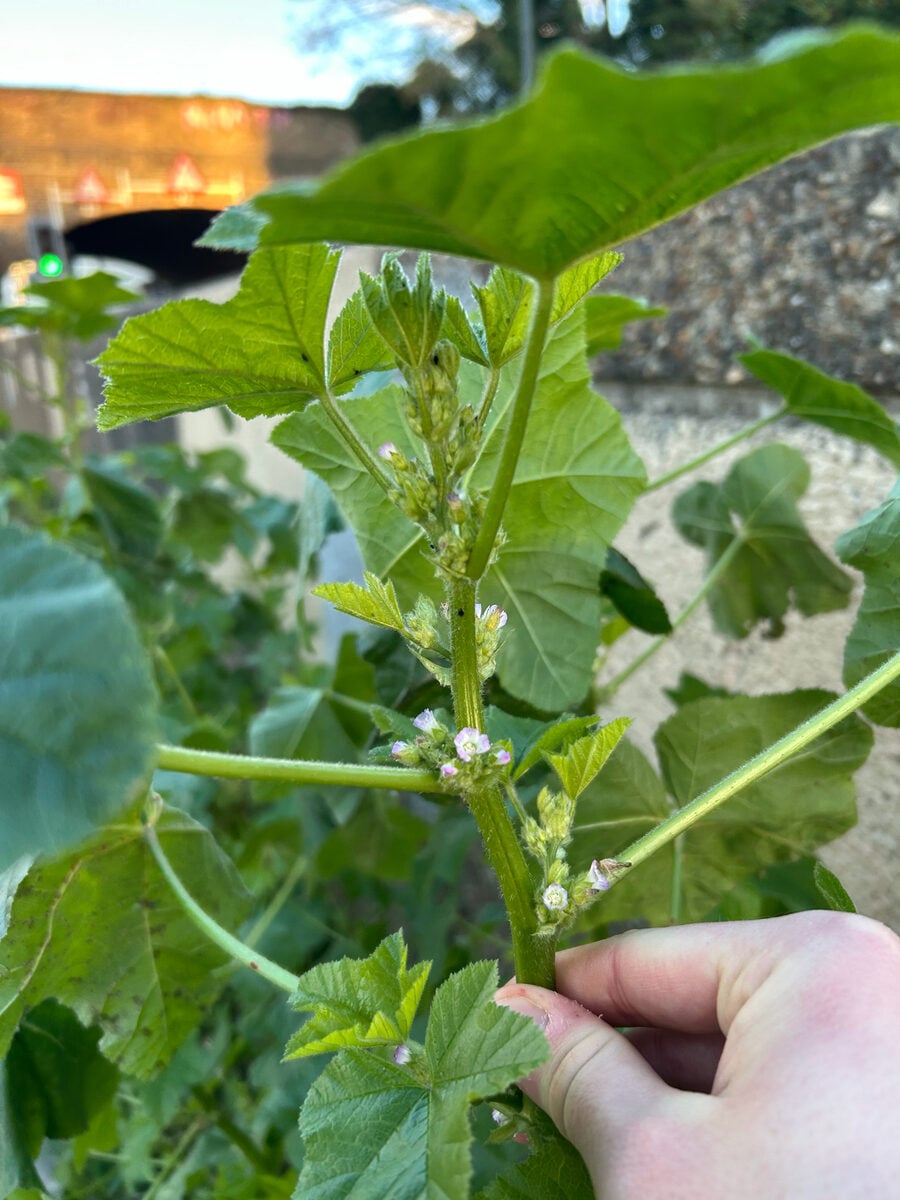
A shrub or small tree. It grows 7 m tall. The bark is dark grey and peeling. The leaves are at the ends of branches. The leaf stalk is 12 cm long. The leaf blade is 15 cm across. The leaves are broadly oval or heart shaped. The leaves have 3-5 lobes like fingers on a hand. The flowers are dull red or purple and they are in groups 12 cm long near the ends of branches. The fruit are large black pods. They have 5 follicles 5-7 cm long by 1-2 cm wide. There are 10-20 seeds in each follicle. The seeds are 1 cm long by 0.7 cm wide. The seeds are small and black. They have a white or orange layer around them.
Edible Uses
Seed - cooked. They can be roasted and eaten whole like peanuts, or roasted, pounded and then cooked with vegetables such as peas or pumpkins. The seeds are up to 15mm long and 7mm wide.
Medicinal Uses
A decoction of the bark is used as a treatment against indigestion.
Distribution
It is a tropical plant. It occurs along the shores of Lake Malawi/Nyasa.
Where It Grows
Africa, East Africa, Tanzania, Zambia,
Cultivation
Plants are grown from seeds.
Propagation
A physical dormancy caused by the hard seed coat of the mature seeds of many species in this genus can be overcome by scarifying the seed. This is carried out by cutting away or abrading some of the seed coat to allow the ingress of water, though great care must be taken not to damage the embryo. The aril surrounding the seed should also be removed - this is easiest when it has been softened through soaking in water. The seeds germinate optimally at temperatures between 20 - 30°c. They can be sown in a nursery seedbed or in containers. A germination rate of about 95%, occurring within about 2 weeks can be expected if the seed has been properly treated.
Other Uses
A fibre obtained from the bark is used for making string and rope. The bark is commonly used as amulet string, on the wrist in children as a protection against disease. The leaves are used a as toilet paper for children. The tree is used for making canoes, although plants of sufficient size are hard to obtain.
Notes
It is an unresolved name in The Plant List. Also put in the family Sterculiaceae.
Also Known As
Ibuibui, Mhoja, Moza, Msualavana, Muhozya, Muluza
References (3)
- JSTOR Global Plants edible
- Ruffo, C. K., Birnie, A. & Tengnas, B., 2002, Edible Wild Plants of Tanzania. RELMA p 630
- World Checklist of Useful Plant Species 2020. Royal Botanic Gardens, Kew