Parartocarpus venenosa
(Zoll. and Mor.) Becc.
Purut
iNaturalist· cc-by-nc
(c) Arief Hamidi, some rights reserved (CC BY-NC)
iNaturalist· cc-by-nc
(c) Arief Hamidi, some rights reserved (CC BY-NC)
iNaturalist· cc-by-nc
(c) Arief Hamidi, some rights reserved (CC BY-NC)
Description
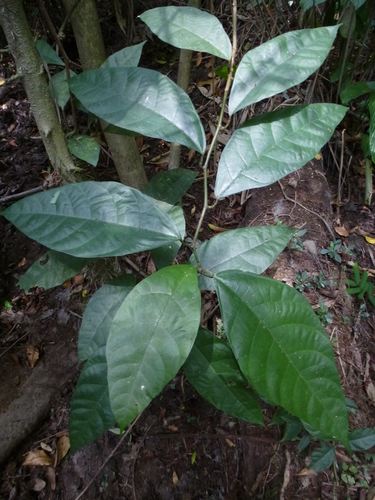
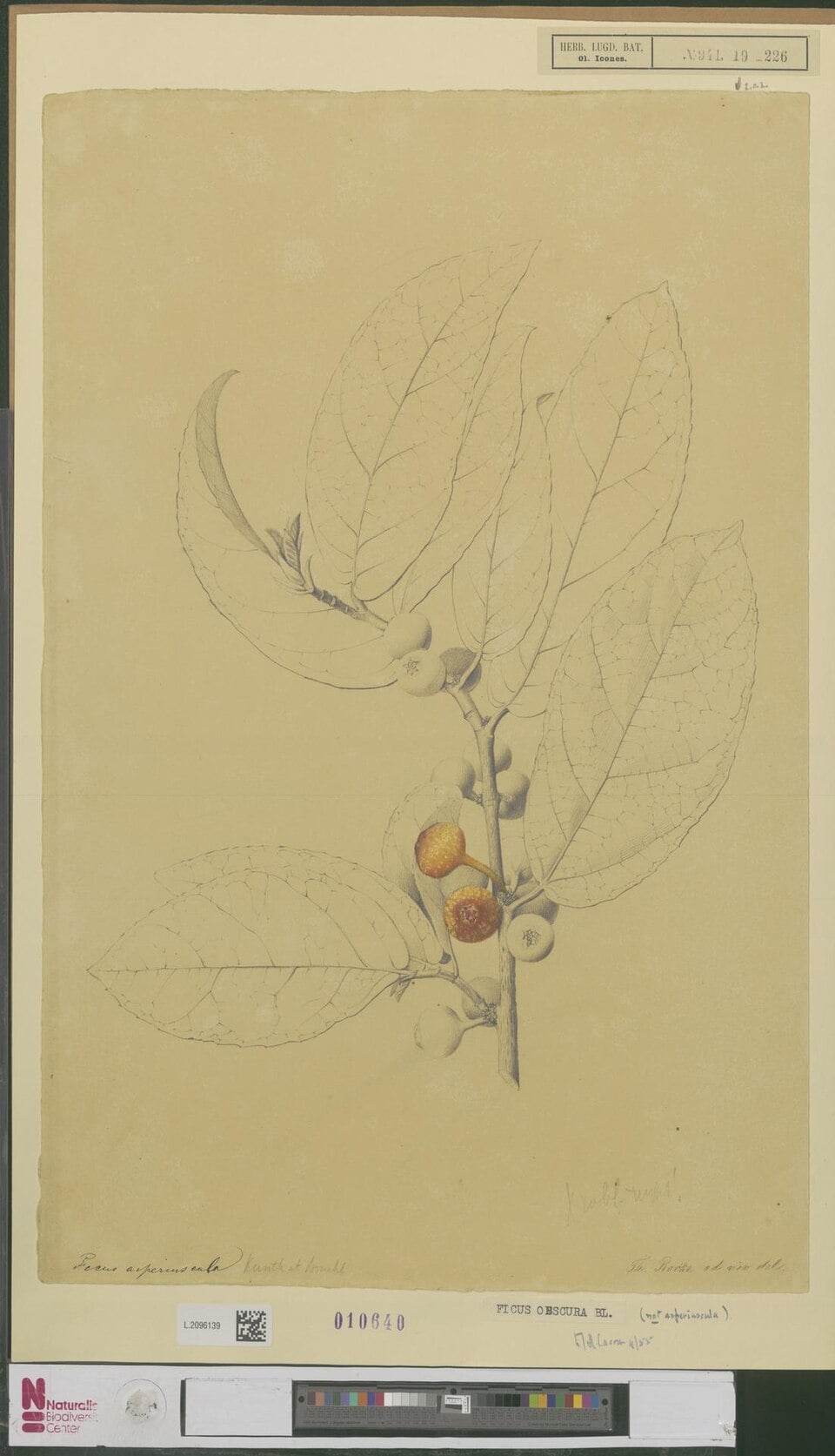
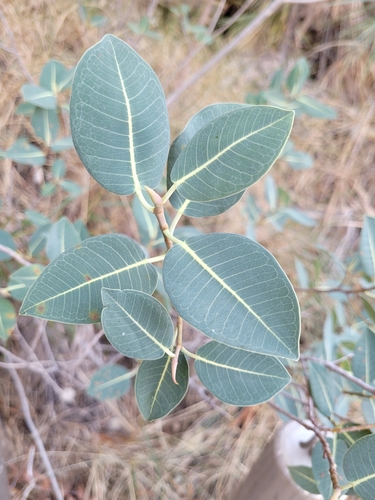
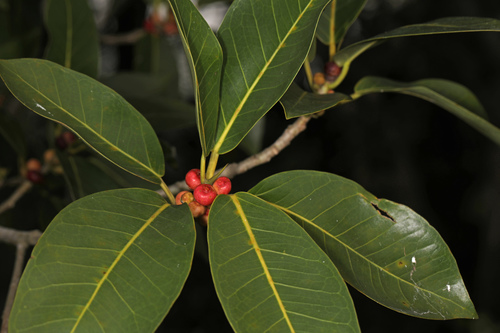
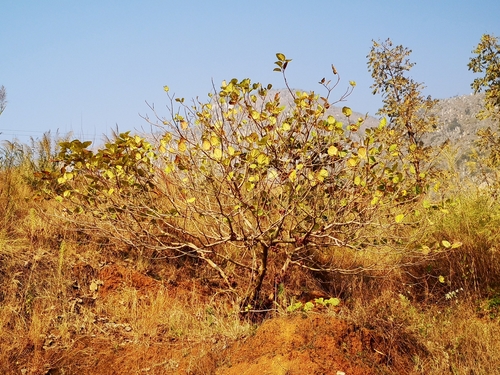
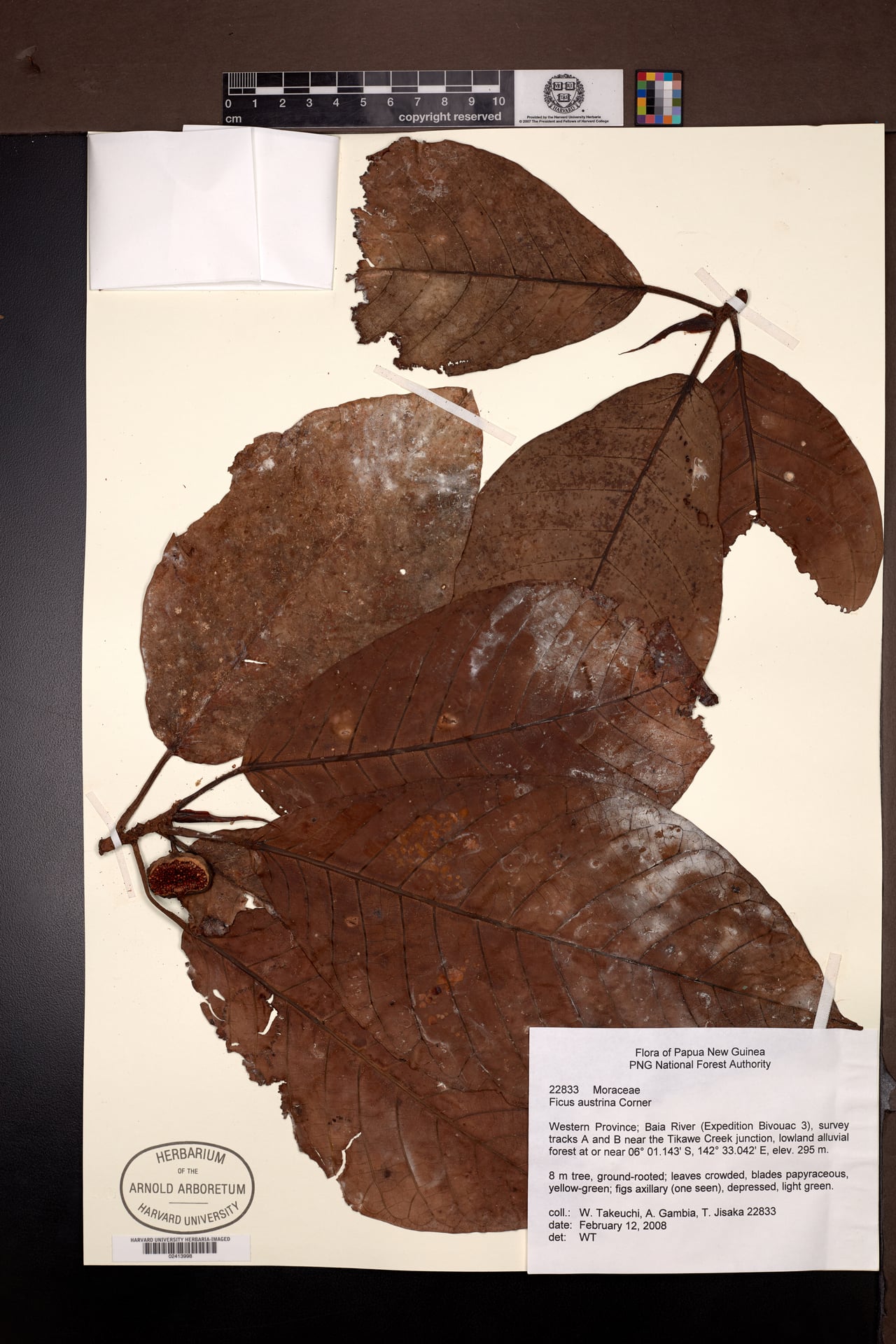
A medium sized tree up to 35-45 m tall with milky sap. The trunk is 45 cm across. The bark is yellow or grey-brown. It is papery and scaly. The twigs are 3-8 mm thick. The leaves are alternate and oblong and pointed at the tip. They are leathery. They can be rounded or pointed at the base. They are 8 to 15 cm long and 5 to 7 cm wide. They are smooth on the upper surface and can have hairs on the veins underneath. The flowers are borne in the axils of the leaves. Flowers are separately male and female but both on the one tree. Male heads are round and 15-30 mm across. They are covered by close, hard spines. The flower stalk is 12-35 mm long. The fruit is a cluster of "seeds" forming a rough checkered head about 18 cm across. The "seeds" are about 3 cm long. The fruit is brown on the outside and yellow inside and irregular in shape.
Edible Uses
The yellow flesh of the fruit is eaten cooked. The seeds can be cooked and eaten after being soaked in seawater for several days, though they are poisonous when unripe.
Known Hazards
The seeds are poisonous when unripe.
Distribution
A tropical plant. They occur in central and southern Luzon, Mindoro, Samar and Leyte in the Philippines. The subspecies that occurs in Papua New Guinea occurs from 5 to 1000 m altitude. It occurs in humid forest.
Where It Grows
Asia, Brunei, Indochina, Indonesia, Malaysia, Pacific, Papua New Guinea, PNG, Philippines, SE Asia*, Solomon Islands, Thailand,
Cultivation
A dioecious species, both male and female forms need to be grown if seed is required.
Other Uses
The latex is used as an insecticide. The wood is soft and not durable. This species is a source of terap timber. The general description of the wood is as follows:- The heartwood is yellow to pale brown; it is usually not differentiated from the sapwood. The texture is moderately coarse to coarse and even; the grain is interlocked. The wood is non-durable under tropical conditions. It seasons fairly slowly, with high shrinkage and slight bowing, cupping and checking. It is reasonably easy to work; slightly difficult to saw; slightly difficult to plane and leaves a rough finish; bores and turns easily, but leaves a rough finish;nailing property is good; can be peeled satisfactorily and is suitable for plywood production. Locally, the wood is used for light construction, for making boxes, crates, wooden pallets and veneer. The wood is sometimes nicely figured and therefore is suitable for decorative purposes like furniture, joinery and panelling.
Other Information
A minor edible fruit moderately common particularly on islands and peninsulas along the north coast of Papua New Guinea.
Notes
Pakal Parartocarpus venenosus What is the plant like? This is quite a large tree up to 25 metres or more tall. It has milky sap inside. The leaves of the tree are entire on outline and they are arranged on a spiral around the stem The leaf looks like this. The leaves are shiny on both surfaces. The veins are raised under the leaf and sunken on top. The leaf is lighter green underneath. The fruit is large and can be 14cm to 24cm across. It has an irregular shape. The fruit is brown and slightly rough on the outside and with yellow flesh inside. There are quite a few large seeds inside. The seeds are something like breadfruit. The seeds have a yellow layer over them and are white inside. The fruit hand from the branches similarly to breadfruit. As the fruit get ripe they give off as strong sweet smell. This helps people find the fruit in the bush. How are pakal trees grown? Often pakal trees just grow wild in the bush. Flying foxes eat the fruit and they spread the seeds around. Small trees are sometimes transplanted nearer to houses. Where do pakal trees grow? Pakal trees can grow from sea level up to about 1000 metres above sea level. Mostly they are near the sea and are more common on islands. In Papua New Guinea they mostly occur along the North Coast and on islands off the coast. Where did the name come from? Pakal is a Tok Ples name from one of the languages of Manus. It also has other Tok Ples names in other areas of PNG, but doesn’t have a common Tok Pisin name. The scientific name is Parartocarpus venenosus. The word parartocarpus means near or related to the breadfruit group of plants. Pakal or parartocarpus is a fruit tree like breadfruit or Kapaik. Tok ples names. Wodeo Is salang Madang yang Manus pakal New Ireland,Kalau situ New Ireland,Lamekot livu Rabaul lapua How are pakal used? The yellow flesh inside the pakal fruit is eaten cooked. The flesh of the fruit is very dry and therefore it is necessary to have a drink of water afterwards. The seeds are poisonous at least when they are unripe. In some places the seeds are cooked and eaten, but only after they have been soaked in sea water for a few days.
Synonyms
Also Known As
Bangkil, Boboe, Boe, Buah klidang, Bulu ongko, Buratu, Kateh, Kati, Lee khaem, Malanangka, Minggi, Nhego, Pangi, Phayaa raak lueang, Pinggi, Rakwan, Rakwana, Tageva, Tanggajun, Tenggajun
References (21)
- Altschul, S.V.R., 1973, Drugs and Foods from Little-known Plants. Notes in Harvard University Herbaria. Harvard Univ. Press. Massachusetts. no. 687
- Argent, G et al, nd, Manual of the Larger and More important non Dipterocarp Trees of Central Kalimantan Indonesia. Volume 2 Forest Research Institute, Samarinda, Indonesia. p 440
- Blench, R., 2004, Fruits and Arboriculture in the Indo-Pacific Region. Indo-Pacific Prehistory Association Bulletin 24. (Taipei Papers Volume 2) p 39
- Borrell, O.W., 1989, An Annotated Checklist of the Flora of Kairiru Island, New Guinea. Marcellin College, Victoria Australia. p 109
- Bourke, M., 1995, Edible Indigenous Nuts in Papua New Guinea. In South Pacific Indigenous Nuts. ACIAR Proceedings No 69, Canberra. p 46
Show all 21 references Hide references
- French, B.R., 1986, Food Plants of Papua New Guinea, A Compendium. Asia Pacific Science Foundation p 259
- French, B.R., 2010, Food Plants of Solomon Islands. A Compendium. Food Plants International Inc. p 177
- Brown, W.H., 1920, Wild Food Plants of the Philippines. Bureau of Forestry Bulletin No. 21 Manila. p 40 (As Gymnartocarpus woodii)
- Henderson, C.P. and I.R.Hancock, 1988, A Guide to the Useful Plants of the Solomon Islands. Res. Dept. Min of Ag. & Lands. Honiara, Solomon Islands. p 57
- Henty, E.E., 1980, Harmful Plants in Papua New Guinea. Botany Bulletin No 12. Division Botany, Lae, Papua New Guinea. p 108, Pl. 40
- Lepofsky, D., 1992, Arboriculture in the Mussau Islands, Bismarck Archipelago. Economic Botany, Vol 46, No. 2, pp. 192-211
- McClatchey, W. C., 2012, Wild food plants of Remote Oceania. Acta Societatis Botanicorum Poloniae. 81(4):371-380 (As Parartocarpus beccarianus)
- Menninger, E.A., 1977, Edible Nuts of the World. Horticultural Books. Florida p 75 (As Gymnartocarpus woodii)
- Moon, H. K., et al, 2010, Tropical Tree of Indonesia. Korea Forest Research Institute. p 7
- Peekel, P.G., 1984, (Translation E.E.Henty), Flora of the Bismarck Archipelago for Naturalists, Division of Botany, Lae, PNG. p 132, 135
- Powell, J.M., Ethnobotany. In Paijmans, K., 1976, New Guinea Vegetation. Australian National University Press. p 111
- PROSEA No. 2
- Soepadmo, E. and Saw, L. G., 2000, Tree Flora of Sabah and Sarawak. Forestry Malaysia. Volume Three. p 323
- Sukarya, D. G., (Ed.) 2013, 3,500 Plant Species of the Botanic Gardens of Indonesia. LIPI p 431
- Walter, A. & Sam C., 2002, Fruits of Oceania. ACIAR Monograph No. 85. Canberra. p 281
- World Checklist of Useful Plant Species 2020. Royal Botanic Gardens, Kew