Papaver somniferum
L.
Opium poppy, Breadseed poppy
iNaturalist· cc-by-nc
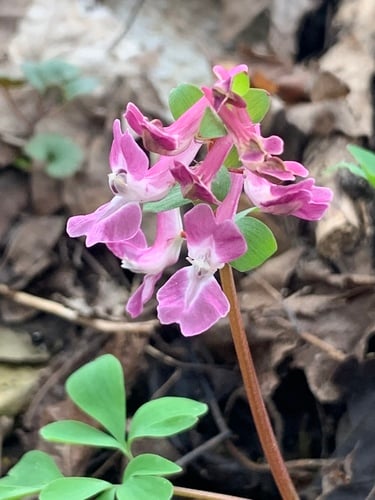
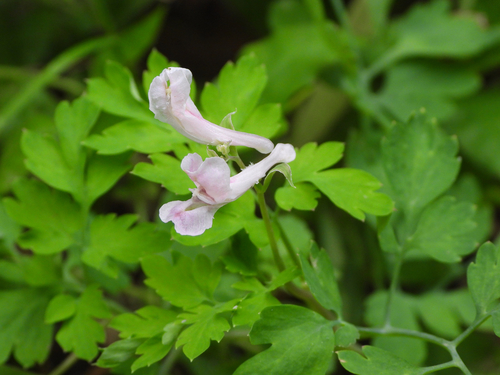
(c) Sascha Ethelberg, some rights reserved (CC BY-NC), uploaded by Sascha Ethelberg
iNaturalist· cc-by-nc
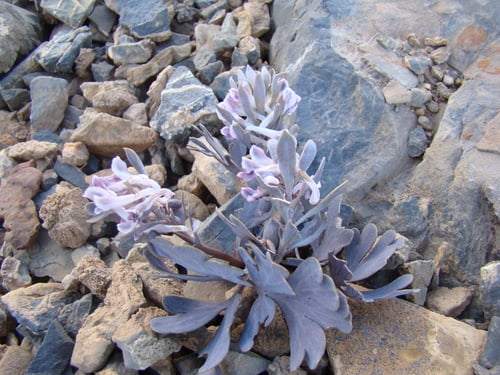
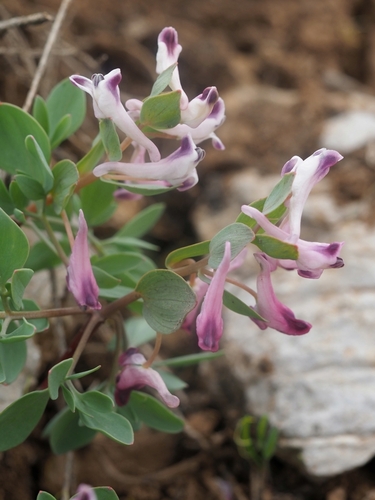
(c) Dan Spaulding, some rights reserved (CC BY-NC), uploaded by Dan Spaulding
iNaturalist· cc-by
(c) David Perez, some rights reserved (CC BY)
Summary
Source: WikipediaPapaver somniferum, commonly known as the opium poppy or breadseed poppy, is a species of flowering plant in the family Papaveraceae. It is the species of plant from which both opium and poppy seeds are derived and is also a valuable ornamental plant grown in gardens. Its native range is the western Mediterranean region, but has since been obscured by widespread introduction and cultivation since ancient times to the present day. It is now naturalised across much of the world with temperate climates.
Description
An annual plant which grows up to 60-150 cm high. It is 20 cm across. The leaves are coarsely toothed and clasp the stem. They are smooth and undivided. They are wavy. They are blue-green. The flowers are showy. They are cup shaped and red, white or purple. They are on long erect flower stalks. The fruit is a seed pod. It yields a milky sap. The capsule is 2-5 cm wide.
Edible Uses
The seeds can be eaten raw or cooked and are widely used as a flavouring in cakes, bread, and fruit salads, imparting a pleasant nutty taste. Crushed and sweetened seeds are used as a filling in crepes, strudels, and pastries. The seeds are highly nutritious, containing approximately 22.7% protein, 48% fat, 9.8% carbohydrate, and 7.1% ash, and are a good source of lecithin. Although the capsules are 3cm or more in diameter and easy to harvest, the individual seeds are small. The seeds are safe to eat and contain very little if any narcotic alkaloids; however, their ingestion may produce urine test results similar to those seen in morphine or heroin users. Young leaves can be eaten raw or cooked and must be used before flower buds form; in some countries they are eaten at the seedling stage. One report indicates the leaves contain no narcotic principles, though some caution is still advised. A high-quality edible drying oil with an almond flavour is pressed from the seeds and makes a good substitute for olive oil. Nutritional figures per 100g of fresh seed: 533 calories; water 6.8%; protein 18g; fat 44.7g; carbohydrate 23.7g; fibre 6.3g; ash 6.8g; calcium 1448mg; phosphorus 848mg; iron 9.4mg; magnesium 2.3mg; sodium 21mg; potassium 700mg; thiamine (B1) 0.95mg; riboflavin (B2) 0.17mg; niacin 0.98mg.
Traditional Uses
The seed are eaten raw or cooked. They are used on bread, cakes, rolls, and in soups, stews, rice dishes, curries and salad dressings. The young leaves are edible raw or cooked. An edible oil is obtained from the seed. Caution: The capsule contains several alkaloids and is poisonous but the seeds are not.
Medicinal Uses
The opium poppy contains a wide range of alkaloids and has long been valued medicinally, particularly for pain relief. Its use, especially of the extracted alkaloids opium and morphine, can become addictive and it should only be used under the supervision of a qualified practitioner. The dried latex from unripe green seed capsules is the richest source of active alkaloids including morphine. It is collected by making shallow incisions in the capsules after the petals fall, taking care not to penetrate the capsule interior; the latex exudes and dries in air before being scraped off. This latex is anodyne, antitussive, astringent, diaphoretic, emmenagogue, hypnotic, narcotic, and sedative. It has also been used as an antispasmodic and expectorant for certain coughs, and its astringent properties make it useful in treating dysentery. A homeopathic remedy prepared from the dried latex is used for constipation, fevers, and insomnia.
Known Hazards
This plant contains a number of very toxic compounds, many of which are extracted and used as pain killers etc in medicine. They are also used to make various highly addictive narcotic drugs. However, in the cooler climate of Britain these compounds are not formed in sufficient quantity to make their extraction worthwhile. There are no toxins in the seeds.
Distribution
A temperate plant. It prefers a rich well drained sandy soil in a sunny position. It suits hardiness zones 7-10. Tasmania Herbarium.
Where It Grows
Afghanistan, Andorra, Argentina, Asia, Australia, Austria, Balkans, Bangladesh, Central Asia, Chile, China, Colombia, Croatia, Czech Republic, Egypt, Estonia, Europe, France, Georgia, Germany, Greece, Himalayas, Hungary, India, Indochina, Iran, Iraq, Italy, Japan, Korea, Laos, Macedonia, Malaysia, Mediterranean, Mexico, Middle East, Myanmar, Netherlands, North Africa, North America, Pakistan, Palestine, Romania, SE Asia, Serbia, Slovenia, South America, Spain, Switzerland, Tajikistan, Tasmania, Thailand, Turkey, Türkiye, USA, Vietnam,
Cultivation
Prefers a rich well-drained sandy loam in a sunny position. Requires a moist soil but does not do well on wet clays. Prefers a sandy loam or a chalky soil. Plants often self-sow in British gardens. The opium poppy is a very ornamental plant that is often cultivated in the flower garden. There are many named varieties, some of which have been developed for their edible uses. The plant is widely grown, often illegally, in warm temperate and tropical climates for the substances contained in its sap. These are often used medicinally as pain killers, especially in the treatment of terminally ill patients suffering extreme pain, they are also used for their narcotic effects by some people. These substances are highly addictive and lead to a shortening of the life span if used with any frequency. In cool temperate zones the plant does not produce sufficient of the narcotic principles to make their extraction feasible and cultivation of the plant is perfectly legal in Britain. Plants have ripened their seeds as far north as latitude 69°n in Norway. Members of this genus are rarely if ever troubled by browsing deer or rabbits.
Propagation
Sow seed in spring or autumn directly in situ.
Other Uses
The seeds yield 44–50% of an edible drying oil that is excellent for lighting, burning longer than most oils. The oil is also used in paints and soap making.
Production
There are about 2 million seeds in a kg.
Other Information
It is cultivated.
Notes
There are 70-100 Papaver species. Opium poppy production is illegal in several countries.
Nutrition
| Part | Moisture | kJ | kcal | Protein | Vit A | Vit C | Iron | Zinc |
|---|---|---|---|---|---|---|---|---|
| Seed | 6.8 | 2231 | 534 | 18 | 0 | 3 | 9.4 | 10.2 |
Synonyms
Also Known As
Abhini, Abini, Adormidera, Afim, Afiun, Afyon, Afyun, Ahifen, Aphian, Aphim, Aphina, Aphu, Bein, Big-tobacco flower, Biligasgase, Chosa, Dayanhu, Fin, Gasalu, Gashagasha, Hashas, Jar and millet, Kas kas, Kasakasa, Kashkash, Keshi, Khas khas, Khasa, Khasakhasi, Khus-khus, Moonid, Oeillette, Opium flower, Pasto, Posta, Postaka, Trau, Ya pian, Yapianhua, Ying su, Yingsu
References (50)
- Ambasta, S.P. (Ed.), 2000, The Useful Plants of India. CSIR India. p 428
- Baser, K. H. C. & Arslan, N., 2014, Opium poppy (Papaver somniferum), in Z. Yaniv, N. Dudai (eds.), Medicinal and Aromatic Plants of the Middle-East, Springer p 305
- Blamey, M and Grey-Wilson, C., 2005, Wild flowers of the Mediterranean. A & C Black London. p 60
- Bodkin, F., 1991, Encyclopedia Botanica. Cornstalk publishing, p 760
- Bremness, L., 1994, Herbs. Collins Eyewitness Handbooks. Harper Collins. p 263
Show all 50 references Hide references
- Brickell, C. (Ed.), 1999, The Royal Horticultural Society A-Z Encyclopedia of Garden Plants. Convent Garden Books. p 748
- Burkill, I.H., 1966, A Dictionary of the Economic Products of the Malay Peninsula. Ministry of Agriculture and Cooperatives, Kuala Lumpur, Malaysia. Vol 2 (I-Z) p 1687
- Bussman, R. W., et al, 2021, Unity in diversity—food plants and fungi of Sakartvelo (Republic of Georgia), Caucasus. Journal of Ethnobiology and Ethnomedicine (2021) 17:72 p 9
- Cobley, L.S. (rev. Steele, W.M.) 2nd Ed., 1976, An Introduction to the Botany of Tropical Crops. Longmans. p 225
- Cundall, P., (ed.), 2004, Gardening Australia: flora: the gardener's bible. ABC Books. p 981
- Ertug, F, Yenen Bitkiler. Resimli Türkiye Florası -I- Flora of Turkey - Ethnobotany supplement
- Facciola, S., 1998, Cornucopia 2: a Source Book of Edible Plants. Kampong Publications, p 166
- Hedrick, U.P., 1919, (Ed.), Sturtevant's edible plants of the world. p 463
- Hemphill, I, 2002, Spice Notes. Macmillan. p 318
- Heywood, V. H. & Zohary, D.,1995, A Catalogue of the Wild Relatives of Cultivated Plants Native to Europe. Flora Mediterranea 5 - 1995, p 387
- http://www.botanic-gardens-ljubljana.com/en/plants
- Hussey, B.M.J., Keighery, G.J., Cousens, R.D., Dodd, J., Lloyd, S.G., 1997, Western Weeds. A guide to the weeds of Western Australia. Plant Protection Society of Western Australia. p 194
- Kybal, J., 1980, Herbs and Spices, A Hamlyn Colour Guide, Hamlyn Sydney p 146
- Hutton, W., 1997, Tropical Herbs and Spices of Indonesia. Periplus. p 48
- Hu, Shiu-ying, 2005, Food Plants of China. The Chinese University Press. p 402
- Hyde-Wyatt, B.H. & Morris D.I., 1975, Tasmanian Weed Handbook. Dept of Ag Tasmania. p 98
- Kalle, R. & Soukand, R., 2012, Historical ethnobotanical review of wild edible plants of Estonia (1770s-1960s) Acta Societatis Botanicorum Poloniae 81(4):271-281
- Kargioglu, M., et al, 2008, An Ethnobotanical Survey of Inner-West Anatolia, Turkey. Human Ecology 36:763-777
- Kiple, K.F. & Ornelas, K.C., (eds), 2000, The Cambridge World History of Food. CUP p 433, 1838
- Lazarides, M. & Hince, B., 1993, Handbook of Economic Plants of Australia, CSIRO. p 181
- Low, T., 1991, Wild Herbs of Australia and New Zealand. Angus & Robertson. p 80 (Drawing)
- McMakin, P.D., 2000, Flowering Plants of Thailand. A Field Guide. White Lotus. p 33
- Menninger, E.A., 1977, Edible Nuts of the World. Horticultural Books. Florida p 120
- Morley, B. & Everard, B., 1970, Wild Flowers of the World. Ebury press. Plate 46
- Mulherin, J., 1994, Spices and natural flavourings. Tiger Books, London. p 77
- Özdemir, E. and Kültür, S., 2017, Wild Edible Plants of Savaştepe District (Balıkesir, Turkey), Marmara Pharm J 21/3: 578-589
- Paczkowska, G . & Chapman, A.R., 2000, The Western Australian Flora. A Descriptive Calatogue. Western Australian Herbarium. p 416
- Paoletti, M.G., Dreon, A.L., and Lorenzoni, G.G., 1995, Pistic, Traditional Food from Western Friuli, NE Italy. Economic Botany 49(1) pp 26-30
- Pham-Hoang Ho, 1999, An Illustrated Flora of Vietnam. Nha Xuat Ban Tre. p 341
- Plants for a Future database, The Field, Penpol, Lostwithiel, Cornwall, PL22 0NG, UK. http://www.scs.leeds.ac.uk/pfaf/
- Polunin, O., & Stainton, A., 2006, Flowers of the Himalaya, Oxford India Paperbacks. p 29
- PROSEA handbook Volume 13 Spices. p 278
- Purseglove, J.W., 1968, Tropical Crops Dicotyledons, Longmans. p 640
- Smith, P.M., 1979, Poppy, in Simmonds, N.W., (ed), Crop Plant Evolution. Longmans. London. p 318
- Solomon, C., 2001, Encyclopedia of Asian Food. New Holland. p 288
- Sp. pl. 1:508. 1753
- Tasmanian Herbarium Vascular Plants list p 43
- Turner, N. J. et al, 2011, Edible and Tended Wild Plants, Traditional Ecological Knowledge and Agroecology. Critical Reviews in Plant Sciences, 30:198-225
- Tyagi, R. K., et al, 2004, Conservation of Spices Germplasm in India. Indian J. Plant Genet. Resour. 17(3): 163-174
- Valder, P., 1999, The Garden Plants of China. Florilegium. p 378
- van Wyk, B., 2005, Food Plants of the World. An illustrated guide. Timber press. p 277
- Wiersema, J. H. & Leon, B., 2013, World Economic Plants. A Standard Reference CRC Press. 2nd Ed. p 493
- Wilson, A.J.G., (Ed.), 1994, Flora of Australia Volume 49, Oceanic Islands1, Australian Government Publishing Service, Canberra. p 56
- www.chileflora.com
- Zeven, A. C. & de West, J. M. J., 1982, Dictionary of cultivated plants and their regions of diversity. Wageningen. p 117