Fumaria indica
(Haussk.) Pugsley
Indian fumitory
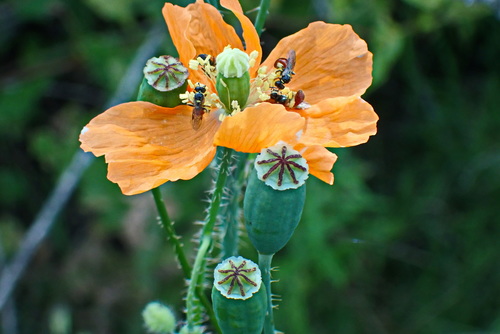
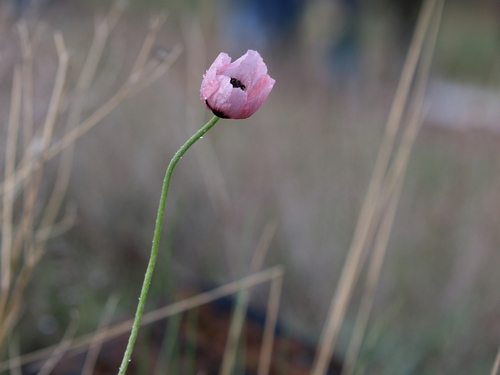
iNaturalist· cc-by-sa
(c) Dinesh Valke, some rights reserved (CC BY-SA)
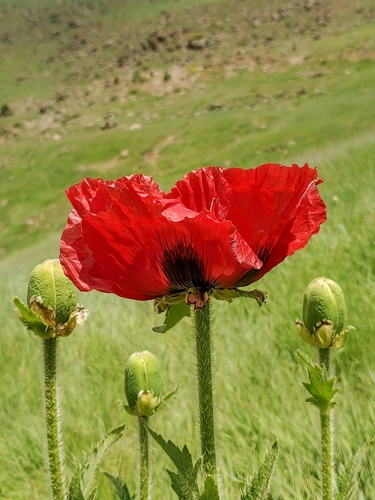
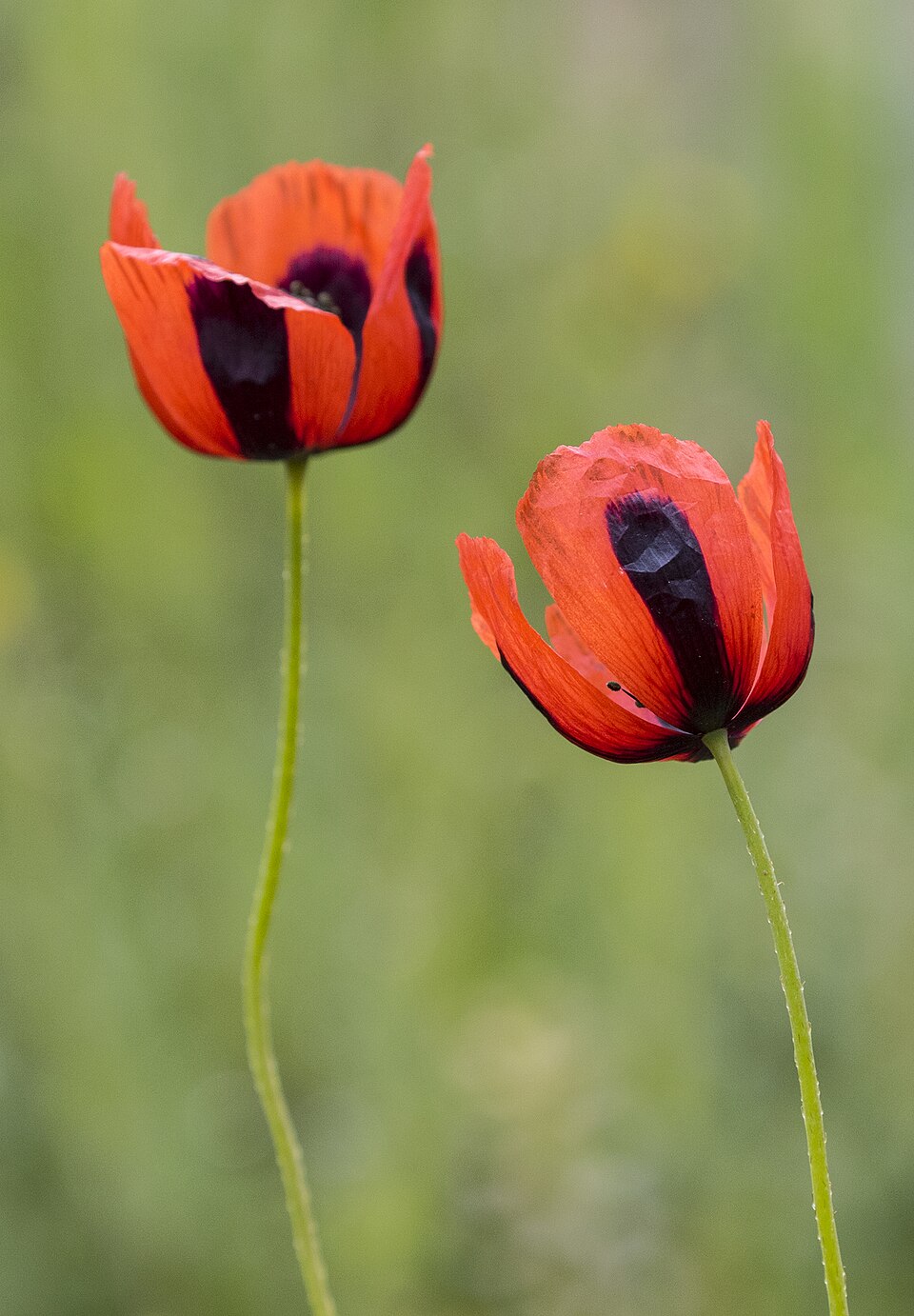
iNaturalist· cc-by-nc
(c) Altaf Hussain Talpur, some rights reserved (CC BY-NC), uploaded by Altaf Hussain Talpur
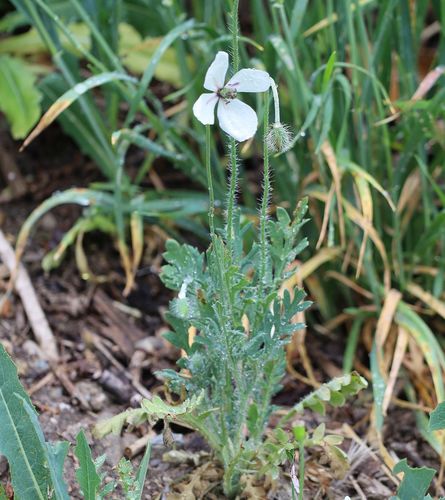
iNaturalist· cc-by-sa
(c) Dinesh Valke, some rights reserved (CC BY-SA)
Description
An annual herb. It grows up to 25 cm high. The leaves are 3-10 cm long and 2-5 cm wide. It is divided into lobes.
This description is brief — help expand it
Edible Uses
The leaves are cooked and eaten.
Traditional Uses
The leaves are cooked and eaten.
This uses section is brief — help expand it
Medicinal Uses
It is used in medicines and contains alkaloids.
Known Hazards
Caution advised with edible portion.
Distribution
It is a subtropical plant. It grows as a weed in fields.
Where It Grows
Afghanistan, Asia, Australia, Himalayas, India, Nepal, Pakistan,
Production
Leaves are available in the winter season in Rajasthan in India.
Notes
There are about 60 Fumaria species. It is used in medicines. It contains alkaloids.
Synonyms
Also Known As
Gajra, Indu, Parpata, Pitapra, Shatarrah, Shook sag
References (6)
- Bhatia, H., et al, 2018, Traditionally used wild edible plants of district Udhampur, J&K, India. Journal of Ethnobiology and Ethnomedicine (2018) 14:73
- Flora of Pakistan. www.eFloras.org
- J. Linn. Soc., Bot. 44:313. 1919
- Khan, M. T., et al, 2016, Ethnobotanical Study of Wild Flora in the Remote Areas of Northern Pakistan. Wulfenia Journal Vol. 23, No 10 p 156
- Singh, V. and Singh, P., 1981, Edible Wild Plants of Eastern Rajasthan. J. Econ. Tax. Bot. Vol 2 pp 197-207
Show all 6 references Hide references
- Tareen, N. M., et al, 2016, Ethnomedicinal Utilization of Wild Edible Vegetables in District Harnai of Balochistan Province - Pakistan. Pakistan Journal of Botany 48(3): 1159-1171