Panax pseudoginseng
Wall.
Ginseng
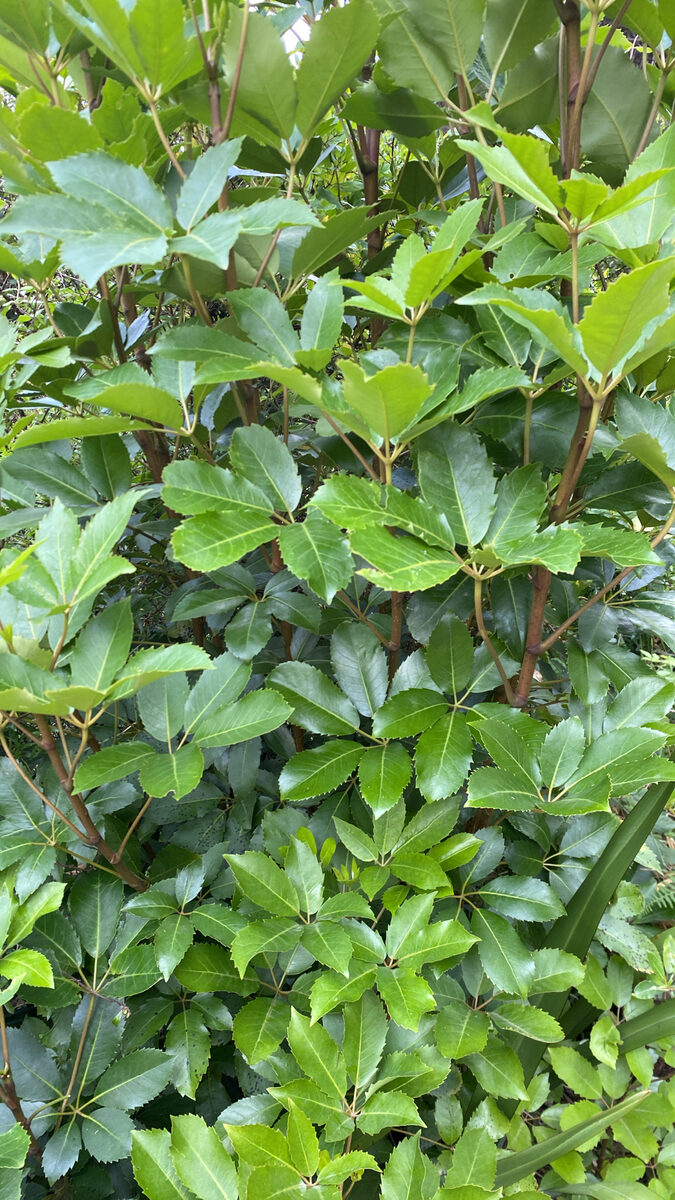
iNaturalist· cc-by
(c) Siddarth Machado, some rights reserved (CC BY), uploaded by Siddarth Machado
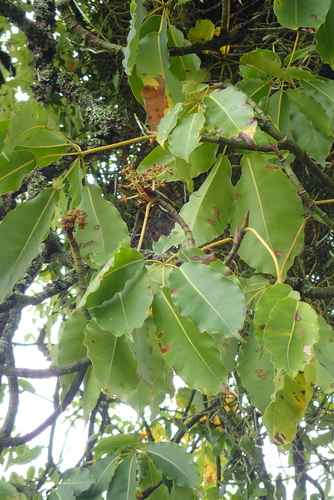
iNaturalist· cc-by
(c) Siddarth Machado, some rights reserved (CC BY), uploaded by Siddarth Machado
iNaturalist· cc-by
(c) Siddarth Machado, some rights reserved (CC BY), uploaded by Siddarth Machado
Summary
Source: WikipediaPanax pseudoginseng is a species of plant in the family Araliaceae, native to Nepal and Tibet. Common names include pseudoginseng, Nepal ginseng and Himalayan ginseng. Pseudoginseng belongs to the same scientific genus as ginseng.
Description
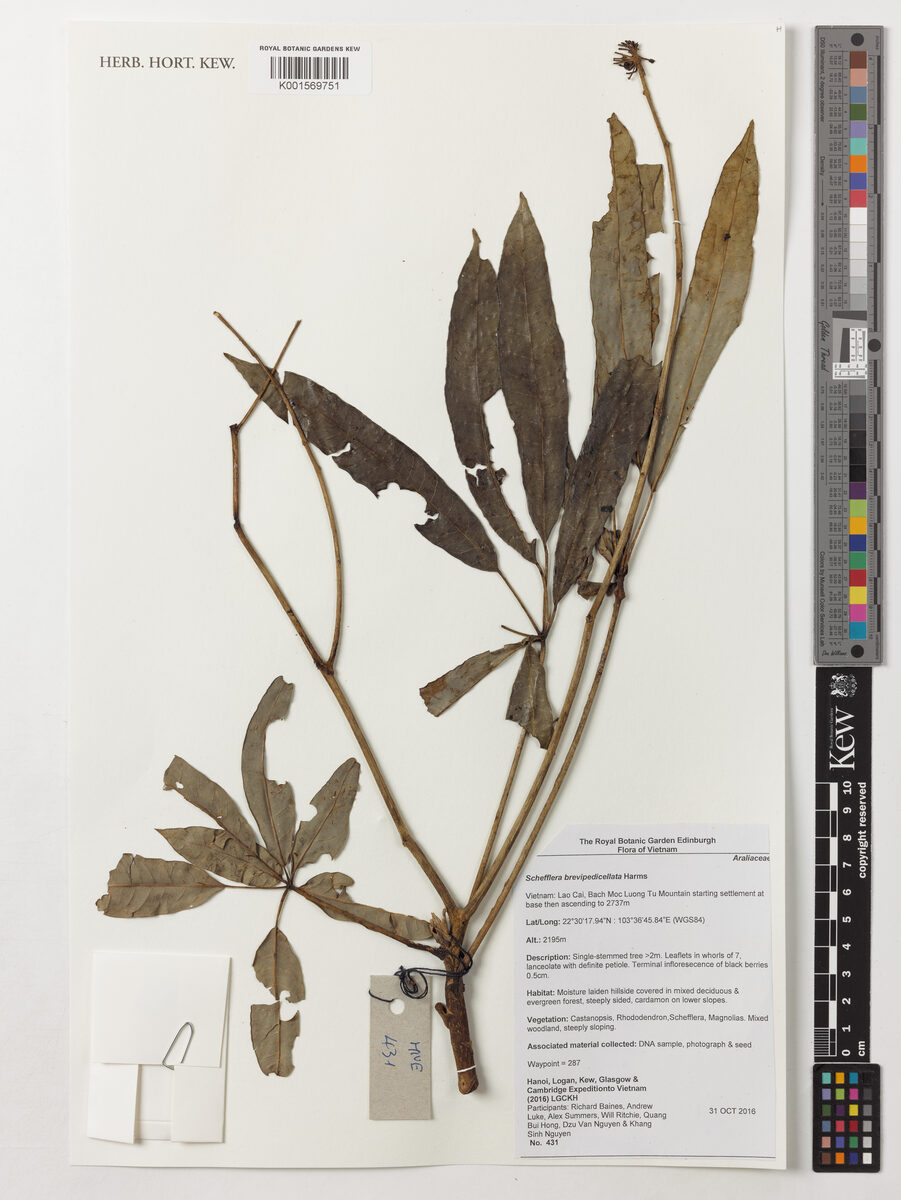
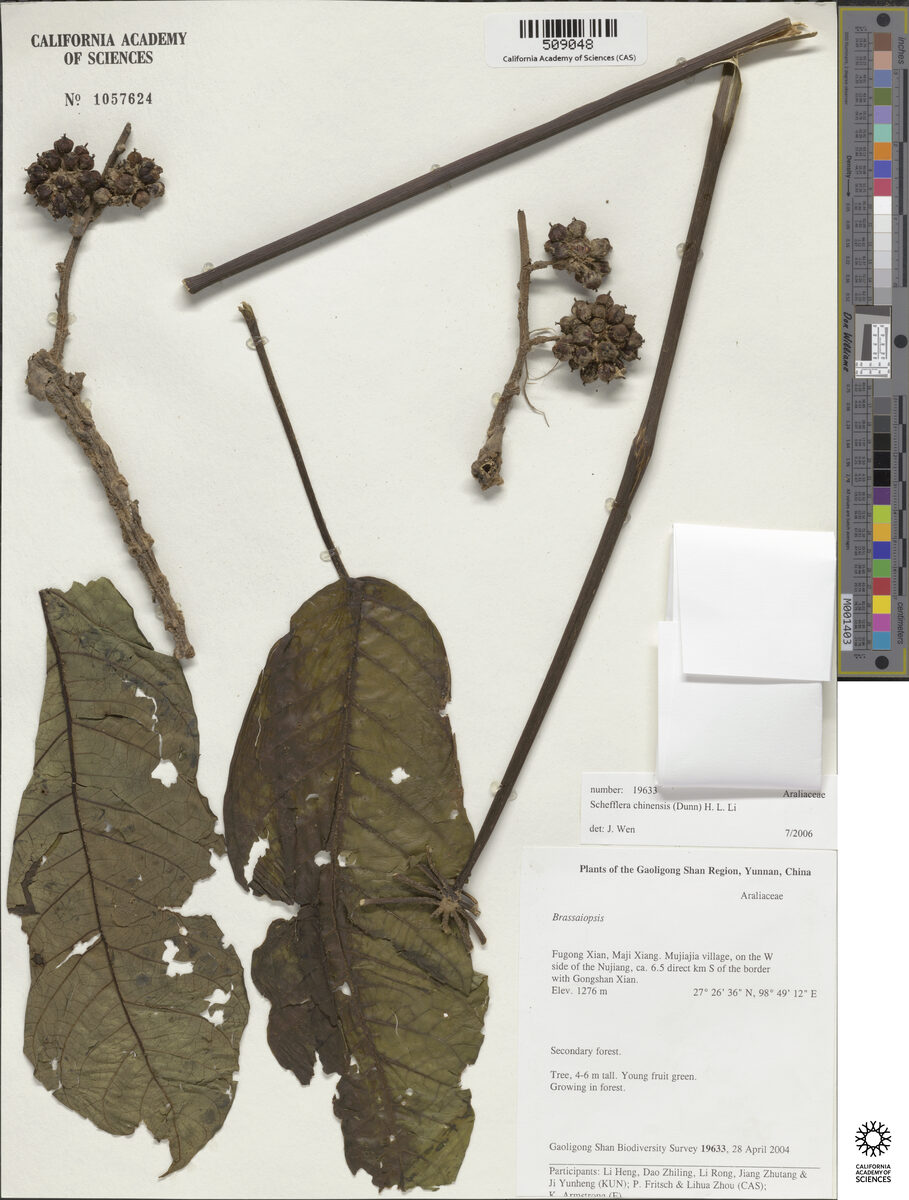
A herb. It grows to 60 cm high. It has a fattened tuberous rootstock. The leaves have stalks. The leaves are divided like fingers on a hand into leaflets which have a very small stalk. The leaflets are 5-15 cm long by 0.8-6 cm wide. They are sword shaped and taper to the tip. They have fine teeth around the edge. They have bristly hairs on both surfaces. The flowers are white.
Edible Uses
Young leaves and shoots can be cooked as a vegetable. The roots are chewed, used as a flavouring in liqueurs, or made into a tea.
Traditional Uses
The young leaves and shoots are cooked as a vegetable.
This uses section is brief — help expand it
Medicinal Uses
The roots and flowers are antibacterial, anti-inflammatory, antiseptic, aphrodisiac, cardiotonic, diuretic, expectorant, haemostatic, hypoglycaemic, and stimulant. The root is used internally to treat indigestion, vomiting, coronary heart disease, and angina. Both internally and externally, roots are used to treat nosebleeds and haemorrhages from the lungs, digestive tract, and uterus, as well as injuries. Roots are harvested in autumn, preferably from plants 6–7 years old, and can be used fresh or dried. The flowers are used to treat vertigo and dizziness.
Known Hazards
Avoid during pregnancy and breastfeeding. Avoid if on anticoagulants or ticlodipine (for blood clot formation).
Distribution
A subtropical plant. In Nepal they grow between 2000-3300 m altitude. They grow in moist, shady places.
Where It Grows
Asia, Bhutan, China, Himalayas, India, Indochina, Myanmar, Nepal, SE Asia, Thailand, Tibet,
Cultivation
Requires a moist humus rich soil in a shady position in a woodland. Plants are hardy to at least -15°c. Nomenclature of this genus is rather confused with some botanists recognising P. ginseng as a variable plant that includes this species. Other botanists divide it into 4 or even 5 distinct species, giving this plant specific status. This plant has been grossly over-collected from the wild for its use as a medicinal plant and it is rapidly approaching extinction in most parts of its range. The sub-species P. pseudo-ginseng notoginseng. (Burkill.)Hoo.&Tseng. is the form used medicinally in China, this plant is given a separate entry in this database.
Propagation
Sow seed in a shady position in a cold frame, preferably as soon as it is ripe, otherwise as soon as it is obtained. Germination can be very slow and erratic. Prick out seedlings into individual pots when large enough to handle and grow on in a shady position in a greenhouse or frame for at least their first winter. Ensure pots are deep enough to accommodate the roots. Plant out into permanent positions in late summer. Alternatively, propagate by division in spring.
Other Uses
None known.
Synonyms
Also Known As
Keura, Sanchi, Tarika
References (9)
- Arora, R. K., 2014, Diversity in Underutilized Plant Species - An Asia-Pacific Perspective. Bioversity International. p 106
- Heywood, V.H., Brummitt, R.K., Culham, A., and Seberg, O. 2007, Flowering Plant Families of the World. Royal Botanical Gardens, Kew. p 43
- Macmillan, H.F. (Revised Barlow, H.S., et al), 1991, Tropical Planting and Gardening. Sixth edition. Malayan Nature Society. Kuala Lumpur. p 364
- Manandhar, N.P., 2002, Plants and People of Nepal. Timber Press. Portland, Oregon. p 346
- Trans. Med. Soc. Calcutta 4:117. 1829 (Pl. asiat. rar. 2:30, t. 137. 1831)
Show all 9 references Hide references
- van Wyk, B., 2005, Food Plants of the World. An illustrated guide. Timber press. p 274
- World Checklist of Useful Plant Species 2020. Royal Botanic Gardens, Kew
- Yeshi, K. et al, 2017, Taxonomical Identification of Himalayan Edible Medicinal Plants in Bhutan and the Phenolic Contents and Antioxidant Activity of Selected Plants. TBAP 7 (2) 2017 pp 89 - 106
- Zeven, A. C. & de West, J. M. J., 1982, Dictionary of cultivated plants and their regions of diversity. Wageningen. p 32