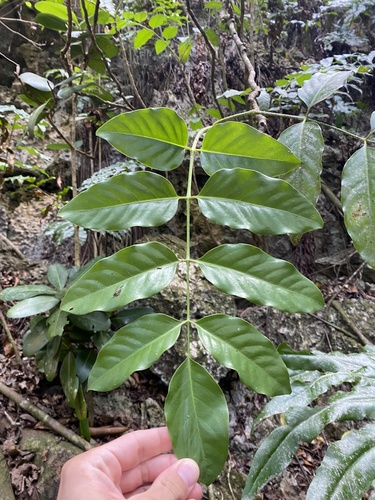
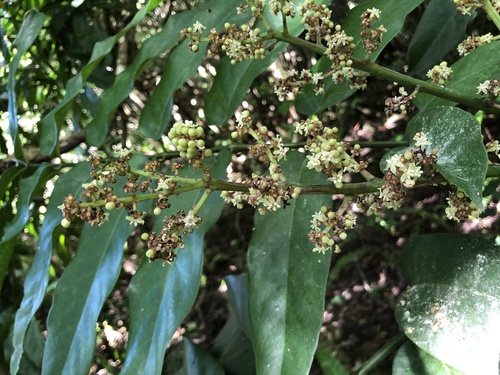
Schefflera umbellifera
(Sond.) Baill.
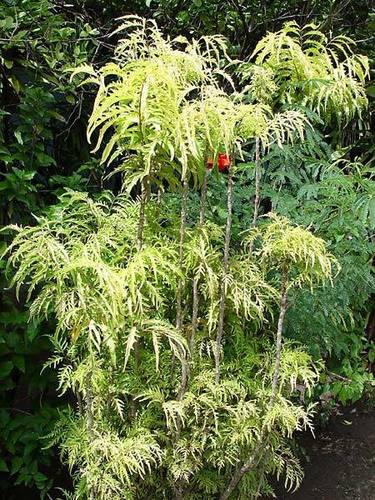
iNaturalist· cc-by-nc
(c) Sandra Dell, some rights reserved (CC BY-NC)
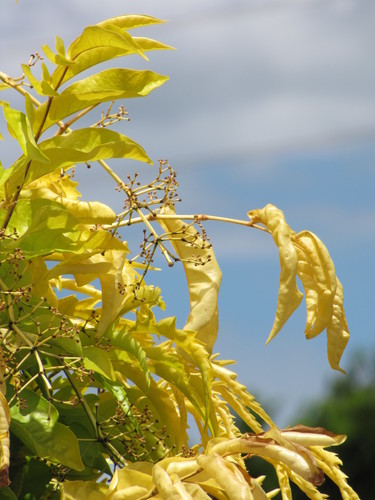
iNaturalist· cc-by-nc
(c) Sandra Dell, some rights reserved (CC BY-NC)
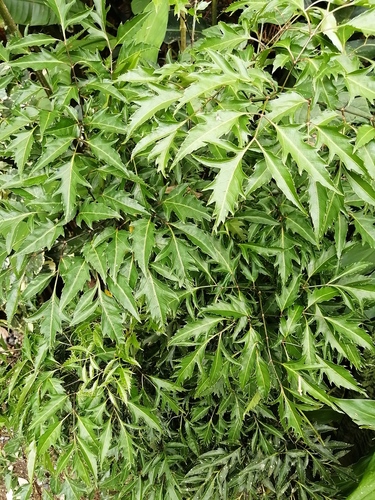
iNaturalist· cc-by-nc
(c) Craig Peter, some rights reserved (CC BY-NC)
Description
A small tropical tree in the Araliaceae family.
This description is brief — help expand it
Edible Uses
The fruit is eaten.
Medicinal Uses
A dichloromethane extract of N. umbellifera yields an active compound, betulin, which shows some antiplasmodial activity. Leaf and bark decoctions and infusions have been used in traditional medicine for indigestion, rheumatism, colic, insanity and malaria. Roots are used as a diuretic and laxative, for malaria, venereal diseases and nausea. Bark extracts are also used for stomach ulcers. Compounds from Araliaceae display a wide range of pharmacological properties including antifungal, antimalarial, anti-inflammatory, anti-brain tumour and antibacterial activity.
Distribution
It is a tropical plant.
Where It Grows
Africa, Central Africa, Congo DR,
Cultivation
This is not a tree for very dry areas. Young trees are frost sensitive, but older trees can tolerate moderate frosts. The tree has large thick roots, it should not be planted too close to buildings, pools or paving.
Propagation
Seed - it germinates best if it has previously passed through the digestive system of a bird, since the digestive juices help to break down the seed wall. Sow in a shady position in a nursery seedbed or in containers and keep moist. Germination can take place within 4 - 6 weeks.
Other Uses
The whitish, lightweight and soft wood is used for boxes and matches.
Synonyms
References (2)
- Brevard County Edible Acres
- Martin,