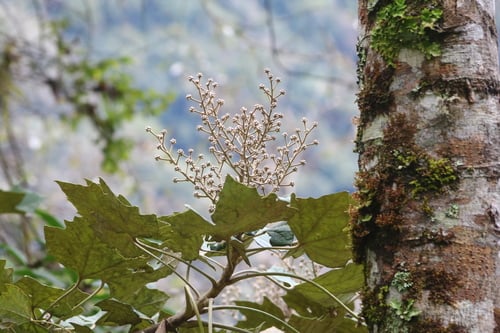
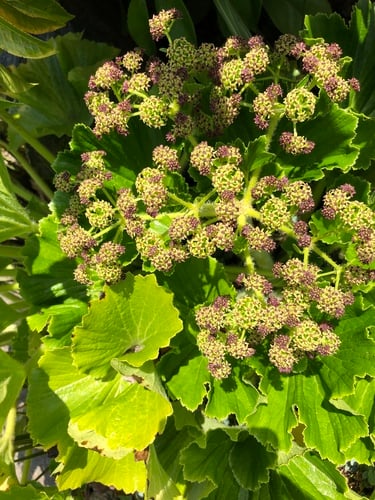
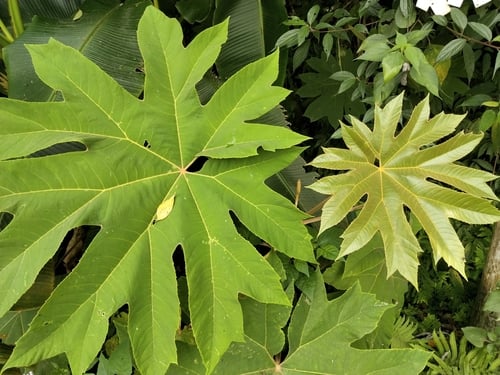
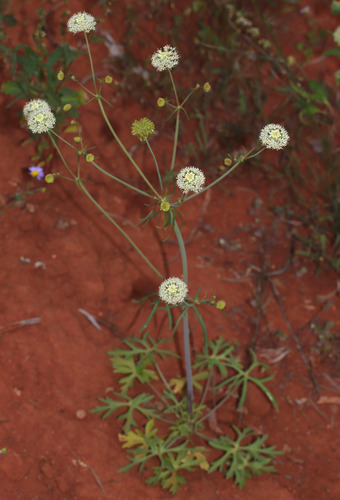
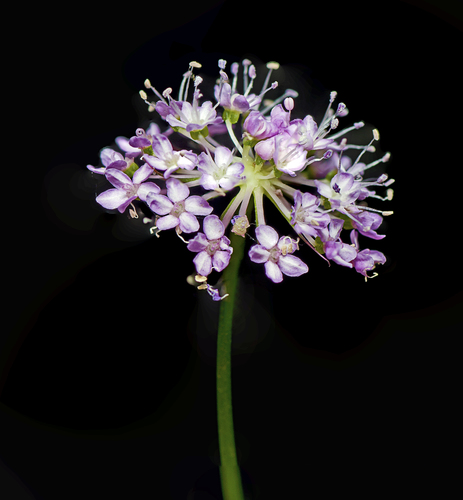
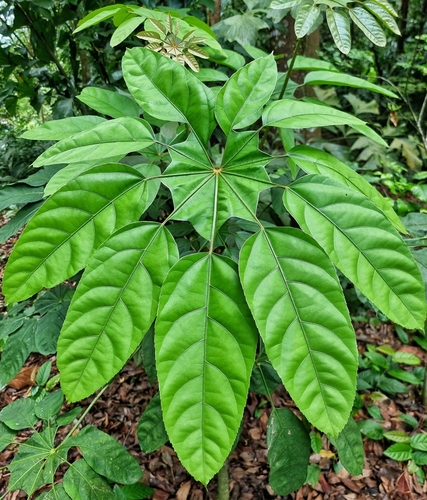
Stilbocarpa polaris - (Homb.&Jacq.)Gray.
(Homb.&Jacq.)Gray.
gbif· cc-by
Royal Botanic Gardens, Kew
gbif· cc-by
Museum of New Zealand Te Papa Tongarewa
gbif· cc-by-nc
University of Cincinnati, Margaret H. Fulford Herbarium - Vascular Plants (CINC)
Description
Stilbocarpa polaris is a PERENNIAL growing to 1.8 m (6ft). The species is hermaphrodite (has both male and female organs). Suitable for: light (sandy), medium (loamy) and heavy (clay) soils. Suitable pH: mildly acid, neutral and basic (mildly alkaline) soils. It can grow in semi-shade (light woodland) or no shade. It prefers moist soil.
Edible Uses
Root - cooked. The long roots are saccharine and have been used by ship-wrecked sailors as sustenance for lengthened periods. Leaf stems - cooked. A celery flavour. Leaves - cooked. They taste like wet blotting paper.
Distribution
New Zealand.
Where It Grows
Coming Soon
Cultivation
We have very little information on this species and do not know if it will be hardy in Britain, though judging by its native range it should succeed outdoors in most parts of the country. One report says that it is possibly worthy of cultivation as an edible plant in cold countries. The plant is likely to be very wind tolerant, probably of maritime exposure, but we do not know what other cultivation requirements it might have.
Propagation
Seed - we have no information on this species but suggest sowing the seed in late winter in a greenhouse. Prick out the seedlings into individual pots once they are large enough to handle and grow them on in the greenhouse for their first winter, planting out in late spring or early summer. Division can be tried in spring.