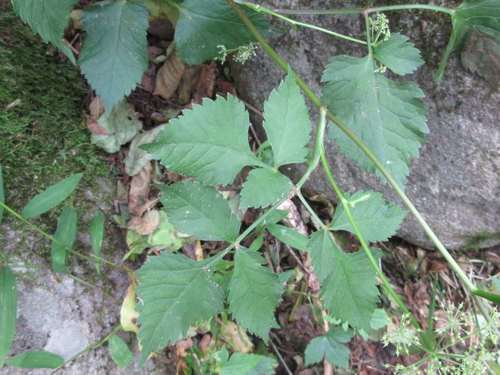
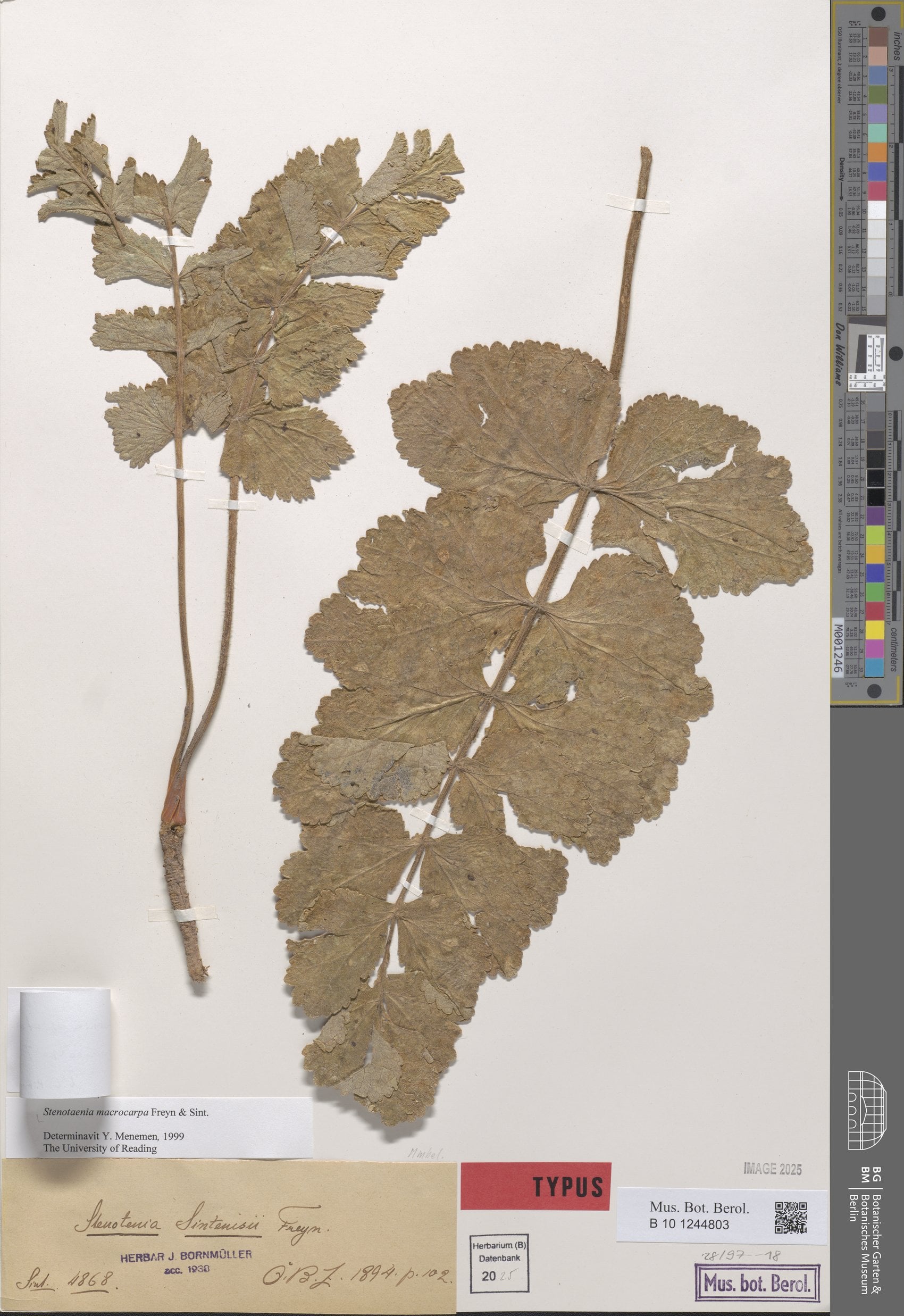
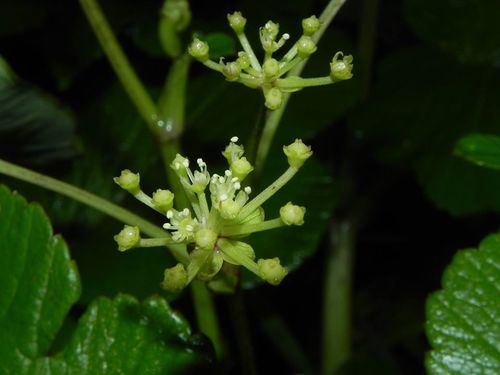
Heracleum sphondylium sibiricum - (L.)Simonkai.
(L.)Simonkai.
gbif· cc-by-nc
mantis203
gbif· cc-by-nc
mantis203
gbif· cc-by-nc
snsergeevna
Description
Heracleum sphondylium sibiricum is a BIENNIAL growing to 1.8 m (6ft). It is not frost tender. It is in flower from June to September. The species is hermaphrodite (has both male and female organs) and is pollinated by Insects. The plant is self-fertile. Suitable for: light (sandy), medium (loamy) and heavy (clay) soils. Suitable pH: mildly acid, neutral and basic (mildly alkaline) soils. It can grow in full shade (deep woodland) semi-shade (light woodland) or no shade. It prefers moist soil.
Edible Uses
Sweetener. Stem and young shoots - raw or cooked. Used as a green vegetable, when harvested just as they are sprouting from the ground they are somewhat like asparagus in flavour. The rind is somewhat acrid. A sweet substance resembling sugar forms on the dried stems. A great delicacy. The peduncles, before flowering, can be eaten as a vegetable or added to soups. Root. No further details are given.
Medicinal Uses
Aphrodisiac Digestive Expectorant Sedative. The whole plant, harvested shortly before or at flowering time, is aphrodisiac, digestive, mildly expectorant and sedative. It is used in the treatment of laryngitis and bronchitis, though it can cause allergic dermatitis in some people.
Known Hazards
Many members of this genus contain furanocoumarins. These have carcinogenic, mutagenic and phototoxic properties. This sub-species is said to be non-toxic.
Distribution
N.E. to C. Europe.
Where It Grows
Coming Soon
Cultivation
Succeeds in any ordinary garden soil, doing best in moist soils or deep woodland. This species contains a large number of sub-species. This sub-species is said to be free of toxic substances. A good bee plant.
Propagation
Seed - sow mid to late spring or early autumn in situ.