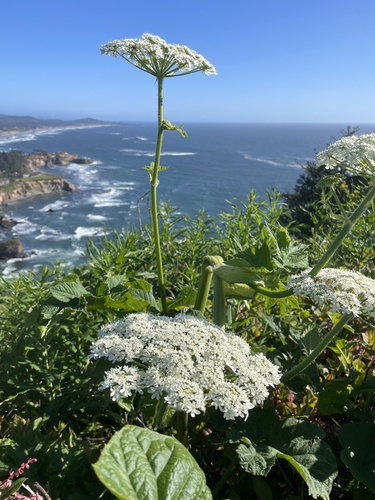
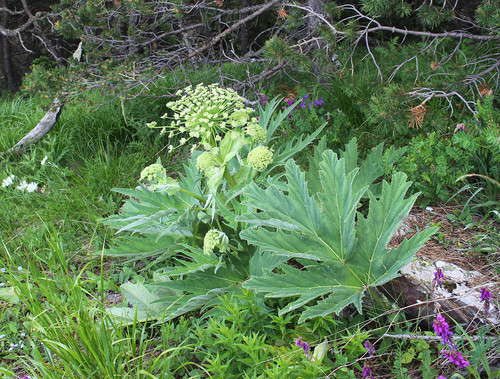
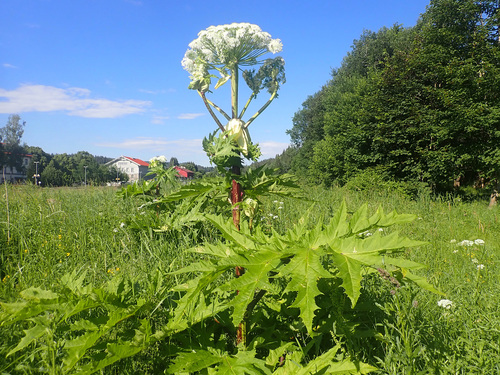
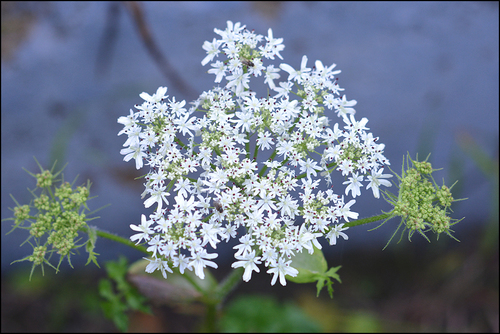
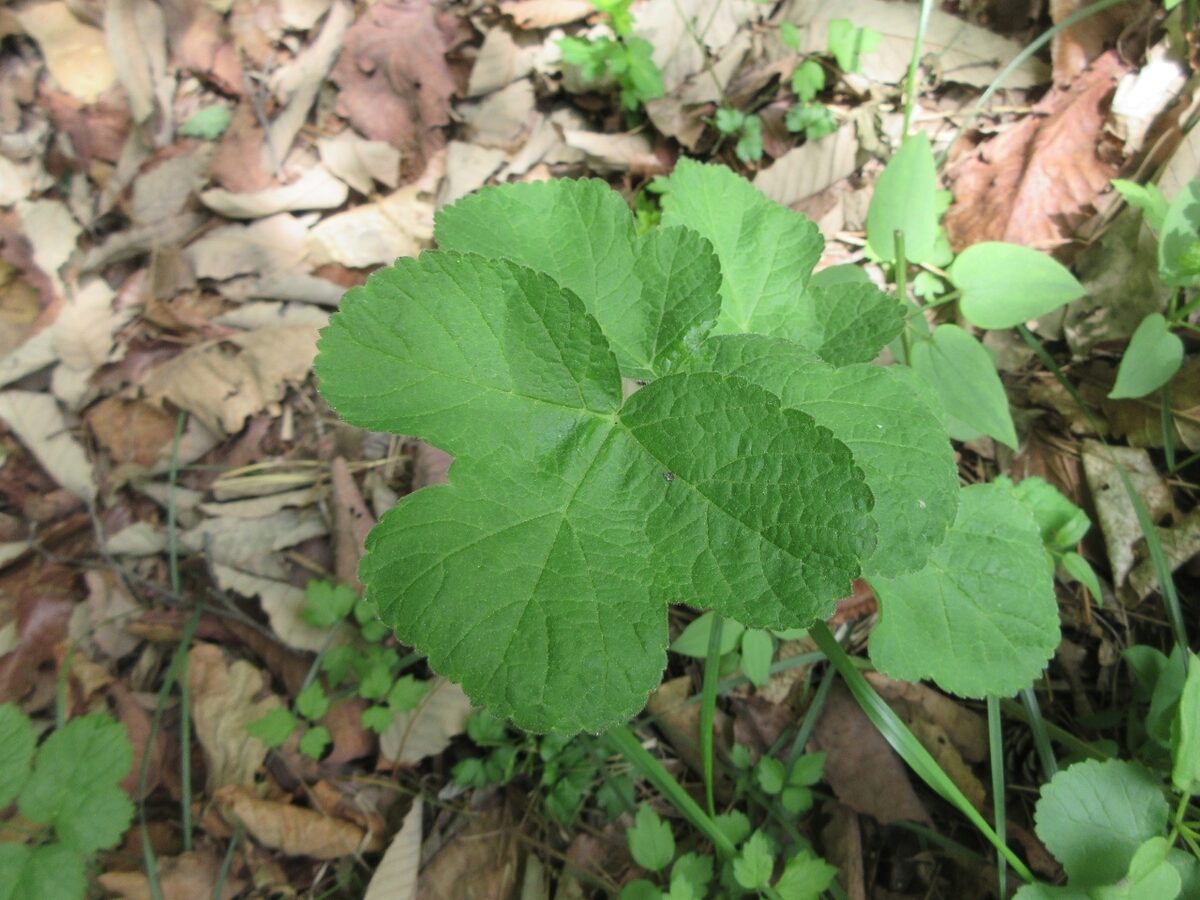
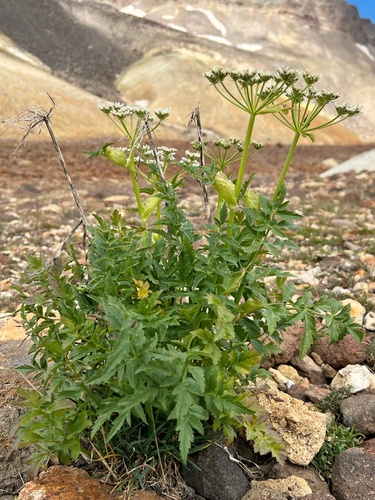
Heracleum sphondylium subsp. sibiricum
(L.) Simonk.
iNaturalist· cc-by-nc
(c) Florian Adelsberger, some rights reserved (CC BY-NC), uploaded by Florian Adelsberger
iNaturalist· cc-by-sa
(c) Andreas Rockstein, some rights reserved (CC BY-SA)
iNaturalist· cc-by-nc
(c) Katherine Wright, some rights reserved (CC BY-NC), uploaded by Katherine Wright
Summary
Source: WikipediaHeracleum sphondylium, commonly known as hogweed or common hogweed, is a herbaceous perennial plant in the carrot family Apiaceae, which includes fennel, cow parsley, ground elder and giant hogweed. It is native to most of Europe, western Asia and northern Africa, but is introduced in North America and elsewhere. Other common names include cow parsnip (not to be confused with Heracleum maximum of North America). The flowers provide a great deal of nectar for pollinators.
Description
A herbaceous plant in the carrot family (Apiaceae) found in temperate regions, historically used as a famine food.
This description is brief — help expand it
Edible Uses
The leaves are eaten.
Medicinal Uses
Borscht derives from an ancient soup originally cooked from pickled stems, leaves and umbels of common hogweed. The young shoots are considered excellent eating by many foragers. In eastern European countries and especially Romania, H. sphondylium is used as an aphrodisiac and to treat gynecological and fertility problems and impotence. It is also sometimes recommended for epilepsy. However, there are no clinical studies to prove its efficacy at treating any of these problems. The seeds can be dried and used as a spice, with a flavour similar to that of cardamom.
Distribution
It is a temperate plant.
Where It Grows
Austria, Bosnia & Herzegovina, Bulgaria, Czech Republic, Denmark, Europe, France, Germany, Greece, Hungary, Ital, Latvia, Macedonia, Norway, Romania, Russia,
Other Information
It is a famine food.
References (1)
- Pruse, B., et al, 2021, Active Wild Food Practices among Culturally Diverse Groups in the 21st Century across Latgale, Latvia. Biology 2021, 10, 551.