Osmanthus americanus
(L.) Benth. & Hook. f. ex A. Gray
American olive
iNaturalist· cc-by-nc
(c) Kim and Peter Connolly, some rights reserved (CC BY-NC)
iNaturalist· cc-by-nc
(c) Noah Stefanik, some rights reserved (CC BY-NC)
iNaturalist· cc-by-nc
(c) Noah Stefanik, some rights reserved (CC BY-NC)
Description
An evergreen shrub or small tree. It grows 9 m tall. The trunk is 30 cm across. The bark is grey, thin and scaly. The inner bark is dark red. The crown is oblong. The leaves are opposite and 9-13 cm long by 2-4 cm wide. They are narrowly oval and thick and leathery. They are shiny green above and dull and paler underneath. The flowers are 5 mm wide. They are bell shaped and white. The male and female flowers are usually on separate plants. The flowers are in clusters. The fruit are like olives. They are dark blue and 10-19 mm long. They have a thin pulp and large stone.
Edible Uses
The fruit are softened in brine and eaten like green olives. The flowers are used to add aroma to black tea.
Traditional Uses
The fruit are softened in brine and used like green olives. The flowers are used to add aroma to black tea.
This uses section is brief — help expand it
Distribution
It is a subtropical plant. It grows in moist soils. It can be near riverbanks or as an understorey plant in forests. It grows to 150 m altitude in the southern USA.
Where It Grows
Mexico, North America, USA,
Notes
There are about 32 Osmanthus species.
Also Known As
Devilwood, Wild olive
References (8)
- Facciola, S., 1998, Cornucopia 2: a Source Book of Edible Plants. Kampong Publications, p 163 (As Osmanthus americana)
- Hedrick, U.P., 1919, (Ed.), Sturtevant's edible plants of the world. p 455 (As Osmanthus americana)
- Kermath, B. M., et al, 2014, Food Plants in the Americas: A survey of the domesticated, cultivated and wild plants used for Human food in North, Central and South America and the Caribbean. On line draft. p 593
- Kiple, K.F. & Ornelas, K.C., (eds), 2000, The Cambridge World History of Food. CUP p 1826
- Little, E.L., 1980, National Audubon Society Field Guide to North American Trees. Alfred A. Knopf. p 656
Show all 8 references Hide references
- Plants for a Future database, The Field, Penpol, Lostwithiel, Cornwall, PL22 0NG, UK. http://www.scs.leeds.ac.uk/pfaf/
- Syn. fl. N. Amer. 2(1):78. 1878
- Tanaka,
More from Oleaceae
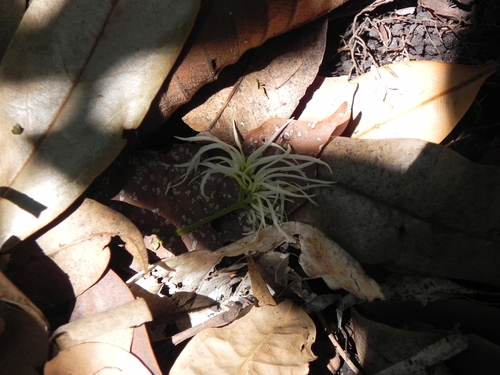
Chionanthus trichotomus
Pitaguara
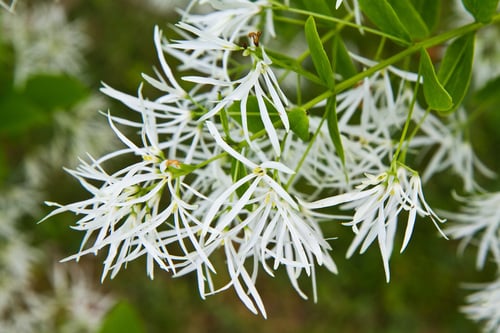
Chionanthus virginicus
Fringe tree, Old Man's Beard, Grancy greybeard
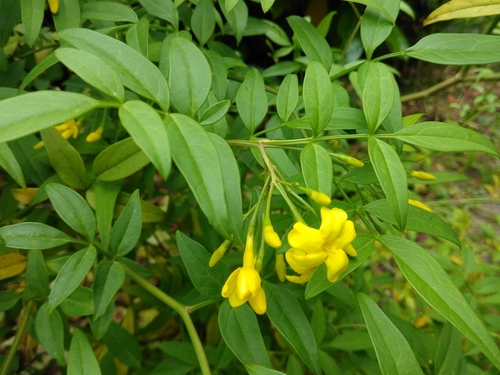
Chrysojasminum humile
Italian yellow jasmine
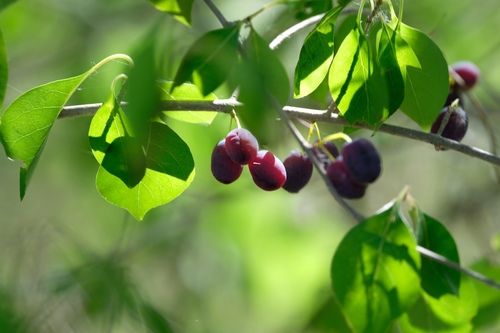
Forestiera acuminata
Swamp privet, Common adelia, Texas forestiera
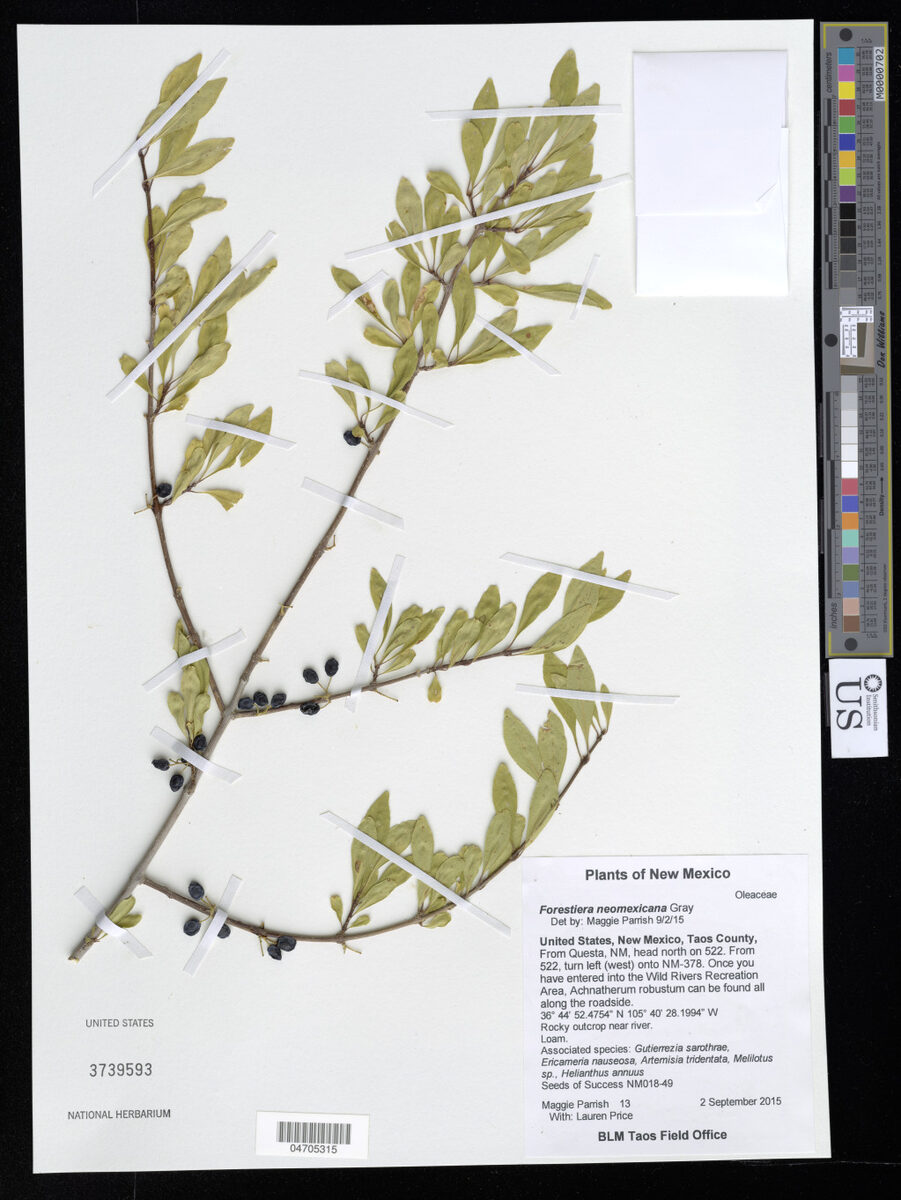
Forestiera neomexicana
Wild Olive
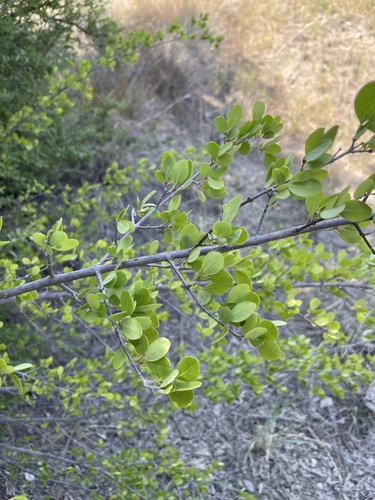
Forestiera pubescens
Wild olive, Desert olive, New Mexican Privet