Chrysojasminum humile
(L.) Banfi
Italian yellow jasmine
iNaturalist· cc-by-sa
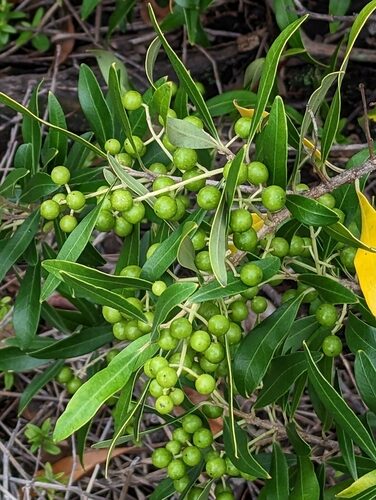
(c) SK53, some rights reserved (CC BY-SA), uploaded by SK53
iNaturalist· cc-by-nc
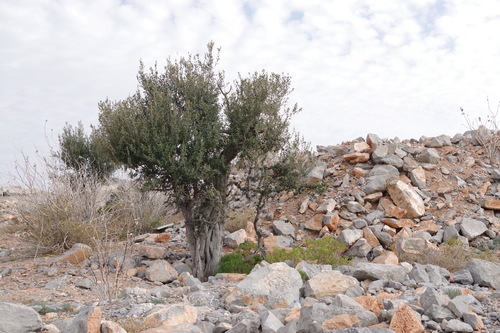
(c) memopob, some rights reserved (CC BY-NC)
Summary
Source: WikipediaChrysojasminum humile (syn. Jasminum humile), the Italian jasmine or yellow jasmine, is a species of flowering plant in the family Oleaceae, native to Afghanistan, Tajikistan, Pakistan, Nepal, Burma (Myanmar), the Himalayas and south west China (Gansu, Guizhou, Sichuan, Xizang (Tibet), Yunnan). The species is widely cultivated and reportedly naturalized in Greece, Sicily and the former Yugoslavia. Growing 2.5–4 m (8–13 ft) tall by 3 m (10 ft) wide, it is a roundish semi-evergreen shrub with thick stems. It has stout, dark green leaves, 5 cm long, with 5–7 imparipinnate leaflets. In protected areas it retains its leaves over winter, though in cold winters its foliage and buds may freeze. It blooms in spring and summer with clusters of usually six yellow, scented flowers. Numerous cultivars have been developed for garden use, of which 'Revolutum' (syn. J. reevesii hort.) has gained the Royal Horticultural Society's Award of Garden Merit.
Description
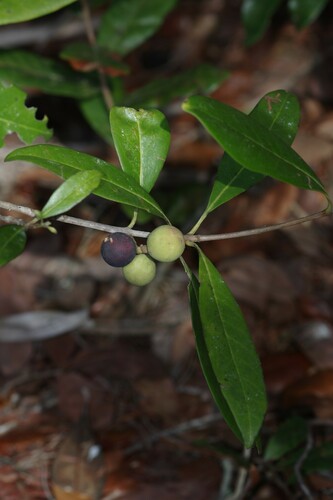
A shrub. The stems are slender. It grows 2-3 m tall. The flowers are yellow and tube shaped. The fruit are shiny black berries. See Jasminum humile.
Edible Uses
The leaves are used as a flavouring and can be brewed into tea.
Distribution
It is a temperate plant.
Where It Grows
Afghanistan, Asia, Bulgaria, China, Europe, Greece, Himalayas, Iran, Italy, Mediterranean, Middle East, Myanmar, Northeastern India, Sicily, Tajikistan, Tibet, Yugoslavia,
Synonyms
References (2)
- Kew Plants of the World Online
- World Checklist of Useful Plant Species 2020. Royal Botanic Gardens, Kew