Amoreuxia palmatifida
Mocino & Sesse ex DC.
Saiya, Mexican yellowshow
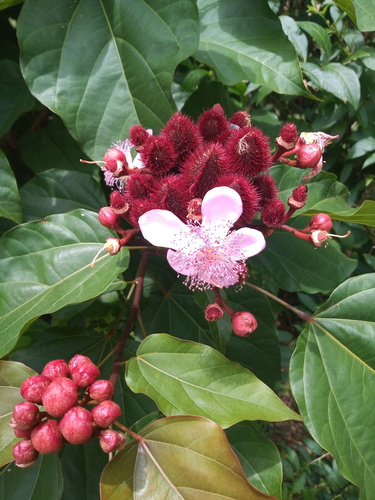
iNaturalist· cc-by-nc
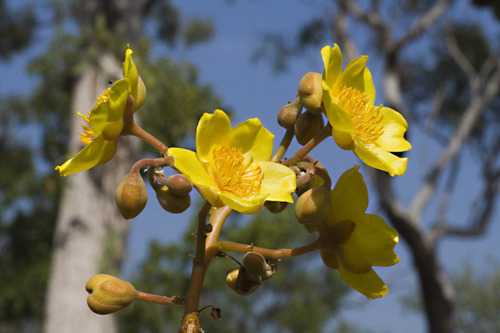
(c) ianmu, some rights reserved (CC BY-NC)
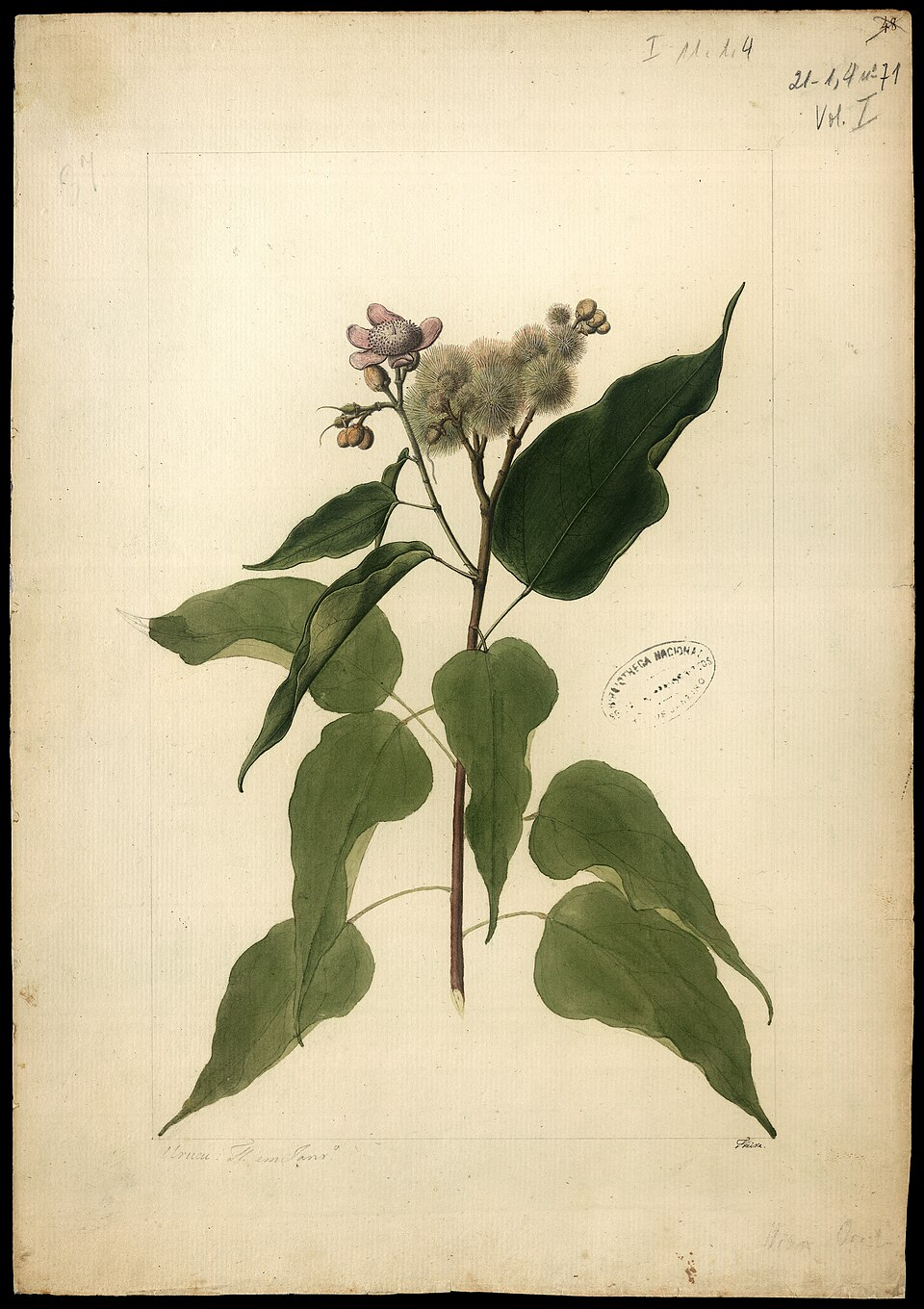
iNaturalist· cc-by-nc
(c) J. Fernando Pío León, some rights reserved (CC BY-NC)
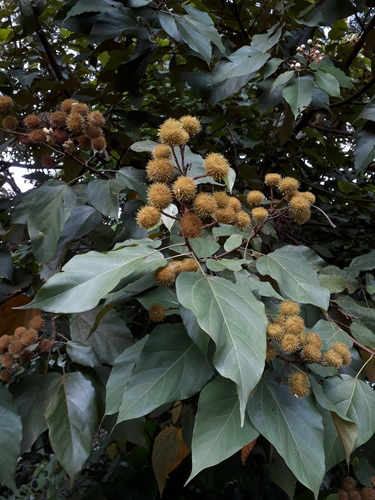
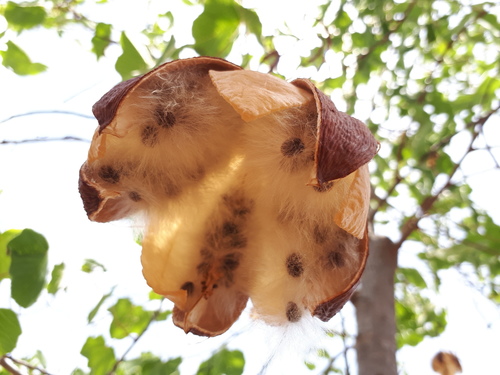
iNaturalist· cc-by-nc
(c) J. Fernando Pío León, some rights reserved (CC BY-NC)
Summary
Source: WikipediaAmoreuxia palmatifida (common names saiya or temaquí) is a perennial herb with a native range from Arizona and New Mexico, through Mexico, Central America and Colombia. It has yellow flowers and long, narrow capsules. The leaves, roots, flowers, and fruits provided food for natives of Arizona and northern Mexico. Amoreuxia palmatifida was observed near Zacapa in the Motagua Valley of Guatemala as an expansive ground cover blanketing the very dry terrain in June. Its flower is described as bright-orange, with purple spots on four of the five petals and tiered banks of twelve stamens with purple and orange anthers. Amoreuxia palmatifida Moc. & Sessé ex DC., Prodr. 2: 638–639. 1825.
Description
A herb. They have woody rootstocks and an annual leafy shoot up to 50 cm high. The leaves have 7-9 lobes. The leaves are 2-6 cm long by 3-9 cm wide. The flowers are large and yellow. The flowers are 5-7 cm long. The seeds are kidney shaped.
Edible Uses
The roots are toasted and eaten, with a flavor similar to carrot or parsnip. Young fruit are eaten raw, and leaves are boiled and eaten as a green vegetable.
Traditional Uses
The roots are toasted and eaten. They taste like carrot or parsnip. The young fruit are eaten raw. The leaves are boiled and eaten as a green vegetable.
Medicinal Uses
The roots are traditionally toasted and consumed.
Distribution
A tropical plant. It grows between 200-1,800 m above sea level.
Where It Grows
Central America, Colombia, Curacao, Mexico, North America, South America, USA,
Notes
There are 3-4 species of Amoreuxia. They are in Mexico. Also put in the family Cochlospermaceae.
Synonyms
Also Known As
Maniweri, Manuweri, Pochotilla, Saya, Taraqui, Yuquilla
References (7)
- Altschul, S.V.R., 1973, Drugs and Foods from Little-known Plants. Notes in Harvard University Herbaria. Harvard Univ. Press. Massachusetts. no. 2892
- Beckstrom-Sternberg, Stephen M., and James A. Duke. "The Foodplant Database." http://probe.nalusda.gov:8300/cgi-bin/browse/foodplantdb.(ACEDB version 4.0 - data version July 1994)
- Desert Survivors Online Plant Database
- Felger, R.S., Ancient Crops for the Twenty first century, in Rickie, G.A., (ed), 1979, New Agricultural Crops, AAAS Selected Symposium 38. Westview Press, Colarado. p 10 Hans-Helmut Poppendieck, H., 1981, Cochlospermaceae: Flora Neotropica, Vol. 27, Cochlospermaceae, p. 19
- Kermath, B. M., et al, 2014, Food Plants in the Americas: A survey of the domesticated, cultivated and wild plants used for Human food in North, Central and South America and the Caribbean. On line draft. p 57
Show all 7 references Hide references
- Martin, P. S. et al, (Eds.), 1998, Gentry's Rio Mayo Plants. The Tropical Deciduous Forest & Environs of Northwest Mexico. University of Arizona Press. p 292
- Prodr. 2:638. 1825