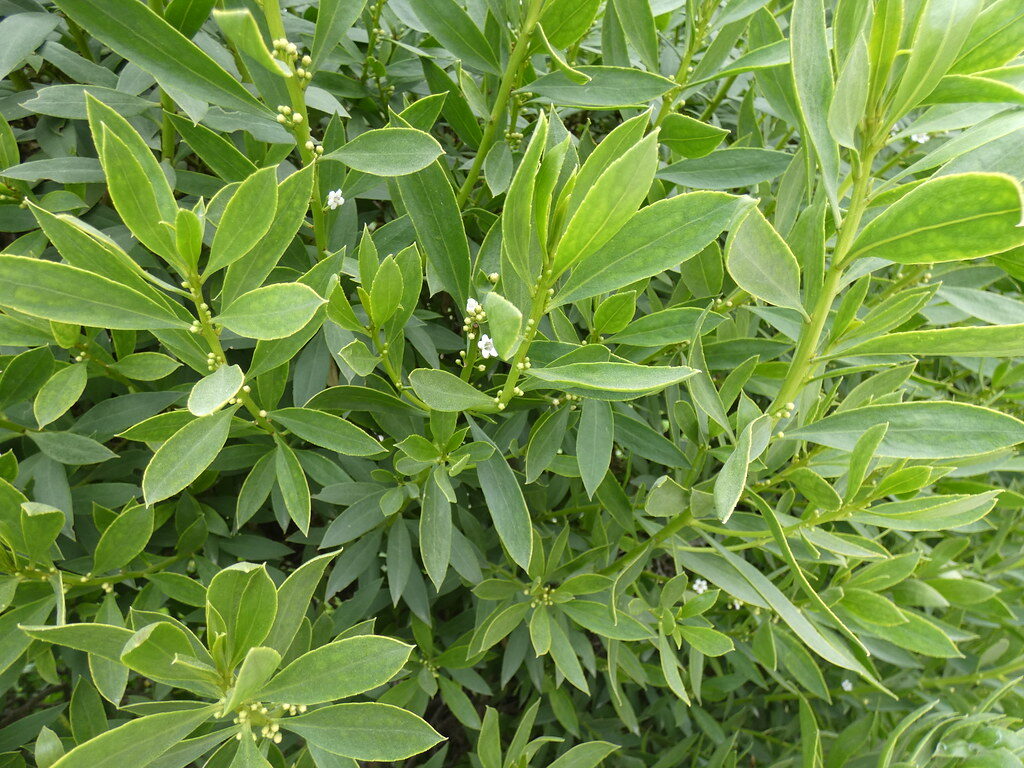
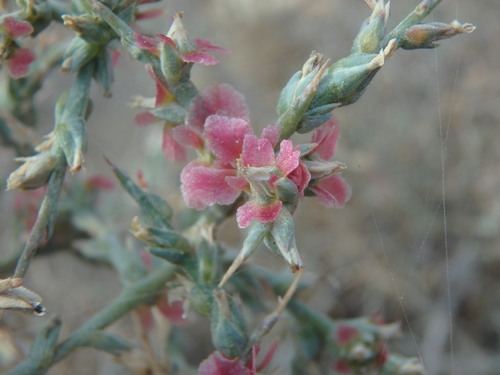
Amaranthus blitum
L.
Wild Amaranth, Strawberry Spinach
iNaturalist· cc-by
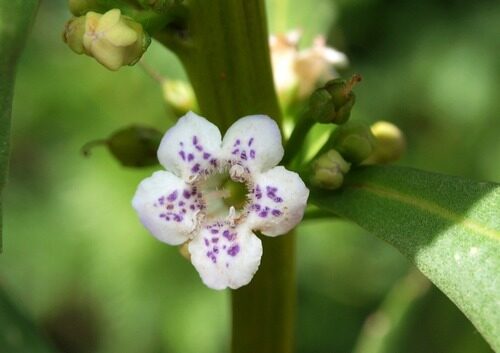
(c) TonyT, some rights reserved (CC BY), uploaded by TonyT
iNaturalist· cc-by-sa
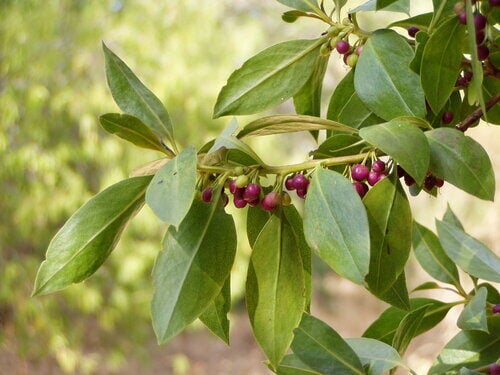
(c) Douglas Goldman, some rights reserved (CC BY-SA), uploaded by Douglas Goldman
iNaturalist· cc-by-nc
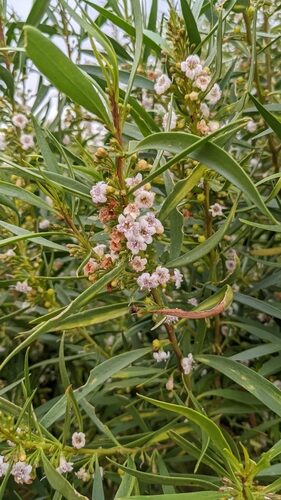
(c) Markus Traud, some rights reserved (CC BY-NC), uploaded by Markus Traud
Summary
Source: WikipediaAmaranthus blitum, commonly called purple amaranth or Guernsey pigweed, is an annual plant species in the economically important plant family Amaranthaceae. It has a number of culinary uses.
Description
An annual plant up to 1 m high. The leaf stalk is slender. The leaves are oval and 1-6 cm long. There are prominent veins under the leaf. The male and female flowers are separate but on the same plant. They are in a spike at the top of the plant. The male and female flowers are mixed. The flowers are green. The seeds are round and 1-1.8 mm across. They are dark brown to black.
Edible Uses
Leaves can be eaten raw or cooked as a spinach. Nutritional analysis per 100g fresh weight shows approximately 3.9g protein, 1.1g fat, 9.4g carbohydrate, 3.2g ash, 323mg calcium, and 8.3mg iron, with high levels of vitamins A and C and good vitamin B1 content. Leaves are also used as a potherb to help remove poison from the system. Seeds are edible cooked and used as a cereal substitute in cakes and porridge. At around 1.2mm in diameter they are easy to harvest and nutritious, though cooking them whole makes them gelatinous and their small size means some will pass through the digestive system without being fully assimilated. An edible dye is obtained from the seed capsules.
Traditional Uses
The leaves and young plant are eaten cooked. The seeds are ground into flour and used to make bread. CAUTION: This plant can accumulate nitrates if grown with high nitrogen inorganic fertilisers and these are poisonous. An edible dye is obtained from the seed capsules.
Medicinal Uses
A fluid extract of the plant is used as an astringent, taken internally for ulcerated mouths and throats, and applied externally as a wash for ulcers and sores. Root juice is applied externally to relieve headaches. The plant has a folk reputation for effectiveness against tumours and warts.
Known Hazards
No members of this genus are known to be poisonous, but when grown on nitrogen-rich soils they are known to concentrate nitrates in the leaves. This is especially noticeable on land where chemical fertilizers are used. Nitrates are implicated in stomach cancers, blue babies and some other health problems. It is inadvisable, therefore, to eat this plant if it is grown inorganically.
Distribution
It grows in both temperate and tropical zones. It grows well with temperatures above 25°C. In Indonesia it grows from the lowlands to about 2,000 m above sea level. In Argentina it grows up to 500 m above sea level.
Where It Grows
Africa, Albania, Algeria, Andamans, Argentina, Asia, Australia, Austria, Balkans, Bangladesh, Brazil, Bulgaria, Burundi, Cameroon, Cape Verde, Caribbean, Central Africa, Central Asia, China, Congo, Côte d'Ivoire, Czech Republic, Dominica, East Africa, Egypt, Ethiopia, Europe, France, Gambia, Ghana, Greece, Guiana, Guianas, Guinea, Guinée, Guyana, Himalayas, Hungary, India, Indochina, Indonesia, Iran, Italy, Ivory Coast, Japan, Kenya, Laos, Libya, Madagascar, Malawi, Mediterranean, Middle East, Morocco, Mozambique, Nepal, Nigeria, Norfolk Island, North Africa, Northeastern India, Pakistan, Portugal, Rwanda, SE Asia, Senegal, Sikkim, Southern Africa, South America, Spain, Sri Lanka, Suriname, Taiwan, Tajikistan, Tanzania, Togo, Tunisia, Turkey, Türkiye, Turkmenistan, Uganda, Venezuela, Vietnam, West Africa, Yemen, Yugoslavia, Zambia, Zimbabwe,
Cultivation
Often cultivated, especially the form oleraceus, the plant succeeds from the temperate zone through to the tropics. It grows best in areas where annual daytime temperatures are within the range 21 - 27°c, but can tolerate 18 - 32°c. It can be killed by temperatures of 4°c or lower. It prefers a mean annual rainfall in the range 1,200 - 1,500mm, but tolerates 200 - 2,700mm. Prefers a well-drained fertile soil in a sunny position. Requires a hot sheltered position if it is to do well. Prefers a pH in the range 5.5 - 7, tolerating 4.3 to 7.5. The plant has become a weed in many areas of the world outside its original range. It is classified as 'Invasive' in many Pacific Islands. Plants are particularly susceptible to attacks by leaf-chewing insects. Plants should not be given inorganic fertilizers, see notes above on toxicity. This plant was cultivated by the ancient Romans and Greeks for its edible leaves, there are some named varieties. Most if not all members of this genus photosynthesize by a more efficient method than most plants. Called the 'C4 carbon-fixation pathway', this process is particularly efficient at high temperatures, in bright sunlight and under dry conditions. In garden design, as well as the above-ground architecture of a plant, root structure considerations help in choosing plants that work together for their optimal soil requirements including nutrients and water. The predictable growth behaviour makes it easier to maintain without having to apply containment methods.
Propagation
Sow seed in late spring in situ. For an earlier start, sow in a greenhouse and transplant after the last expected frosts. Germination is usually rapid and good in warm soil; a drop in overnight temperature aids germination. Cuttings of growing plants root easily.
Other Uses
Yellow and green dyes can be obtained from the whole plant.
Other Information
It is sold in local markets.
Notes
The leaves contain about 3.88% protein, 1.1% fat, 9.38% carbohydrate, 3.2% ash, 323 mg Ca, 8.3mg Fe, they are very rich in Vitamins A & C, rich in vitamin B1. There are about 60 Amaranthus species. J. D. Hooker (1885) was apparently the first to unite A. blitum L. and A. lividus L., two names of equal priority, and he selected A. blitum
Nutrition
| Part | Moisture | kJ | kcal | Protein | Vit A | Vit C | Iron | Zinc |
|---|---|---|---|---|---|---|---|---|
| Stem + Leaves | — | — | 3.88 | 92 | — | 8.3 | — | — |
| Seed | — | — | — | — | — | — | — | — |
Synonyms
Also Known As
Alap marisha, Annass, Berry-bearing Orache, Blet, Buuza, Chesicheyet, Chooti, Chulai, Ebbuga ergayanamusayi, Gana, Jia gai hen, Khudi aadar arxa, Khudi bhaji, Klaroen, Knoteshak, Krakroen, Krassi-wiwiri, Ladah Laskavec hrubozel, Liwoola, Lude sag, Omuriri, Mo tuo qi pu, Nbola, Pa hong kei, Purple Amaranth, Ranta durja, Sada natya, Tandulja, Ukdi bhaja, Van natya
References (42)
- Abukutsa-Onyango, Mary, 2007, The diversity of cultivated African leafy vegetables in three communities in western Kenya. AJFAND, Volume 7, No. 3
- Al-Fatimi, M. A., Wild Edible Plants Traditionally Collected and Used in Southern Yemen. Research Square. University of Aden.
- Altschul, S.V.R., 1973, Drugs and Foods from Little-known Plants. Notes in Harvard University Herbaria. Harvard Univ. Press. Massachusetts. no. 893
- Ambasta S.P. (Ed.), 2000, The Useful Plants of India. CSIR India. p 33
- Bao Bojian; Steve Clemants, Thomas Borsch, Amaranthaceae [Draft], Flora of China
Show all 42 references Hide references
- Cao, Y., et al, 2020, Ethnobotanical study on wild edible plants used by three trans-boundary ethnic groups in Jiangcheng County, Pu’er, Southwest China. Journal of Ethnobiology and Ethnomedicine (2020) 16:66
- Duarte, M. C., et al, 2022, Diversity of Useful Plants in Cabo Verde Islands: A Biogeographic and Conservation Perspective. Plants 2022, 11, 1313 p 7
- Ertug, F, Yenen Bitkiler. Resimli Türkiye Florası -I- Flora of Turkey - Ethnobotany supplement
- Flora of Australia Volume 49, Oceanic Islands 1, Australian Government Publishing Service, Canberra. (1994) p 85
- Flora of the Guianas.
- Gautam, R. S., et al, 2022, Ethnobotanical Review of Wild Edible Plants of Nepal. Journal of Natural History Museum Volume 32, 2021-22 p 101
- Godfrey, J. et al, 2013, Harvesting, preparationand preservation of commonly consumed wild and semi-wild food plants in Bunyoro-Kitara Kingdom, Uganda. Int. J. Med. Arom. Plants. Vol.3 No.2 pp 262-282 (As Amaranthus lividus)
- Goode, P., 1989, Edible Plants of Uganda. FAO p 26 (As Amaranthus lividus)
- Grubben, G.J.H., 2004. Amaranthus blitum L. [Internet] Record from Protabase. Grubben, G.J.H. & Denton, O.A. (Editors). PROTA (Plant Resources of Tropical Africa / Ressources végétales de l’Afrique tropicale), Wageningen, Netherlands. < http://database.prota.org/search.htm>. Accessed 13 October 2009.
- Grubben, G. J. H. and Denton, O. A. (eds), 2004, Plant Resources of Tropical Africa 2. Vegetables. PROTA, Wageningen, Netherlands. p 61
- Harkonen, M. & Vainio-Mattila, K., 1998, Some examples of Natural Products in the Eastern Arc Mountains. Journal of East African Natural History 87:265-278 (As Amaranthus lividus ssp. polygonoides)
- Hedrick, U.P., 1919, (Ed.), Sturtevant's edible plants of the world. p 47
- Hossain, U. & Rahman, A., 2018, Study and quantitative analysis of wild vegetable floral diversity available in Barisal district, Bangladesh. Asian J. Med. Biol. Res. 2018, 4 (4), 362-371
- Hu, Shiu-ying, 2005, Food Plants of China. The Chinese University Press. p 380 (As Amaranthus ascendens)
- Khyade, M. S., et al, 2009, Wild Edible Plants Used By the Tribes of Akole Tahasil of Ahmednagar District (Ms), India. Ethnobotanical Leaflets 13: 1328-36, 2009
- Marandi, R. R. & Britto, S. J., 2015, Medicinal Properties of Edible Weeds of Crop Fields and Wild plants Eaten by Oraon Tribals of Latehar District, Jharkhand. International Journal of Life Science and Pharma Research. Vo. 5. (2) April 2015
- Martin, F.W. & Ruberte, R.M., 1979, Edible Leaves of the Tropics. Antillian College Press, Mayaguez, Puerto Rico. p 173
- Maundu, P. et al, 1999, Traditional Food Plants of Kenya. National Museum of Kenya. p 57
- Mutie, F. M., et al, 2023, Important Medicinal and Food Taxa (Orders and Families) in Kenya, Based on Three Quantitative Approaches. Plants 2023, 12, 1145
- Ochse, J.J. et al, 1931, Vegetables of the Dutch East Indies. Asher reprint. p 17
- Plants for a Future database, The Field, Penpol, Lostwithiel, Cornwall, PL22 0NG, UK. http://www.scs.leeds.ac.uk/pfaf/
- Rashid, H. E., 1977, Geography of Bangladesh. Westview. p 281 (As Amaranthus blitum var oleracca)
- READ
- Ruiters-Welcome, A. K., 2019, Food plants of southern Africa. Ph.D. thesis. Univ. of Johannesburg p 10
- Sharma, B.B., 2005, Growing fruits and vegetables. Publications Division. Ministry of Information and broadcasting. India. p 189
- Simkova, K. et al, 2014, Ethnobotanical review of wild edible plants used in the Czech Republic. Journal of Applied Botany and Food Quality 88, 49-67
- Singh, H.B., Arora R.K.,1978, Wild edible Plants of India. Indian Council of Agricultural Research, New Delhi. p 17
- Small, E., 2009, Top 100 Food Plants. The world's most important culinary crops. NRC Research Press. p 69
- Sp. pl. 2:990. 1753
- Tardio, J., et al, 2006, Ethnobotanical review of wild edible plants in Spain. Botanical J. Linnean Soc. 152 (2006), 27-71
- Terra, G.J.A., 1973, Tropical Vegetables. Communication 54e Royal Tropical Institute, Amsterdam, p 21
- USDA, ARS, National Genetic Resources Program. Germplasm Resources Information Network - (GRIN). [Online Database] National Germplasm Resources Laboratory, Beltsville, Maryland. Available: www.ars-grin.gov/cgi-bin/npgs/html/econ.pl (10 April 2000)
- Vartak, V.D. and Kulkarni, D.K., 1987, Monsoon wild leafy vegetables from hilly regions of Pune and neighbouring districts, Maharashtra state. J. Econ. Tax. Bot. Vol. 11 No. 2 pp 331-335
- Wang, J., et al, 2020, An ethnobotanical survey of wild edible plants used by the Yi people of Liangshan Prefecture, Sichuan Province, China. Journal of Ethnobiology and Ethnomedicine 16:10
- Welcome, A. K. & Van Wyk, B.-E., 2019, An inventory and analysis of the food plants of southern Africa. South African Journal of Botany 122 (2019) 136–179
- Wiersema, J. H. & Leon, B., 2013, World Economic Plants. A Standard Reference CRC Press. 2nd Ed. p 42
- World Checklist of Useful Plant Species 2020. Royal Botanic Gardens, Kew