Alysicarpus glumaceus
(Vahl) DC.
Mordi
iNaturalist· cc-by-nc-sa
(c) Marco Schmidt, some rights reserved (CC BY-NC-SA)
iNaturalist· cc-by-nc
(c) Royal Botanic Garden Edinburgh, some rights reserved (CC BY-NC)
iNaturalist· cc-by-nc
(c) Royal Botanic Garden Edinburgh, some rights reserved (CC BY-NC)
Summary
Source: WikipediaAlysicarpus glumaceus is a plant in the legume family Fabaceae.
Description
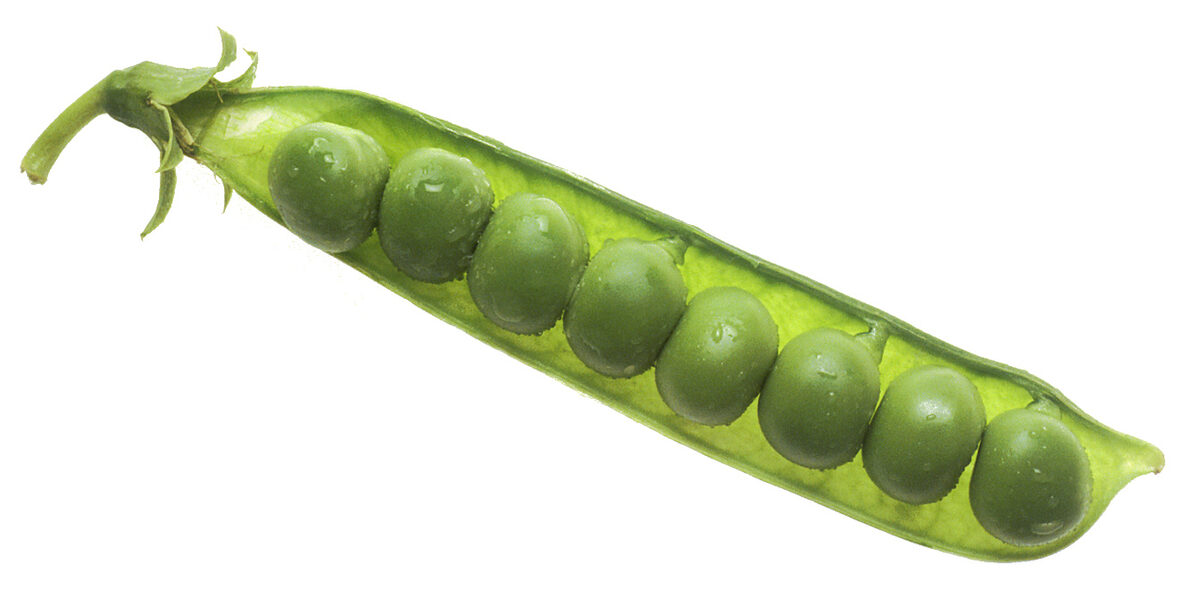
A herb. It grows each year from seed. It is often woody at the base. It can lie over. The stems are hairy. The leaves have one leaflet. The leaflet is 1-2 cm long by 0.2-1.1 cm wide. The flowers are neat the tip opposite the leaves. The fruit are pods 1-1.5 cm long. There are 4-7 seeds and the pod is constricted between the seeds. The seeds are reddish brown or olive green. They are about 2 mm long by 1.8 mm wide and 1 mm deep. There are some subspecies.
Edible Uses
The seeds are mixed with millet to increase bulk.
Traditional Uses
The seeds are mixed with millet to increase the bulk.
This uses section is brief — help expand it
Distribution
A tropical plant. It grows on sandy plains. It grows from sea level to 1,740 m above sea level. It is usually in grassland. It grows in semi-arid areas.
Where It Grows
Africa, Angola, Arabia, Asia, Australia, Botswana, Burkina Faso, Burundi, Cameroon, Central Africa, Chad, Congo, Côte d'Ivoire, Djibouti, East Africa, Eswatini, Ethiopia, Ghana, India, Ivory Coast, Kenya, Malawi, Mali, Middle East, Mozambique, Myanmar, Niger, Nigeria, Pakistan, Rwanda, Sahel, SE Asia, Senegal, Somalia, South Africa, Southern Africa, Sri Lanka, Sudan, Swaziland, Togo, Uganda, West Africa, Yemen, Zimbabwe,
Other Information
It is a famine food.
Notes
There are about 30 Alysicarpus species. Also as Papilionaceae. It is used in medicine. It is used for grazing animals.
Synonyms
References (5)
- Burkill, H.M., 1995. The useful plants of West Tropical Africa. 2nd Edition. Volume 3, Families J–L. Royal Botanic Gardens, Kew, Richmond, United Kingdom. 857 pp.
- Famine foods.
- Prodr. 2:353. 1825
- SAXENA
- Swaziland's Flora Database http://www.sntc.org.sz/flora