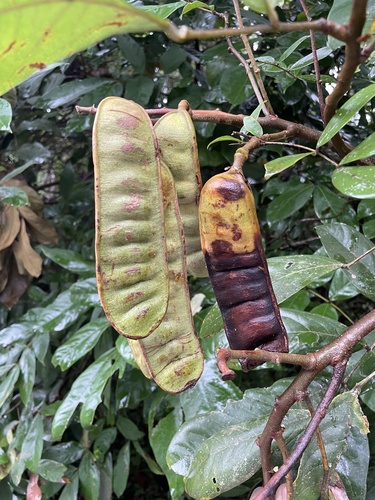
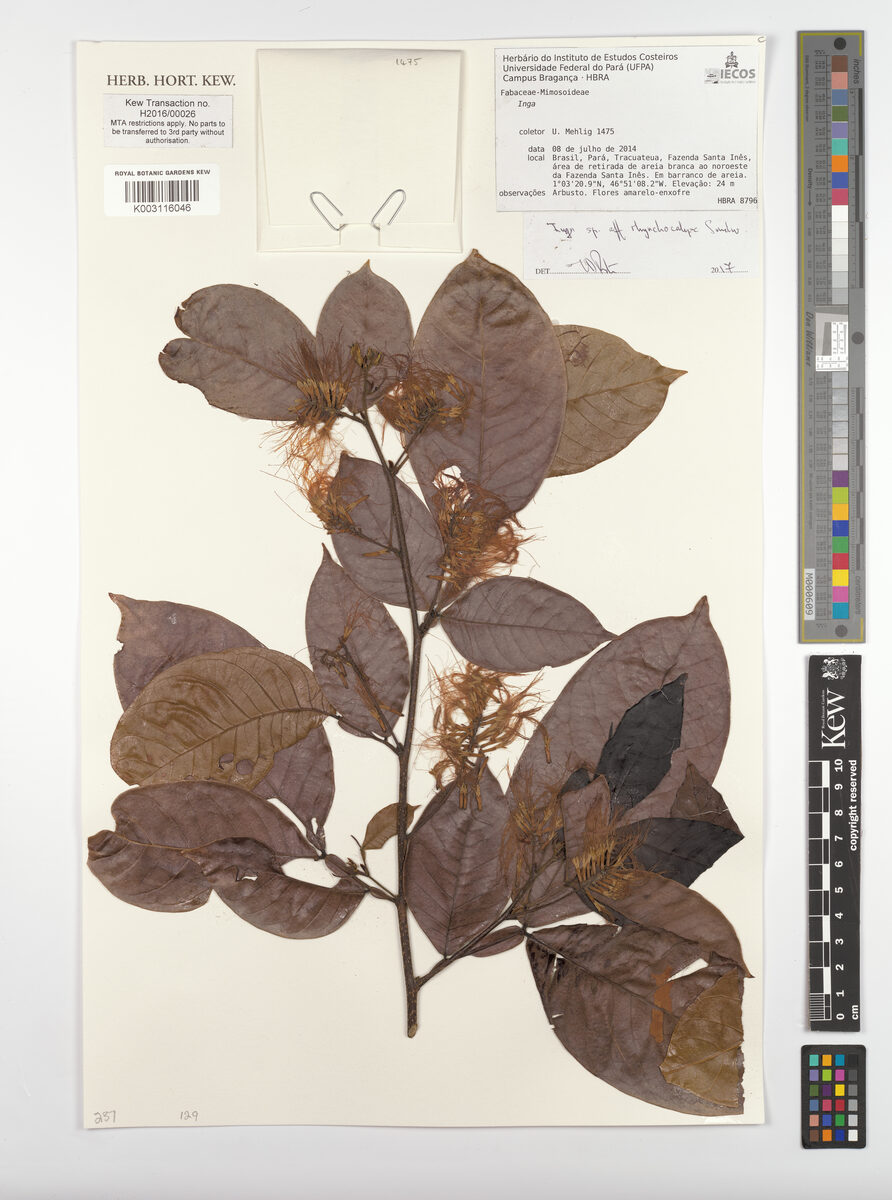
Wisteria venusta
Rehder & E. H. Wilson
Silky wisteria
iNaturalist· cc-by-nc
(c) robbraam, some rights reserved (CC BY-NC)
wikimedia· cc-by
Wikimedia Commons - Wendy Cutler from Vancouver, Canada
wikimedia· cc-by-sa
Wikimedia Commons - Jean-Baptiste RAFFIN
Summary
A deciduous climbing vine reaching 10 m tall and wide. Hardy to UK zone 5. Flowers from May to June. Hermaphroditic and insect-pollinated. Nitrogen-fixing. Tolerates sandy, loamy, or clay soils with good drainage; prefers mildly acid to neutral pH. Requires full sun and consistently moist soil.
Description
A climbing plant. It grows 2-10 m long. The young stems have yellow hairs. The leaves have 9-11 leaflets. The leaflets are oblong and 6-10 cm long by 3-5 cm wide. They are hairy underneath. The flowering shoots are 15 cm long by 10 cm wide. The flowers are 2 cm across and white.
Edible Uses
Seeds can be eaten cooked, though some caution is advised given the plant's toxicity notes. Young leaves are also edible when cooked.
Medicinal Uses
Galls that form on the plant as a result of infection by the bacterium Erwinia milletiae are used in Japanese folk medicine as an anti-inflammatory agent. Recent research has shown that compounds in these galls show promise in treating gastric cancer and in inhibiting tumour promotion by the Epstein-Barr virus.
Known Hazards
Some caution is advised regarding the seeds — see toxicity notes.
Distribution
It is a temperate plant.
Where It Grows
Asia, Australia, China, Japan,
Cultivation
Prefers a good loamy soil in a sunny south or south-west facing position, sheltered from cold winds and from early morning sun on frosty mornings. Plants can become chlorotic on alkaline soils. A soil that is too rich results in excessive foliage at the expense of flowering. Hardy to about -20°c. Plants can take a few years to settle down after planting out. Too much shade or too rich a soil are normally the culprits, some form of root restriction can be beneficial. The name for this species was originally based on the cultivated garden form with white flowers. The true wild form is known as W. venusta violacea. Rehd. Cultivated as a fibre plant in Japan. There are several named varieties, develed for their ornamental value. The flowers are scented, the smell can be either sweet or musky according to the variety being grown. The plants flower mainly on short spurs so, if removing unwanted side-branches, it is best to cut them back to 2 - 3 leaves rather than removing them completely since this will encourage the formation of flowering spurs. Any drastic pruning is best carried out in the spring, immediately after flowering. Plants are very tolerant of even the most drastic pruning and will re-grow even if cut right back to the base. A vigorous climbing plant supporting itself by twining around other plants, the shoots twine in an anticlockwise direction. Plants in this genus are notably susceptible to honey fungus. This species has a symbiotic relationship with certain soil bacteria, these bacteria form nodules on the roots and fix atmospheric nitrogen. Some of this nitrogen is utilized by the growing plant but some can also be used by other plants growing nearby. The plants also form a symbiotic relationship with a mycorrhizal fungus which makes more water, phosphorus and other minerals available to the plants.
Propagation
Seed has no dormancy requirements and can be sown as soon as it is ripe in a cold frame, germinating the following spring. Stored seed should be pre-soaked for 24 hours in warm water before sowing in a greenhouse in early spring. Seed can also be sown in an outdoor seedbed in late spring, with germination usually occurring the first spring, though it may sometimes be delayed by a further 12 months. Prick out seedlings into individual pots when large enough to handle and overwinter in a cold frame, planting out in late spring or early summer. Plants grown from seed are very slow and may take up to 20 years to flower. Basal cuttings of side-shoots can be taken in early to mid summer in a frame, once the new growth has hardened sufficiently. Each cutting should carry 2–3 leaves, and removing a shallow slice of bark from the bottom 15mm of the cutting helps expose extra cambium, encouraging callusing and better rooting. In a mist frame with bottom heat of 27–30°C, cuttings will root within 4 weeks and produce well-established plants by autumn. Layering in spring is also effective — lay a long shoot along the ground, cover with a shallow layer of soil, and it will produce roots at intervals along the stem. Once roots are well formed, the shoot can be divided into several plants, potted up, and kept in a lightly shaded position in a greenhouse until established before planting out.
Other Uses
A fibre obtained from the bark is used to make cloth and thread. The plant is also a nitrogen fixer and is scented.
Notes
There are 10 Wisteria species.
Synonyms
References (4)
- Hibbert, M., 2002, The Aussie Plant Finder 2002, Florilegium. p 310
- Lord, E.E., & Willis, J.H., 1999, Shrubs and Trees for Australian gardens. Lothian. p 339
- Plants for a Future database, The Field, Penpol, Lostwithiel, Cornwall, PL22 0NG, UK. http://www.scs.leeds.ac.uk/pfaf/
- C. S. Sargent, Pl. wilson. 2:514. 1916