Xanthocercis madagascariensis
Baill.
iNaturalist· cc-by-nc
(c) Franck Rakotonasolo, some rights reserved (CC BY-NC), uploaded by Franck Rakotonasolo
iNaturalist· cc-by-nc
(c) Rahaingoson Fabien, some rights reserved (CC BY-NC)
Summary
Source: WikipediaXanthocercis madagascariensis is a species of flowering plant in the family Fabaceae. It is found only in Madagascar.
Description
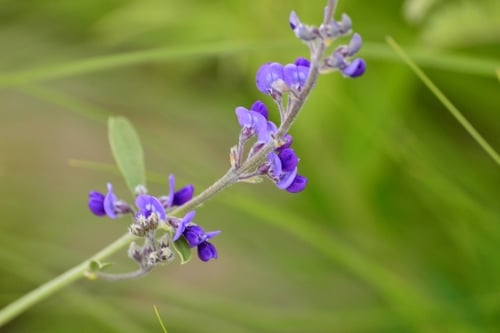
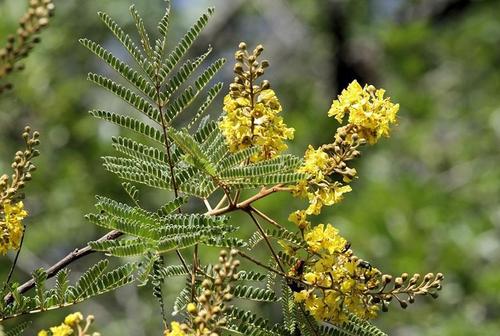
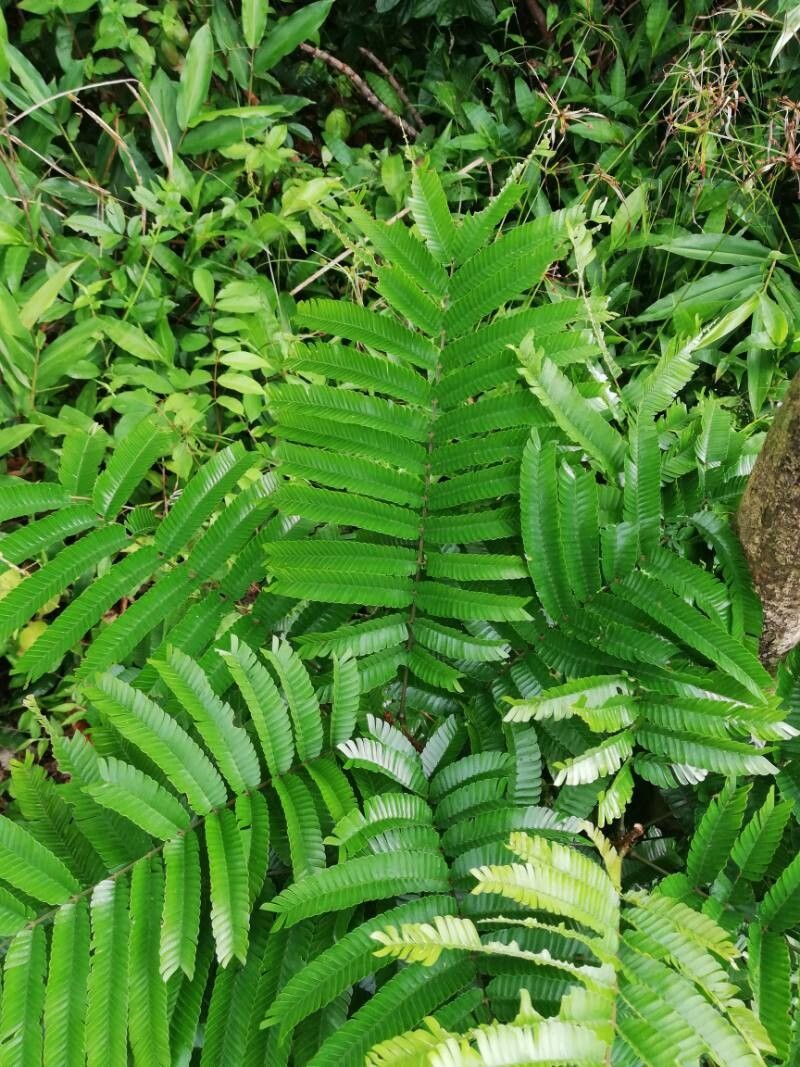
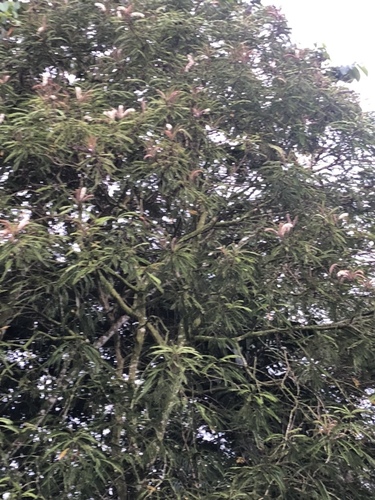
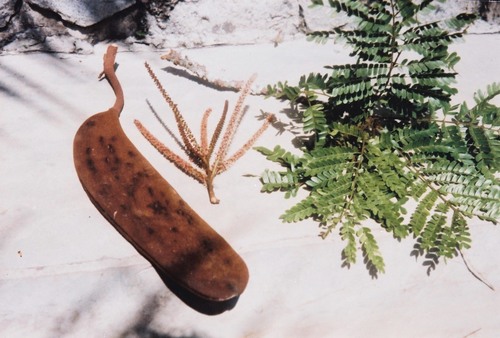
A tree. It can grow 25 m tall. The young branches have a rusty coating. The leaves are compound. There are 3-5 pairs of leaflets arranged alternately. The flowers are small. There are 5 petals. The fruit is large. There are 1 or 2 seeds. Sometimes there are 3 seeds. The seeds are kidney shaped.
Edible Uses
The fruit pulp is edible. The fruit is a a drupe-like ellipsoid pod 25 - 50mm long, occasionally to 90mm, and up to 25mm long; it contains 1 - 3 seeds, with slight constrictions between each seed. The seeds are enclosed in a fibrous, edible pulp.
Traditional Uses
The pulp around the seed is edible.
This uses section is brief — help expand it
Known Hazards
The sawdust irritates mucous membranes and protective measures are needed during sawing operations.
Distribution
A tropical plant. It grows in the humid evergreen forest. It grows up to 400 m altitude.
Where It Grows
Africa, East Africa, Madagascar*,
Cultivation
This species has a symbiotic relationship with certain soil bacteria; these bacteria form nodules on the roots and fix atmospheric nitrogen. Some of this nitrogen is utilized by the growing plant but some can also be used by other plants growing nearby.
Other Uses
The heartwood is beige-brown to brown, often with lighter patches and dark streaks; it is distinctly demarcated from the 6 - 8 cm wide band of paler sapwood. The grain is often wavy, texture fine and even. The wood is very heavy, hard, durable and resistant to fungi, termites and marine borers. The rates of shrinkage during drying are high. The wood is rather difficult to saw, requiring much power and dulling sawteeth rapidly; it is difficult to work; nailing is almost impossible without pre-boring; it finishes well; staining and polishing give very good results. The wood is used sometimes as a substitute of the wood of Lignum Vitae (Guaiacum officinale) for luxury furniture, exterior and interior joinery, luxury flooring, and in boat construction. It is also used for wood carving, and for making butcher’s blocks, pulleys and luxury decorative handles of brushes and implements. The wood is suitable for mine props, vehicle bodies, musical instruments, toys and novelties, turnery, draining boards and pattern making. It is popular for poles that are durable in contact with the ground. The wood is used as firewood and for making charcoal.
Notes
There are 3 Xanthocercis species.
Also Known As
Andraidriala, Antendriala, Haraka, Kilioty, Manaritoloha, Sakoanala, Sandrazy, Somotratsangy, Vavanga, Voankazomeloka
References (4)
- Kew Plants of the World Online
- Lemmens, R.H.M.J., 2007. Xanthocercis madagascariensis Baill. [Internet] Record from Protabase. Louppe, D., Oteng-Amoako, A.A. & Brink, M. (Editors). PROTA (Plant Resources of Tropical Africa), Wageningen, Netherlands. < http://database.prota.org/search.htm>. Accessed 23 October 2009
- Schatz, G.E., 2001, Generic Tree Flora of Madagascar. Royal Botanical Gardens, Kew and Missouri Botanical Garden. p 208
- World Checklist of Useful Plant Species 2020. Royal Botanic Gardens, Kew