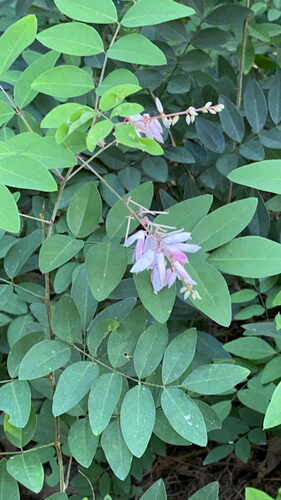
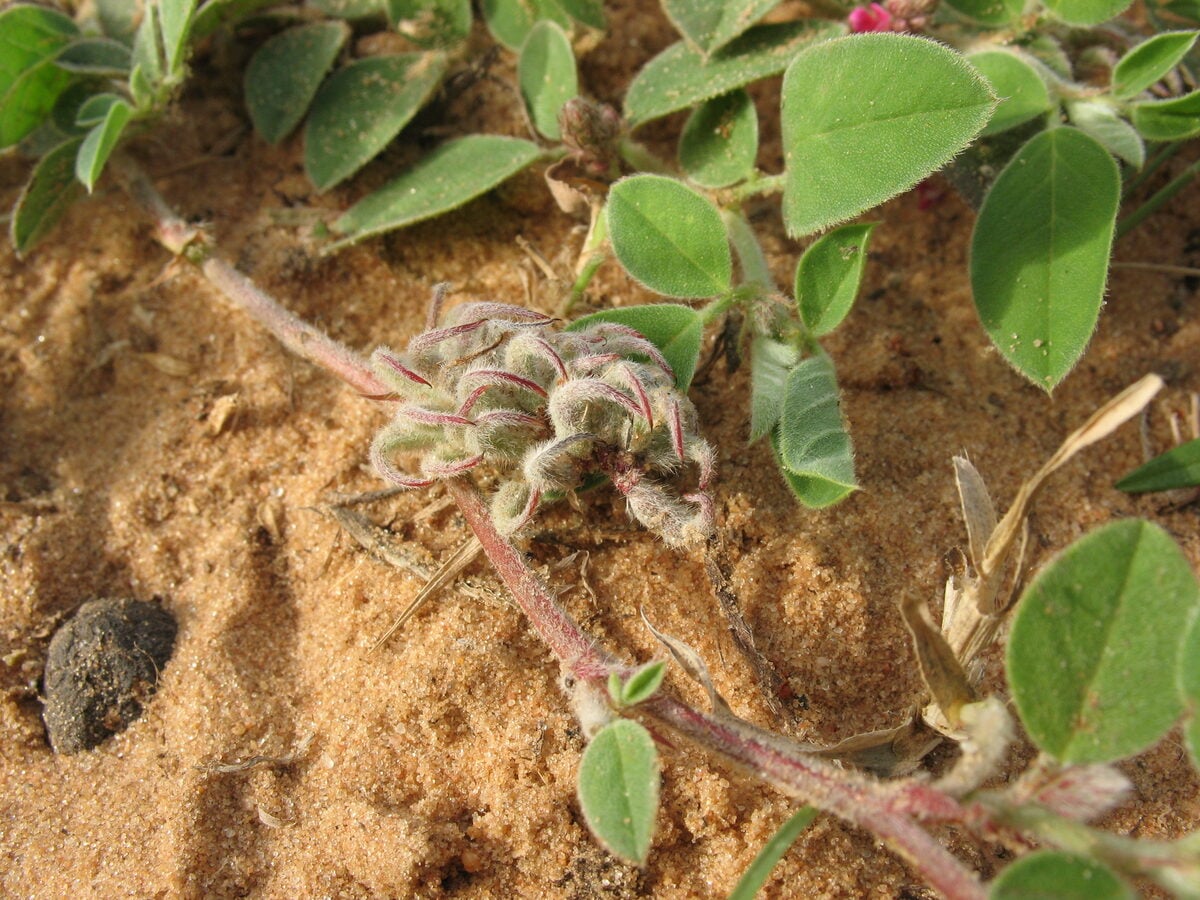
Wisteria japonica
Siebold & Zucc.
iNaturalist· cc0
no rights reserved
iNaturalist· cc0
no rights reserved
iNaturalist· cc-by-nc
(c) sakuranbo, some rights reserved (CC BY-NC)
Summary
Source: WikipediaDeciduous climbing vine with hermaphroditic flowers blooming July to August. Nitrogen-fixing species. Tolerates light sandy, medium loamy, and heavy clay soils with good drainage, mildly acidic to neutral pH, full sun, and moist soil conditions. Hardy to UK zone 8.
Description
Deciduous climbing vine with hermaphroditic flowers blooming July to August. Nitrogen-fixing species. Tolerates light sandy, medium loamy, and heavy clay soils with good drainage, mildly acidic to neutral pH, full sun, and moist soil conditions. Hardy to UK zone 8.
Edible Uses
Both the seeds and young leaves can be cooked, but both are considered famine foods used only when all else fails. Some caution is advised with the seeds — see the notes on toxicity.
Medicinal Uses
None known
Known Hazards
The seed of all members of this genus is poisonous.
Distribution
It is a temperate plant.
Where It Grows
Asia, Japan, Korea,
Cultivation
Prefers a good loamy soil in a sunny south or south-west facing position, sheltered from cold winds and from early morning sun on frosty mornings. Plants can become chlorotic on alkaline soils. A soil that is too rich results in excessive foliage at the expense of flowering. This species is not hardy in the colder areas of the country. There is some confusion over the correct name of this species, many authorities referring it to a separate genus as Millettia japonica (Sieb.&Zucc.)A.Gray.. Plants can take a few years to settle down after planting out. Too much shade or too rich a soil are normally the culprits, some form of root restriction can be beneficial. A climbing plant, attaching itself to branches or whatever by twining in a clockwise direction. Plants in this genus are notably susceptible to honey fungus. This species has a symbiotic relationship with certain soil bacteria, these bacteria form nodules on the roots and fix atmospheric nitrogen. Some of this nitrogen is utilized by the growing plant but some can also be used by other plants growing nearby. The plants also form a symbiotic relationship with a mycorrhizal fungus which makes more water, phosphorus and other minerals available to the plants.
Propagation
Seed has no dormancy requirements and can be sown as soon as it is ripe in a cold frame, germinating in spring. Stored seed should be pre-soaked for 24 hours in warm water before sowing in a greenhouse in early spring. Seed can also be sown in an outdoor seedbed in late spring; germination usually occurs in the first spring but may be delayed a further 12 months. Prick seedlings into individual pots when large enough to handle and grow on in a cold frame for the first winter, then plant out in late spring or early summer. Plants grown from seed are very slow and can take up to 20 years to flower. Basal cuttings of side-shoots can be taken in early to mid summer once new growth has hardened sufficiently, each with 2–3 leaves. Removing a shallow slice of bark from the bottom 15mm of the cutting exposes extra cambium and encourages better callusing and rooting. In a mist frame with bottom heat of 27–30°C, cuttings will root within 4 weeks and produce well-established plants by autumn. Layering in spring is also effective: lay a long shoot along the ground, cover with a shallow layer of soil, and it will produce roots at intervals along the stem. Once roots are well formed, the shoot can be divided into several plants, potted up, and kept in a lightly shaded greenhouse until established before planting out.
Other Uses
None known Special Uses Nitrogen Fixer
Notes
There are 10 Wisteria species.
Synonyms
References (2)
- Fl. jap. 1:88, t. 43. 1839
- Plants for a Future database, The Field, Penpol, Lostwithiel, Cornwall, PL22 0NG, UK. http://www.scs.leeds.ac.uk/pfaf/