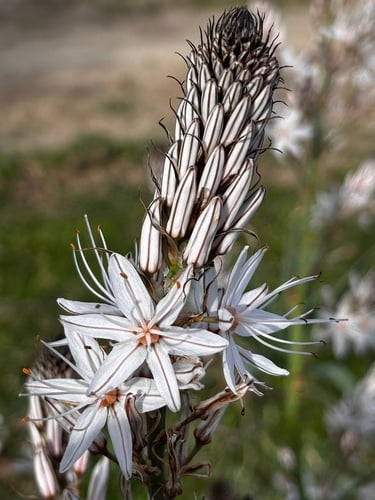
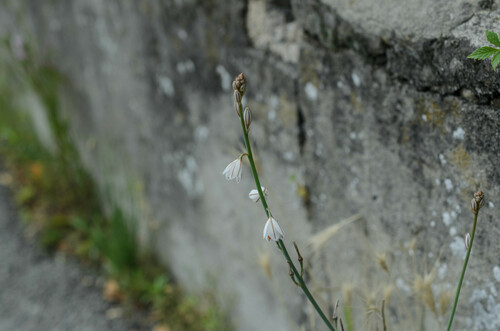
Aloe barbadensis
Mill.
Medicine plant, Barbados aloe
iNaturalist· cc-by-nc
(c) Carlos Domínguez-Rodríguez, some rights reserved (CC BY-NC)
iNaturalist· cc-by-nc
(c) Carlos Domínguez-Rodríguez, some rights reserved (CC BY-NC)
iNaturalist· cc-by-nc
(c) Carlos Domínguez-Rodríguez, some rights reserved (CC BY-NC)
Description
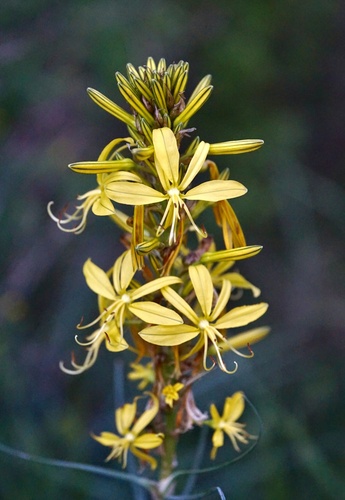
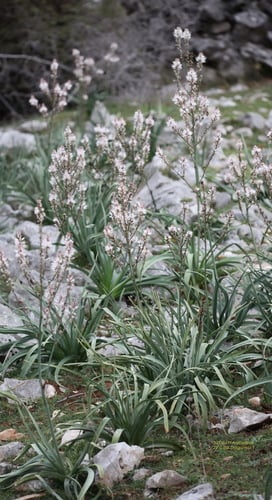
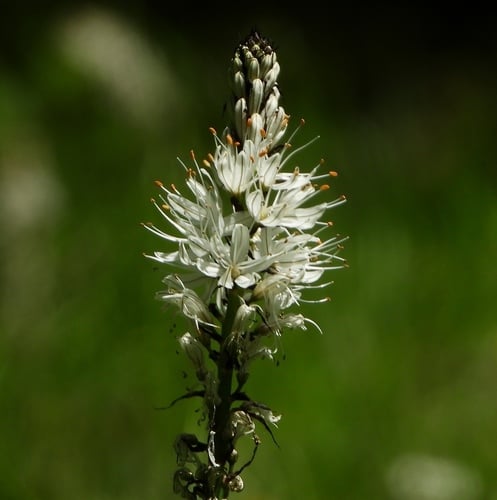
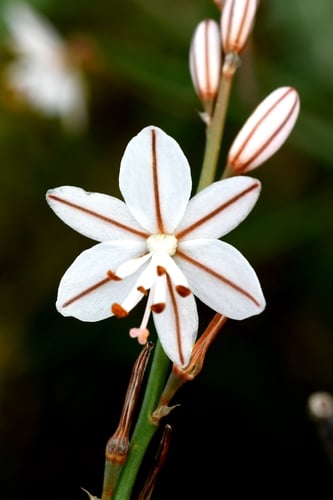
A succulent plant. It forms a rosette of upright leaves. It grows 20 cm wide. Leaves are dull green. They are 5 cm wide. The flowers are yellow. They occur in an un-branched spike 1 m tall.
Edible Uses
Aloin, a bitter-tasting compound found in the semi-liquid latex of some Aloe species, was a common ingredient in over-the-counter (OTC) laxative products in the United States until 2002 when the Food and Drug Administration banned it because manufacturers failed to provide the necessary safety data. Aloe vera and its (alcohol) extracts have potential toxicity, with side effects occurring at some dose levels both when ingested and when applied topically. Although toxicity may be less when aloin is removed by processing, Aloe vera ingested in high amounts may induce side effects, such as abdominal pain, diarrhea or hepatitis. Chronic ingestion of aloe (dose of 1 gram per day) cause adverse effects, including hematuria, weight loss, and cardiac or kidney disorders. Aloe vera juice is marketed to support the health of the digestive system, but there is neither scientific evidence nor regulatory approval for this claim. The extracts and quantities typically used for such purposes are associated with toxicity in a dose-dependent way.
Traditional Uses
The leaf paste is used to increase the bulk of flour. They are cooked and washed several times. The leaves and flower stalks are pickled.
This uses section is brief — help expand it
Medicinal Uses
Aloe vera is used in traditional medicine as a skin treatment. Early records of its use appear from the fourth millennium BCE. It is also written of in the Juliana Anicia Codex of 512 CE.
Known Hazards
Two substances from Aloe vera – a clear gel and its yellow latex – are used to manufacture commercial products. Aloe gel typically is used to make topical medications for skin conditions, such as burns, wounds, frostbite, rashes, psoriasis, cold sores, and dry skin. Aloe latex is used individually or manufactured as a product with other ingredients to be ingested for relief of constipation. Aloe latex may be obtained in a dried form called resin or as "aloe dried juice". There is conflicting evidence regarding whether Aloe vera is effective as a treatment for wounds or burns. There is some evidence that topical use of aloe products might relieve symptoms of certain skin disorders, such as psoriasis, acne, or rashes, but topical application may cause an allergic reaction in some people. Aloe vera gel is used commercially as an ingredient in yogurts, beverages, and some desserts, but at high or prolonged doses, ingesting aloe latex or whole leaf extract can be toxic. Use of topical aloe vera in small amounts is likely to be safe. Aloe vera may be prepared as a lotion, gel, soap or cosmetics product for use on skin as a topical medication. For people with allergies to Aloe vera, skin reactions may include contact dermatitis with mild redness and itching, difficulty with breathing, or swelling of the face, lips, tongue, or throat. Orally ingested non-decolorized aloe vera leaf extract was listed by the California Office of Environmental Health Hazard Assessment among "chemicals known to the state to cause cancer or reproductive toxicity", possibly resulting from the anthraquinones. Since 2016, aloe vera whole leaf extract is classified as a possible human carcinogen (group 2B) by the International Agency for Research on Cancer. Use of aloe vera on the skin is generally not associated with significant side effects. Oral ingestion of aloe vera is potentially toxic, and may cause abdominal cramps and diarrhea which in turn can decrease the absorption of drugs.
Distribution
It will tolerate light frost.
Where It Grows
Africa*, Asia, Australia, Bolivia, Central America, China, East Africa, Ethiopia, Himalayas, India, Saudi Arabia, West Indies, Zambia,
Cultivation
It can be grown from seed. It is mostly grown from offsets.
Other Information
It is cultivated.
Notes
There are about 400 Aloe species. Also put in the family Aloaceae. Also put in the family Asphodelaceae.
Synonyms
Also Known As
Chinnakata banda, Chirukattali, Chothukathalai, Curacao aloe, Ghee-kunvar, Ghikumar, Ghrita-kumari, Ghritkumari, Guarpatha, Gwar-patha, Korphad, Kumari, Kumarpathu, Loli-sara
References (14)
- Ambasta S.P. (Ed.), 2000, The Useful Plants of India. CSIR India. p 29
- Anderson, M., 2002, The World Encyclopedia of Cacti and Succulents. Hermes House, New York. p 131
- Arinathan, V., et al, 2007, Wild edibles used by Palliyars of the western Ghats, Tamil Nadu. Indian Journal of Traditional Knowledge. 6(1) pp 163-168
- Bodkin, F., 1991, Encyclopedia Botanica. Cornstalk publishing, p 69
- Facciola, S., 1998, Cornucopia 2: a Source Book of Edible Plants. Kampong Publications, p 142
Show all 14 references Hide references
- Fowler, D. G., 2007, Zambian Plants: Their Vernacular Names and Uses. Kew. p 85
- Gard. dict. ed. 8: Aloe no. 2. 1768 Apr 16
- GUPTA & KANODIA,
- Hepper, E.N., 1993, Illustrated Encyclopedia of Bible Plants, IVP, England. p 152
- Kumar, P. D., et al, 2015, Ethnobotanical Knowledge and Usage of Wild Plants in Theog Forest Division, Himachal Pradesh, North Western Himalaya. The Journal of Ethnobiology and Traditional Medicine. Photon 124(2015) 922-935
- Molla, A., Ethiopian Plant Names. http://www.ethiopic.com/aplants.htm
- SAXENA;
- SHANKARNARAYAN & SAXENA
- Zeven, A. C. & de West, J. M. J., 1982, Dictionary of cultivated plants and their regions of diversity. Wageningen. p 116