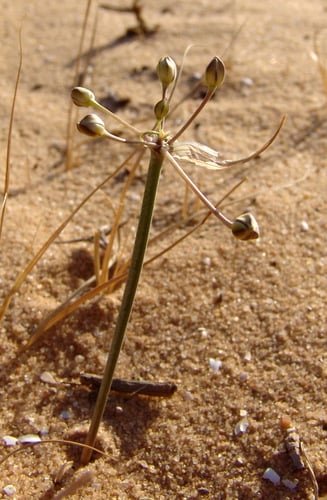
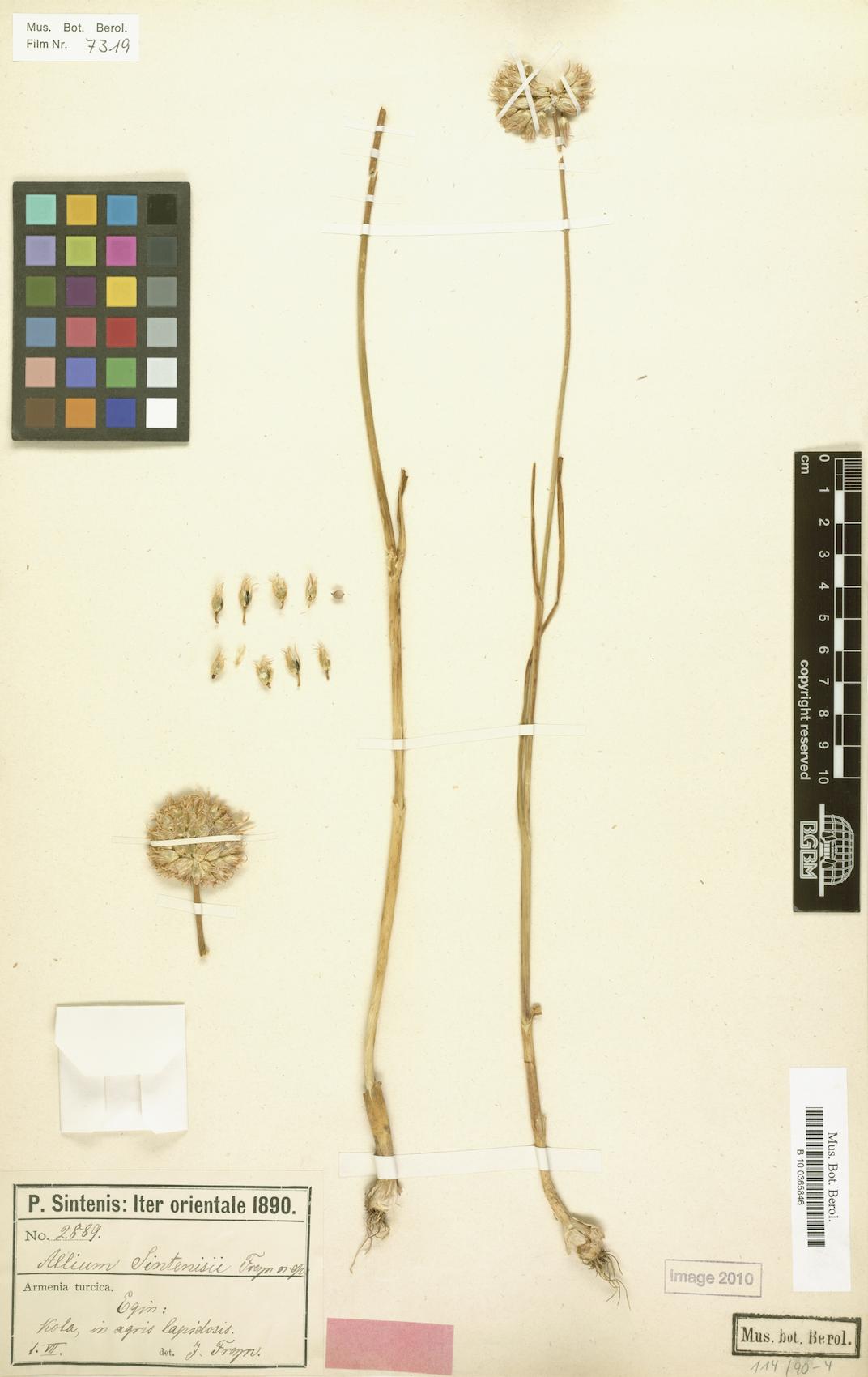
Allium tuberosum
Rottler ex Sprengel
Garlic chives, Chinese chives
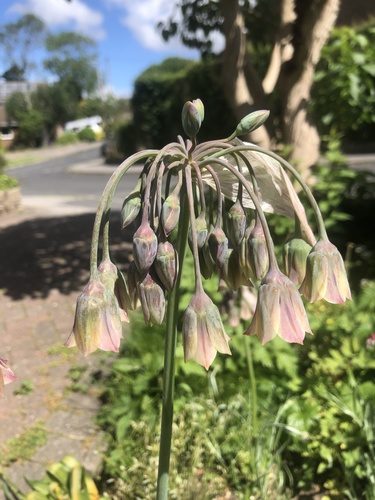
iNaturalist· cc-by-nc
(c) Mary Morrow, some rights reserved (CC BY-NC), uploaded by Mary Morrow
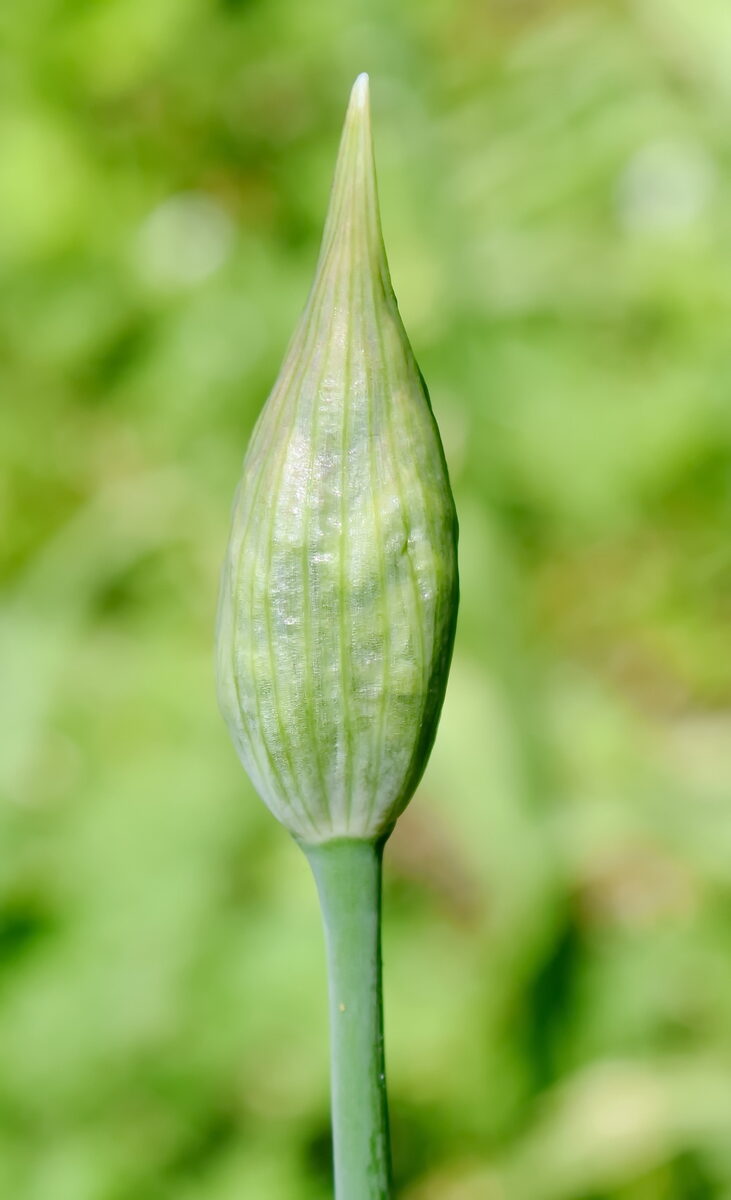
iNaturalist· cc-by-nc
(c) Matt Parr, some rights reserved (CC BY-NC), uploaded by Matt Parr
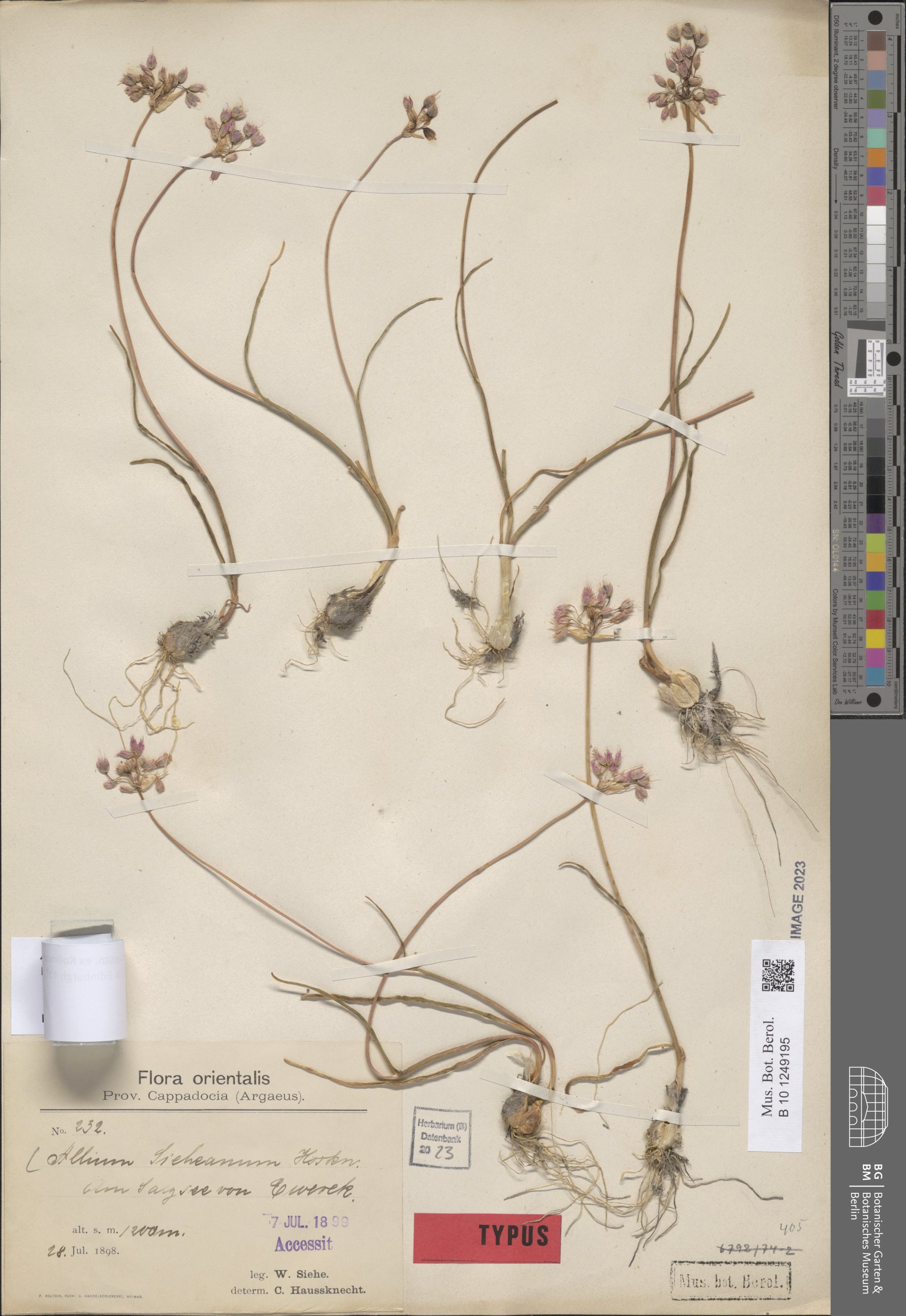
iNaturalist· cc-by-nc
(c) Atonemay, some rights reserved (CC BY-NC), uploaded by Atonemay
Summary
Source: WikipediaAllium tuberosum (garlic chives, Oriental garlic, Asian chives, Chinese chives, Chinese leek) is a species of plant native to the Chinese province of Shanxi, and cultivated and naturalized elsewhere in Asia and around the world. It has a number of uses in Asian cuisine.
Description
An onion family plant. It is a herb which keeps growing year after year. It can be 40 cm high. It grows in clumps. These onions have rhizomes but no real bulbs. The leaves are long and grass like, and flat and solid. They are 15-30 cm long and about 5 mm wide. The young leaves are erect but the mature leaves bend gracefully down. The blades of the leaves are not folded length-wise, as are those of garlic and leek. Flowers are white. The flowers are produced at the top of a flower stalk which grows from the underground stem. The flower head is round due to the small flowers being on the same length stalks and arising from the same point. The flower stalk can be 45 cm long. A dense clump of plants is produced.
Edible Uses
The leaves have a mild flavour — something between garlic and chives — and are delicious raw in salads. Lengthy cooking destroys their flavour. Available from early spring through late autumn, they contain approximately 2.6% protein, 0.6% fat, 2.4% carbohydrate, and 0.95% ash, along with small amounts of vitamins A, B1, and C. The bulbs are quite small, around 10mm in diameter, and grow in clusters on a short rhizome; they can be eaten raw or cooked. The flowers and flower buds are also edible raw or cooked, making a delicious flavouring and attractive garnish for autumn salads. The root is edible raw or cooked. An edible oil can be extracted from the seed.
Traditional Uses
The leaves and young flowers are used to flavour foods. The bulbs are used like garlic.
This uses section is brief — help expand it
Medicinal Uses
The whole plant is antibacterial, cardiac, depurative, digestive, stimulant, stomachic, and tonic. It acts as an anti-emetic herb and supports kidney function, and is used internally to treat urinary incontinence and kidney and bladder weaknesses. The seed is carminative and stomachic, and is used in India in the treatment of spermatorrhoea. The leaves and bulbs can be applied externally to bites, cuts, and wounds.
Known Hazards
Although no individual reports regarding this species have been seen, there have been cases of poisoning caused by the consumption, in very large quantities and by some mammals, of certain members of this genus. Dogs seem to be particularly susceptible.
Distribution
A temperate plant. They are native to eastern Asia. Seeds are rarely formed in the lowland tropics. It is naturalised in S China. In Indonesia it grows up to 2,200 m above sea level. It suits hardiness zones 7-10. In Yunnan.
Where It Grows
Asia, Australia, Cambodia, Canada, China, Cook Islands, Cuba, East Timor, Fiji, Haiti, Hawaii, Himalayas, India, Indochina, Indonesia, Japan, Korea, Malaysia, Marshall Islands, Micronesia, Mongolia, Myanmar, Nauru, Nepal, North America, Northeastern India, Pacific, Papua New Guinea, PNG, Philippines, SE Asia, Singapore, Slovenia, Taiwan, Tasmania, Thailand, Timor-Leste, Tuvalu, USA, Vanuatu, Vietnam, West Indies,
Cultivation
An easily grown plant, it prefers a sunny position in a rich moist but well-drained soil. Tolerates most soils, including clay. Tolerant of dry soils, established plants also resist drought. Tolerates some shade, even in N.W. England. The roots penetrate up to 50cm into the soil. Tolerates a pH in the range 5.2 to 8.3. This plant succeeds in temperate and tropical climates. It appears to be fully hardy in Britain. Plants tolerate 40 degrees of frost in Manchuria (the report does not say if this is fahrenheit or centigrade). Plants remain green until temperatures fall below 4 - 5°c, they come into new growth in spring when temperatures go above 2 - 3°c. Often cultivated for its edible leaves and bulb in the Orient, there are many named varieties. There are two main types of cultivar, one is grown for its leaves and the other for its flowering stem.This species is being increasingly grown as a garden vegetable in Britain. A very ornamental plant, it grows well as an edging plant in the flower garden. Closely related to A. ramosum. The bulbs should be planted fairly deeply. Grows well with most plants, especially roses, carrots, beet and chamomile, but it inhibits the growth of legumes. This plant is a bad companion for alfalfa, each species negatively affecting the other. Members of this genus are rarely if ever troubled by browsing deer. Alliums are typically harvested in late spring to early summer, when the bulbs mature and the tops begin to yellow. Allium species typically flower in late spring to early summer, depending on the species and local climate conditions. Allium species generally have a moderate growth rate, with bulbs typically taking about 100 to 150 days from planting to harvest, depending on the variety and growing conditions.
Propagation
Sow seed in spring in a cold frame. Seed has a fairly short viability and should not be used when more than one year old. Prick out seedlings into individual pots once large enough to handle — placing three plants per pot will produce clumps more quickly. Plant out in late summer if sufficiently developed, or the following spring if not. Division in early spring is very easy; plants can be divided successfully at almost any time of year and the divisions planted straight out into their permanent positions.
Other Uses
The plant's juice serves as a moth repellent, and the whole plant is said to repel insects and moles. The flowers are rich in nectar and pollen, attracting pollinators such as bees and butterflies. The bulbs, leaves, and flowers provide food for wildlife. The strong sulphur-based aroma of the plant acts as a natural pest confuser, helping to deter unwanted insects. The plant is suited to food forest plantings.
Production
Chives may be cultivated for its flowers which are plucked together with the stalks before the buds emerging from the sheath. They can also be grown for its edible leaves which have a special flavour considered fragrant by some people.
Other Information
It is cultivated as a vegetable. It is a commercially cultivated vegetable.
Notes
There are about 300-700 Allium species. Most species of Allium are edible (Flora of China). All alliums are edible but they may not all be worth eating! They have also been put in the family Alliaceae.
Nutrition
| Part | Moisture | kJ | kcal | Protein | Vit A | Vit C | Iron | Zinc |
|---|---|---|---|---|---|---|---|---|
| Leaves | 93 | 80 | — | 2.1 | — | 25 | — | — |
| Bulb | — | — | — | — | — | — | — | — |
| Flowers | — | — | — | — | — | — | — | — |
Synonyms
Also Known As
Amput di imayyaw, Bawang Kuchai, Buchu, Bunga-ghundeena, Cuchay chives, Flowering chives, Ganda, Gau choy, Guichai, Gyu-myit, He, Hom-paen, Indian leek, Jirlang, Jiu Cai, Kachaay, Kau, Kau ts'oi, Koo chye, Kuchai, Kui chaai, Kutsay, La he, Nira, Oriental garlic, Tareh, Tsoi, Yellow chives
References (69)
- Aballe, K. E., 2012, Ethnobotanical Investigation of Matigsalug Ethnic Group in Sitio Patag, Brgy. Datu Salumay, Marilog District, Davao City. University of Southeastern Philippines. Part 2 p 21
- Altschul, S.V.R., 1973, Drugs and Foods from Little-known Plants. Notes in Harvard University Herbaria. Harvard Univ. Press. Massachusetts. no. 270
- Anderson, E. F., 1993, Plants and people of the Golden Triangle. Dioscorides Press. p 202
- Barrau, J., 1976, Subsistence Agriculture in Melanesia. Bernice P. Bishop Museu, Bulletin 219 Honolulu Hawaii. Kraus reprint. p 55
- Bremness, L., 1994, Herbs. Collins Eyewitness Handbooks. Harper Collins. p 142
Show all 69 references Hide references
- Brickell, C. (Ed.), 1999, The Royal Horticultural Society A-Z Encyclopedia of Garden Plants. Convent Garden Books. p 98
- Brown, D., 2002, The Royal Horticultural Society encyclopedia of Herbs and their uses. DK Books. p 114
- Burnie, G & Fenton-Smith, J., 1999, A Grower's Guide to Herbs. Murdoch Books. p 24
- Cheifetz, A., (ed), 1999, 500 popular vegetables, herbs, fruits and nuts for Australian Gardeners. Random House p 113
- Chen Xinqi, Liang Songyun, Xu Jiemei, Tamura M.N., Liliaceae. Flora of China. p 110
- Chin, H. F., 1999, Malaysian Vegetables in Colour. Tropical Press. p 34
- "Chinese Nutrition Journal", 2002, Vol 23(8) p 298
- Crawford, M., 2012, How to grow Perennial Vegetables. Green Books. p 106
- Creasy, R., 2000, The Edible Asian Garden. Periplus p 43
- Cundall, P., (ed.), 2004, Gardening Australia: flora: the gardener's bible. ABC Books. p 128
- Ethnobotany of Karbis. Chapter 4 in p 106
- Facciola, S., 1998, Cornucopia 2: a Source Book of Edible Plants. Kampong Publications, p 7
- Flora of China. www.eFloras.org
- Foo, J.T.S.(ed), 1996, A Guide to Common Vegetables. Singapore Science Foundation. p 112
- French, B., 1986, Food Plants of Papua New Guinea, Asia Pacific Science Foundation p 128
- Gouldstone, S., 1983, Growing your own Food-bearing Plants in Australia. Macmillan p 188
- Hani Medicine of Xishuangbanna, 1999, p 619
- Hutton, W., 1997, Tropical Herbs and Spices of Indonesia. Periplus. p
- Hu, Shiu-ying, 2005, Food Plants of China. The Chinese University Press. p 315
- Jacquat, C., 1990, Plants from the Markets of Thailand. D.K. Book House p 102
- Jiwajinda, S., et al, 2002, Suppressive Effects of Edible Thai Plants on Superoxide and Nitric Oxide Generation. Asian Pacific Journal of Cancer Prevention, Vol 3, 2002
- Kang, Y., et al, 2012, Wild food plants and wild edible fungi in two valleys on the Qinling Mountains (Shaanxi, central China) Journal of Ethnobiology and Ethnomedicine; 9:26
- Kays, S. J., and Dias, J. C. S., 1995, Common Names of Commercially Cultivated Vegetables of the World in 15 languages. Economic Botany, Vol. 49, No. 2, pp. 115-152
- Kiple, K.F. & Ornelas, K.C., (eds), 2000, The Cambridge World History of Food. CUP p 1755
- Larkcom, J., 1991, Oriental Vegetables, John Murray, London, p 71
- Lazarides, M. & Hince, B., 1993, Handbook of Economic Plants of Australia, CSIRO. p 14
- Lim, T. K., 2015, Edible Medicinal and Non Medicinal Plants. Volume 9, Modified Stems, Roots, Bulbs. Springer p 6
- Liu, Yi-tao, & Long, Chun-Lin, 2002, Studies on Edible Flowers Consumed by Ethnic Groups in Yunnan. Acta Botanica Yunnanica. 24(1):41-56
- Martin, F.W. & Ruberte, R.M., 1979, Edible Leaves of the Tropics. Antillian College Press, Mayaguez, Puerto Rico. p 105
- McCollum, G.D., 1979, Onions and allies, in Simmonds N.W.,(ed), Crop Plant Evolution. Longmans. London. p 186
- Miguel, E., et al, 1989, A checklist of the cultivated plants of Cuba. Kulturpflanze 37. 1989, 211-357
- Norrington, L., & Campbell, C., 2001, Tropical Food Gardens. Bloomings Books. p 62
- Peter, K. V. (Ed.), 2004, Handbook of Herbs and Spices Vol. 2 Woodhead Publishing and CRC Press. p
- Phatlamphu, N., et al, 2021, Ethnobotany of edible plants in Muang District, Kalasin Province, Thailand, Biodiversitas Vol. 22, No. 12 pp 5432-5444
- Plants for a Future database, The Field, Penpol, Lostwithiel, Cornwall, PL22 0NG, UK. http://www.scs.leeds.ac.uk/pfaf/
- PROSEA handbook Volume 13 Spices. p 273
- Purseglove, J.W., 1972, Tropical Crops. Monocotyledons. Longmans p 56
- Rana, J.C. et al, 2011, Genetic resources of wild edible plants and their uses among tribal communities of cold arid regions of India. Genetic Resources and Crop Evolution. 59:135-149
- Schneider, E., 2001, Vegetables from Amaranth to Zucchini: The essential reference. HarperCollins. p 297
- Siemonsma, J. S. and Piluek, K. (Eds), 1994, Plant Resources of South-East Asia No. 8 Vegetables. Prosea Foundation, Bogor, Indonesia, p 80
- Solomon, C., 2001, Encyclopedia of Asian Food. New Holland. p 95
- Song, M., et al, 2013, Traditional knowledge of wild edible plants in Jeju Island, Korea. Indian Journal of Traditional Knowledge. 12(2) pp 177-194
- Staples, G.W. and Herbst, D.R., 2005, A tropical Garden Flora. Bishop Museum Press, Honolulu, Hawaii. p 681 (Drawing)
- Syst. veg. 2:38. 1825
- Tanaka, Y. & Van Ke, N., 2007, Edible Wild Plants of Vietnam: The bountiful garden. Orchid books. p 18
- Teron, R. & Borthakur, S. K., 2016, Edible Medicines: An Exploration of Medicinal Plants in Dietary Practices of Karbi Tribal Population of Assam, Northeast India. In Mondal, N. & Sen, J.(Ed.) Nutrition and Health among tribal populations of India. p 152
- Terra, G.J.A., 1973, Tropical Vegetables. Communication 54e Royal Tropical Institute, Amsterdam, p 20
- Thaman, R. R., et al, 1994, The Flora of Nauru. Atoll Research Bulletin No. 392. Smithsonian Institute p 55
- Thaman, R. R, 2016, The flora of Tuvalu. Atoll Research Bulletin No. 611. Smithsonian Institute p 35
- Thomson, G. & Morgan, W., (Ed.) 2001, Access to Asian Foods Newsletter, Vic Govt., Australia Issue 36
- Tindall, H.D., 1983, Vegetables in the tropics. Macmillan p. 30
- Urgamal, M., et al, 2014, Conspectus of the Vascular Plants of Mongolia. Mongolia Academy of Sciences Institute of Botany and National University of Mongolia Department of Biology. p 48
- USDA, ARS, National Genetic Resources Program. Germplasm Resources Information Network - (GRIN). [Online Database] National Germplasm Resources Laboratory, Beltsville, Maryland. Available: www.ars-grin.gov/cgi-bin/npgs/html/econ.pl (10 April 2000)
- Vander Velde, N, 2003, The Vascular Plants of Majuro Atoll, Republic of the Marshall Islands. Atoll research Bulletin. No. 503. Smithsonian Institute. p 21
- van Wyk, B., 2005, Food Plants of the World. An illustrated guide. Timber press. p 53
- Vermeulen, N, 1998, The Complete Encyclopedia of Herbs. Rebo Publishers. p 38
- Walter, A. & Lebot, V., 2007, Gardens of Oceania. ACIAR Monograph No. 122. p 223
- Wiersema, J. H. & Leon, B., 2013, World Economic Plants. A Standard Reference CRC Press. 2nd Ed. p 36
- Wild edible plants of Himachal Pradesh
- Woodward, P., 1996, Garlic and Friends. The History, Growth and Use of Edible Alliums. Hyland House. p 61
- Woodward, P., 2000, Asian Herbs and Vegetables. Hyland House. p 17
- World Checklist of Useful Plant Species 2020. Royal Botanic Gardens, Kew
- Zeven, A. C. & de West, J. M. J., 1982, Dictionary of cultivated plants and their regions of diversity. Wageningen. p 32
- Zhang, L., et al, 2016, Ethnobotanical study of traditional edible plants used by the Naxi people during droughts. Journal of Ethnobiology and Ethnomedicine. 12:39